

Welcome guest
Monday to Friday8AM - 9PM
AddressABC A-504, Rajnigandha Apartment, VADODARA-390007, GUJARAT, India.
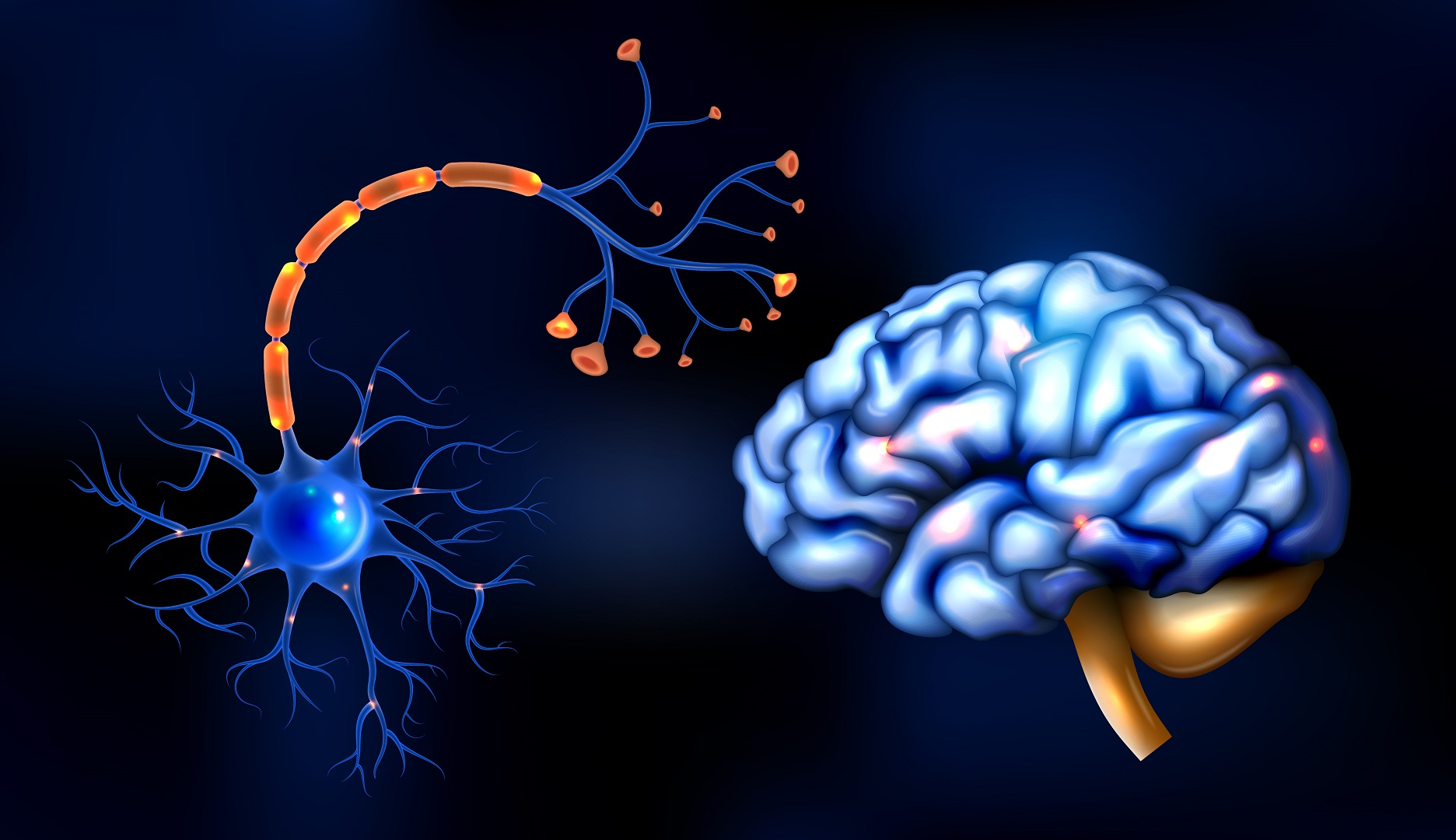
Neuro-oncology is a specifically deals with tumors of the nervous system.
Neuro-oncology involves the study, diagnosis, and treatment of brain tumors, which can be either primary (originating in the brain) or secondary (resulting from metastasis from other parts of the body).
Here are some types of neuro-oncology:
Here is a general overview of the procedure:
Clinical Evaluation:
a. Medical History and Physical Examination: A detailed medical history is obtained, and a neurologist or neuro-oncologist conducts a thorough physical examination to assess neurological function.
b. Neurological Imaging: Imaging studies such as magnetic resonance imaging (MRI) and computed tomography (CT) scans are essential for visualizing the tumor, determining its location, and evaluating its characteristics.
Biopsy:
a. Stereotactic Biopsy: In cases where the tumor is difficult to reach through traditional surgery, stereotactic techniques may be used to precisely target and obtain a sample for biopsy. This involves using imaging guidance to locate and biopsy the tumor.
b. Open Biopsy: In some cases, especially when the tumor is accessible through surgery, an open biopsy may be performed to remove a portion of or the entire tumor for examination.
Surgery:
Tumor Resection: Surgical removal of the tumor is often a primary treatment modality when feasible.
The goal is to remove as much of the tumor as possible while preserving neurological function. Radiation Therapy:
a. External Beam Radiation: High-energy beams are targeted at the tumor from outside the body to destroy cancer cells or prevent their growth.
b. Brachytherapy: Radioactive material is placed directly within or near the tumor to deliver radiation from inside the body.
Chemotherapy:
a. Systemic Chemotherapy: Medications are administered orally or intravenously to kill or inhibit the growth of cancer cells throughout the body.
b. Intrathecal Chemotherapy: Drugs are delivered directly into the cerebrospinal fluid through a lumbar puncture or Ommaya reservoir for tumors that involve the central nervous system.
Immunotherapy: Immune Checkpoint Inhibitors: These drugs help the immune system recognize and attack cancer cells.
Targeted Therapy: Molecularly Targeted Drugs: Medications designed to target specific molecules involved in the growth and survival of cancer cells.
Rehabilitation: Physical Therapy, Occupational Therapy, and Speech Therapy: These therapies may be essential for patients recovering from surgery or dealing with neurological deficits.
Supportive Care: Palliative Care: Focuses on improving the quality of life for patients, managing symptoms, and providing support for physical, emotional, and spiritual needs.
India has become a popular destination for Neuro-oncology due to its world-class medical facilities, experienced surgeons, and lower costs compared to other countries. Indian hospitals have state-of-the-art technology and equipment and offer excellent healthcare services at an affordable price. Patients from around the world can benefit from the cost-effective and high-quality healthcare services offered in India.
Gomedi9 is a medical tourism company that specializes in helping patients plan and organize their medical travel to India. They provide a range of services to make the process of medical tourism hassle-free and convenient for patients.
Gomedi9 can help patients to choose the right hospital, book accommodation, arrange transportation, provide interpreters, and ensure that the patient receives the best possible medical treatment at an affordable price. They have a team of experienced professionals who guide patients throughout the process of medical tourism, from the initial consultation to post-operative care.
