

Welcome guest
Monday to Friday8AM - 9PM
AddressABC A-504, Rajnigandha Apartment, VADODARA-390007, GUJARAT, India.
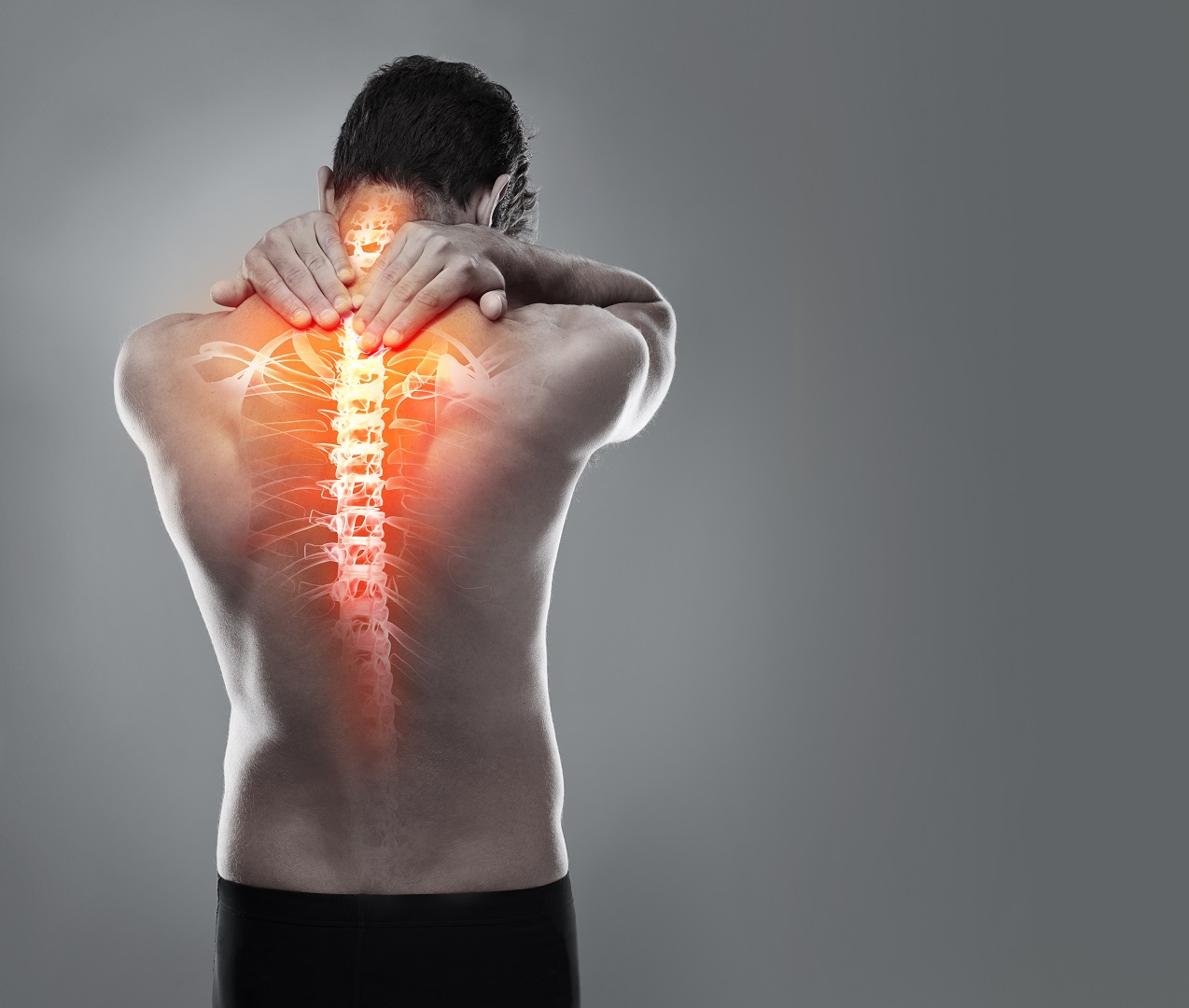
Spinal decompression therapy is a non-surgical treatment aimed at relieving symptoms related to various spinal conditions.
Spinal decompression therapy can be performed in various ways, including manual manipulation by a trained healthcare provider or through the use of motorized traction devices. The primary goal of spinal decompression is to reduce pressure on the spinal discs and promote the healing of affected structures.
There are two main types of spinal decompression therapy:

Here is the general steps for both types:
Non-Surgical Spinal Decompression:
a. Evaluation: A thorough evaluation of the patient's medical history, symptoms, and diagnostic imaging (such as X-rays or MRI scans) is conducted to determine the suitability for spinal decompression therapy.
b. Patient Preparation: The patient is positioned on a specialized table, which may be equipped with harnesses or other restraints to ensure stability during the procedure.
c. Application of Traction: Mechanical traction devices or manual techniques are used to apply controlled traction or stretching forces to the spine. This aims to create a negative pressure within the spinal discs, promoting the retraction of herniated or bulging discs.
d. Monitoring: Throughout the session, the healthcare provider monitors the patient's response to the treatment, adjusting the force and duration of traction as needed.
e. Session Duration: A typical session lasts around 30 minutes, and a complete course of treatment may involve multiple sessions over several weeks.
f. Post-Treatment Recommendations: After each session, patients may receive recommendations for post-treatment care, including exercises, lifestyle modifications, or additional therapies to complement the decompression.
Surgical Spinal Decompression:
a. Preoperative Evaluation: A thorough evaluation of the patient's medical history, symptoms, and diagnostic imaging is conducted to determine the need for surgical intervention.
b. Anesthesia: The patient is administered anesthesia to ensure they are comfortable and pain-free during the procedure.
c. Incision: A small incision is made over the affected area of the spine, providing access to the vertebral column.
d. Removal of Tissue: Depending on the specific procedure (e.g., discectomy or laminectomy), the surgeon removes a portion of the herniated disc, lamina, or other tissues causing compression on the spinal nerves.
e. Closure: The incision is closed using stitches or staples.
f. Postoperative Care: After surgery, the patient is closely monitored in a recovery area before being transferred to a regular hospital room. Postoperative care includes pain management, monitoring for complications, and initiating a rehabilitation plan.
India has become a popular destination for Spinal Decompression Therapy due to its world-class medical facilities, experienced surgeons, and lower costs compared to other countries. Indian hospitals have state-of-the-art technology and equipment and offer excellent healthcare services at an affordable price. Patients from around the world can benefit from the cost-effective and high-quality healthcare services offered in India.
Gomedi9 is a medical tourism company that specializes in helping patients plan and organize their medical travel to India. They provide a range of services to make the process of medical tourism hassle-free and convenient for patients.
Gomedi9 can help patients to choose the right hospital, book accommodation, arrange transportation, provide interpreters, and ensure that the patient receives the best possible medical treatment at an affordable price. They have a team of experienced professionals who guide patients throughout the process of medical tourism, from the initial consultation to post-operative care.
