

Welcome guest
Monday to Friday8AM - 9PM
AddressABC A-504, Rajnigandha Apartment, VADODARA-390007, GUJARAT, India.
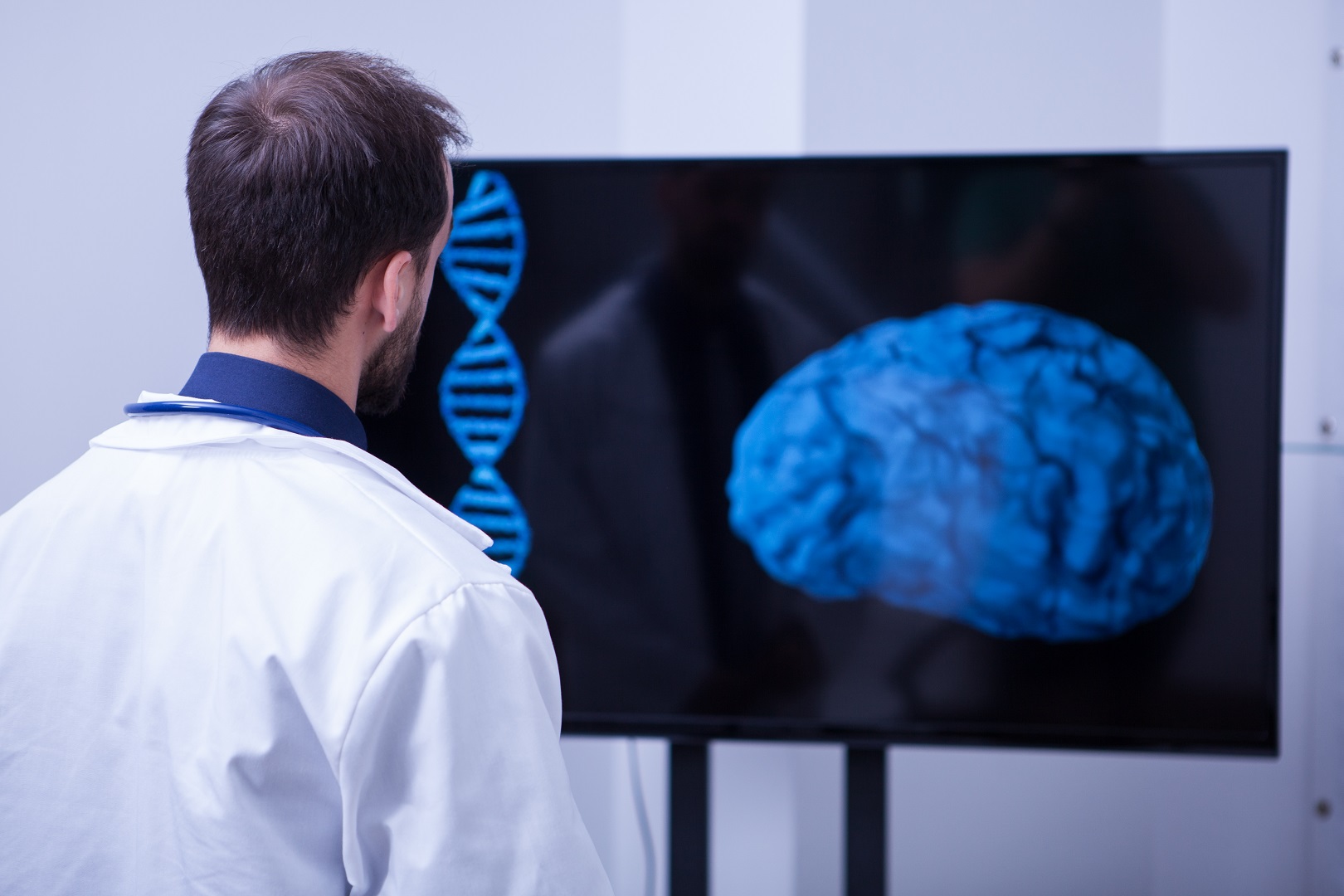
Neuro-endoscopy refers to the use of an endoscope to visualize and perform surgical procedures within the structures of the nervous system.
Neuro-endoscopy is minimally invasive technique which is employed in neurosurgery to access and treat various conditions affecting the brain and spinal cord. Neuro-endoscopy encompasses a variety of procedures used to visualize and treat neurological conditions.
Some common types of neuro-endoscopic procedures include:
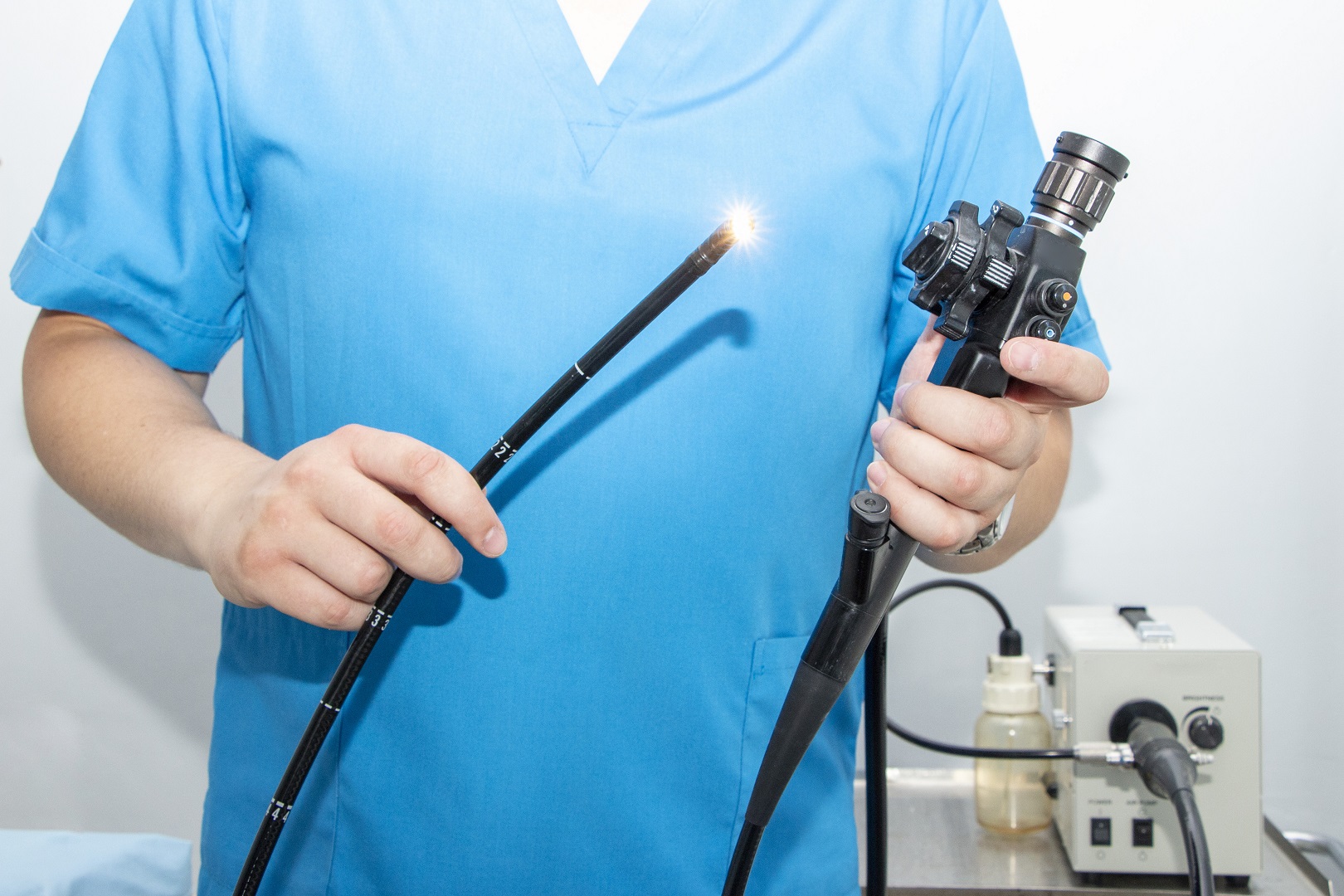
Following are the procedure steps:
Patient Preparation: The patient is positioned appropriately for the surgery, which may involve placing the patient on their back, side, or face down, depending on the procedure. Anesthesia is administered to ensure the patient is unconscious and pain-free during the surgery.
Incision or Entry Point: Depending on the specific procedure, a small incision may be made in the skin or a natural opening, such as the nose or mouth, may be used for access. In some cases, a burr hole may be drilled in the skull to allow passage for the endoscope.
Endoscope Insertion: The neurosurgeon inserts the endoscope through the incision or natural opening and advances it toward the target area within the brain or spinal cord.
The endoscope is equipped with a light source and a camera, allowing the surgeon to visualize the internal structures on a monitor. Visualization and Exploration: The surgeon carefully maneuvers the endoscope to explore and visualize the structures of interest. The high-resolution images from the endoscope guide the surgeon in navigating through the brain or spinal cord.
Treatment or Intervention: Depending on the purpose of the neuro-endoscopy, various interventions may take place, such as tumor resection, biopsy, cyst fenestration, or the creation of a new opening for cerebrospinal fluid drainage.
Closure: Once the necessary procedures are completed, the endoscope is removed. If an incision was made, it is closed with stitches or staples. In some cases, no external closure is needed for procedures performed through natural openings.
Recovery: The patient is moved to a recovery area where they are monitored as they wake up from anesthesia. The recovery time can vary depending on the specific procedure and the patient's overall health.
India has become a popular destination for Neuro-Endoscopy due to its world-class medical facilities, experienced surgeons, and lower costs compared to other countries. Indian hospitals have state-of-the-art technology and equipment and offer excellent healthcare services at an affordable price. Patients from around the world can benefit from the cost-effective and high-quality healthcare services offered in India.
Gomedi9 is a medical tourism company that specializes in helping patients plan and organize their medical travel to India. They provide a range of services to make the process of medical tourism hassle-free and convenient for patients.
Gomedi9 can help patients to choose the right hospital, book accommodation, arrange transportation, provide interpreters, and ensure that the patient receives the best possible medical treatment at an affordable price. They have a team of experienced professionals who guide patients throughout the process of medical tourism, from the initial consultation to post-operative care.
