

Welcome guest
Monday to Friday8AM - 9PM
AddressABC A-504, Rajnigandha Apartment, VADODARA-390007, GUJARAT, India.
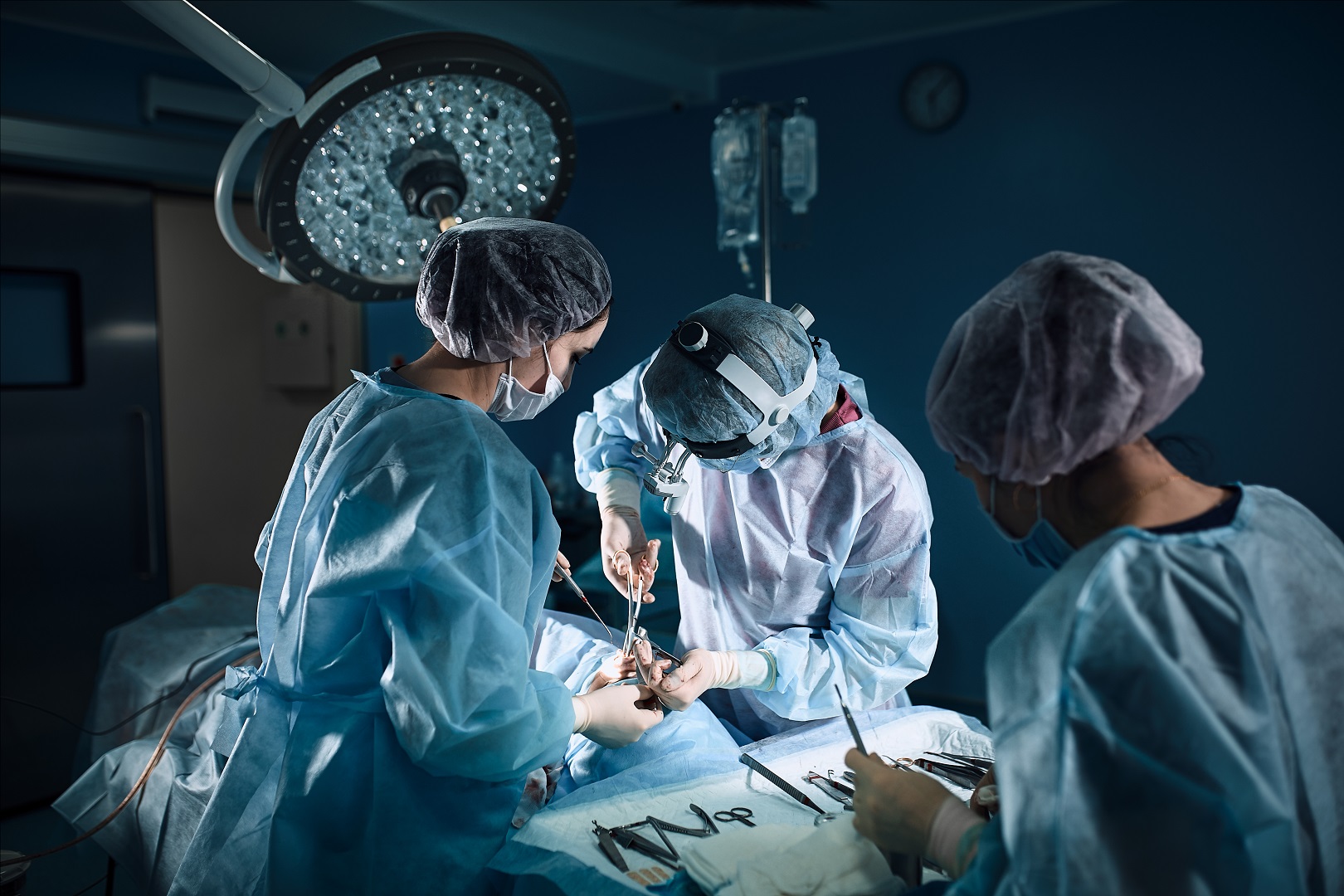
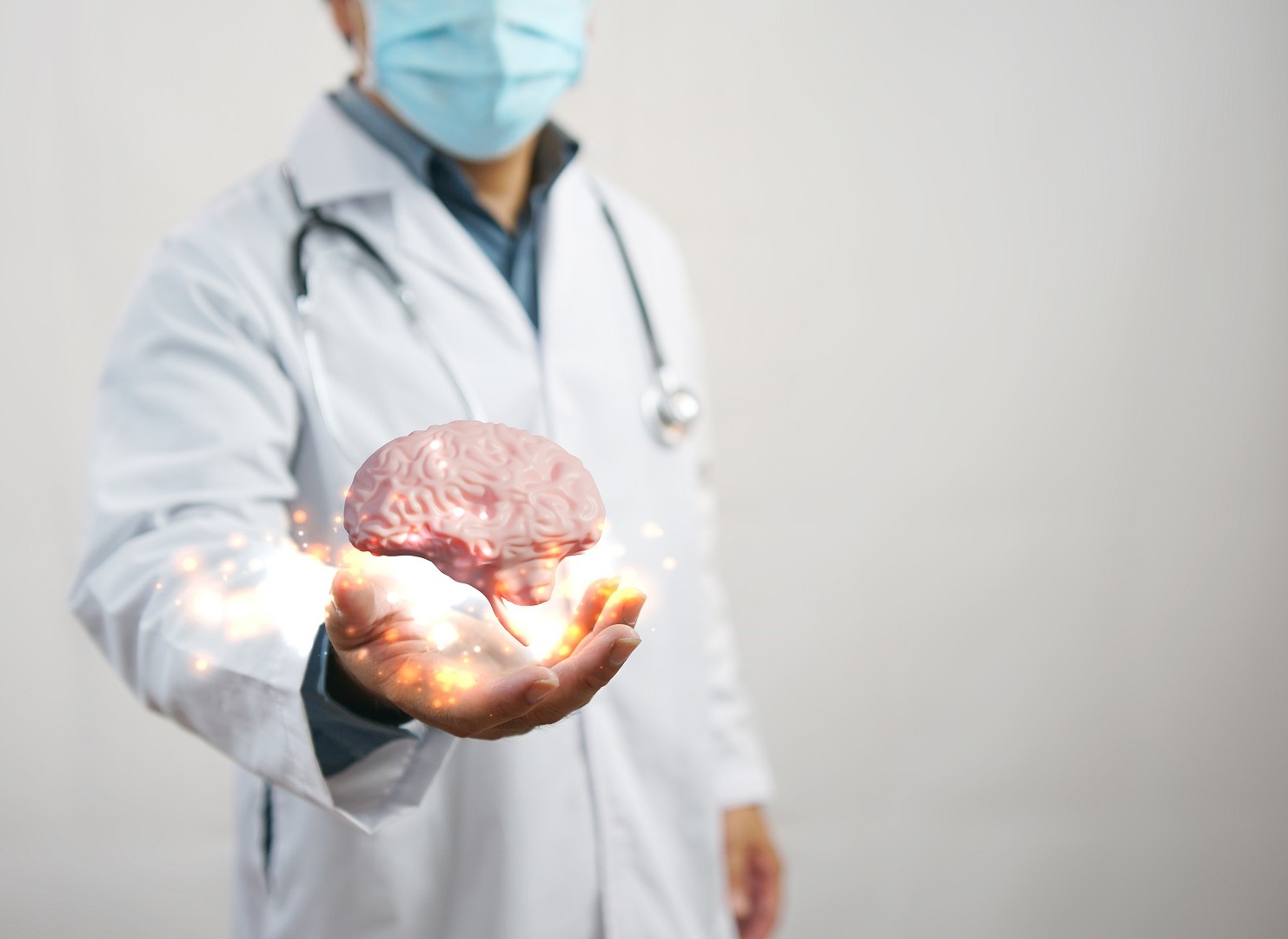
Brain surgery is a specialized field of surgery that focuses on the treatment of conditions affecting the brain, spinal cord, and peripheral nerves.
Brain surgery involves the surgical intervention and manipulation of neural tissue to diagnose, treat, or prevent various neurological disorders and injuries. There are various types of brain surgeries, each designed to address specific conditions or disorders affecting the brain.
Some common types of brain surgery include:
Following are the general procedure steps:
Preoperative Evaluation: The patient undergoes a thorough preoperative assessment, which may include imaging studies (such as CT scans or MRI) to precisely locate the tumor and plan the surgical approach. The patient's medical history, overall health, and any potential risks are carefully evaluated.
Preparation for Surgery: The patient is typically instructed to fast for a certain period before the surgery. Anesthesia is administered to induce unconsciousness and ensure the patient feels no pain during the procedure.
Positioning: The patient is positioned on the operating table, often in a way that facilitates access to the surgical site. In the case of a craniotomy, the head may be secured in a fixed position.
Incision: A skin incision is made, and the surgeon may use specialized tools to access the skull. The type and location of the incision depend on the tumor's location and the surgical approach chosen.
Craniotomy: A part of the skull (bone flap) is removed to expose the brain. The size and shape of the bone flap depend on the surgical requirements. If necessary, the dura mater (the protective covering of the brain) may be opened to access the brain tissue.
Tumor Resection or Treatment: The surgeon carefully navigates to the tumor site using surgical tools or image guidance. The tumor is then removed, either partially or completely, depending on the circumstances. In some cases, intraoperative imaging may be used to confirm the extent of tumor removal.
Closure: The bone flap is repositioned and secured using plates, screws, or other fixation devices. The dura mater is closed, and the overlying tissues are sutured or stapled. The skin incision is closed with stitches or staples.
Postoperative Care: The patient is transferred to a recovery area and monitored closely as they wake up from anesthesia. Postoperative imaging, such as a CT scan, may be performed to check for any immediate issues.
Recovery and Follow-up: The patient is closely monitored during the initial recovery period in the hospital. Follow-up appointments and imaging studies are scheduled to assess long-term recovery and monitor for any potential complications.
India has become a popular destination for Brain Surgery due to its world-class medical facilities, experienced surgeons, and lower costs compared to other countries. Indian hospitals have state-of-the-art technology and equipment and offer excellent healthcare services at an affordable price. Patients from around the world can benefit from the cost-effective and high-quality healthcare services offered in India.
Gomedi9 is a medical tourism company that specializes in helping patients plan and organize their medical travel to India. They provide a range of services to make the process of medical tourism hassle-free and convenient for patients.
Gomedi9 can help patients to choose the right hospital, book accommodation, arrange transportation, provide interpreters, and ensure that the patient receives the best possible medical treatment at an affordable price. They have a team of experienced professionals who guide patients throughout the process of medical tourism, from the initial consultation to post-operative care.
