

Welcome guest
Monday to Friday8AM - 9PM
AddressABC A-504, Rajnigandha Apartment, VADODARA-390007, GUJARAT, India.
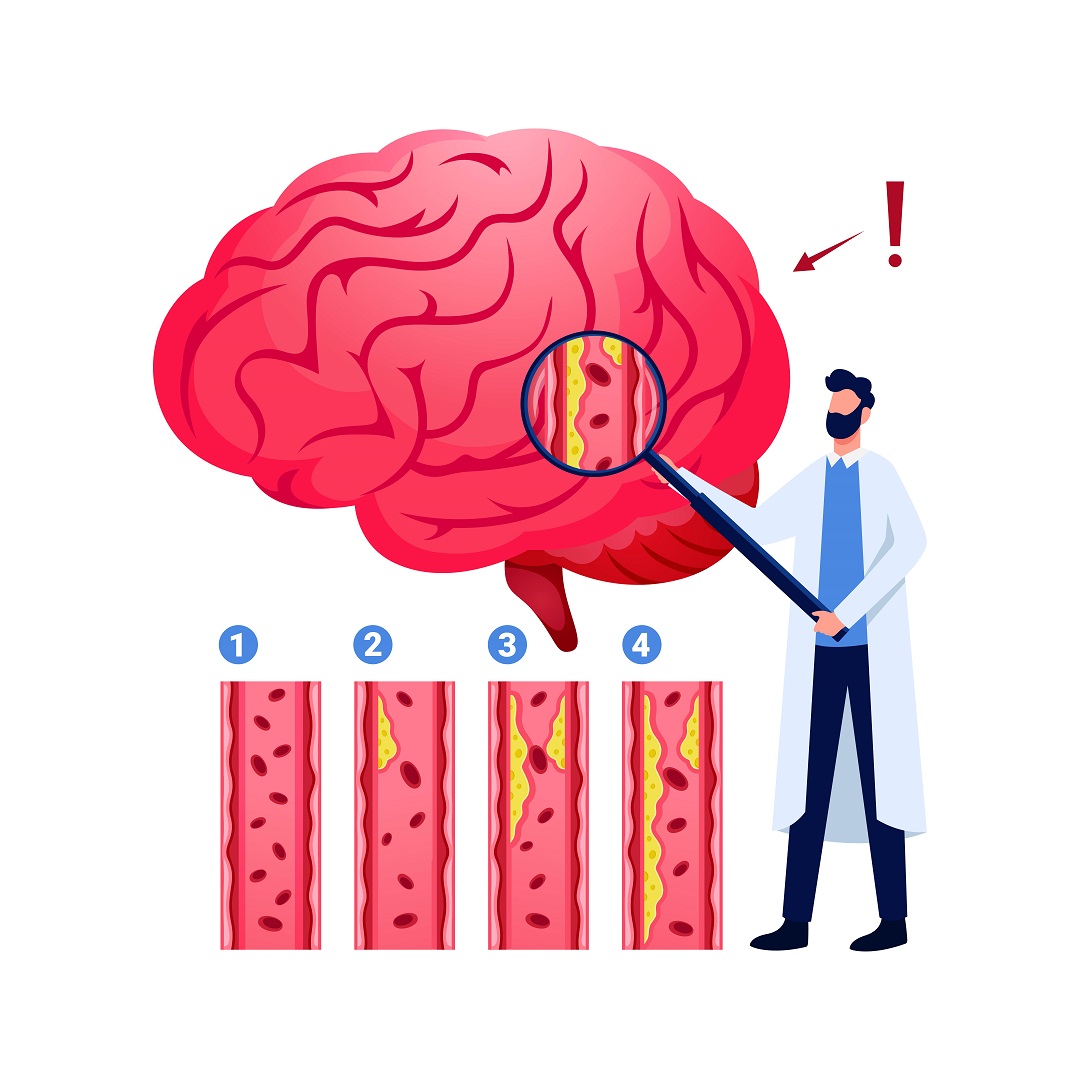
A brain aneurysm is a weakened or bulging area in the wall of an artery in the brain, resulting in an abnormal ballooning.
Brain aneurysm is concerning because the aneurysm can rupture, causing a potentially life-threatening bleeding into the space around the brain, known as a subarachnoid hemorrhage. Brain aneurysm surgery, also called aneurysm clipping or coil embolization, is a neurosurgical procedure performed to address brain aneurysms. There are primarily two main types of neurosurgical procedures used to address brain aneurysms: clipping and coil embolization. These procedures aim to prevent the rupture of an aneurysm and subsequent bleeding in the brain.
Here's a brief overview of each:
Here's a general overview of each procedure:
Clipping (Surgical Clipping): a. Preparation: The patient is prepared for surgery, which may include shaving the head and administering anesthesia to induce a state of unconsciousness during the procedure.
b. Incision: A small incision is made in the scalp, and a section of the skull is removed to access the brain. This step is called a craniotomy.
c. Locating the Aneurysm: Once the brain is exposed, the surgeon identifies the location of the aneurysm and carefully separates it from surrounding structures.
d. Placement of the Clip: A small metal clip, often made of titanium, is carefully placed around the neck of the aneurysm.
This clip prevents blood from entering the aneurysm, reducing the risk of rupture.
e. Closure: After securing the clip, the skull is closed, and the incision in the scalp is sutured. The patient is then moved to the recovery room.
Coil Embolization (Endovascular Coiling):
Preparation: Similar to clipping, the patient is prepared for surgery with anesthesia.
Catheter Insertion: Instead of a craniotomy, a catheter is inserted through a blood vessel, usually in the groin, and threaded through the vascular system to reach the site of the aneurysm in the brain.
Guidewire and Coils: A guidewire is advanced through the catheter to the aneurysm, and platinum coils are deployed into the aneurysm. These coils induce blood clotting and promote the formation of a stable barrier, preventing rupture.
Closure: Once the coils are in place, the catheter is removed, and the blood vessel is closed. The patient is then taken to the recovery room.
India has become a popular destination for Brain Aneurysm Surgery due to its world-class medical facilities, experienced surgeons, and lower costs compared to other countries. Indian hospitals have state-of-the-art technology and equipment and offer excellent healthcare services at an affordable price. Patients from around the world can benefit from the cost-effective and high-quality healthcare services offered in India.
Gomedi9 is a medical tourism company that specializes in helping patients plan and organize their medical travel to India. They provide a range of services to make the process of medical tourism hassle-free and convenient for patients.
Gomedi9 can help patients to choose the right hospital, book accommodation, arrange transportation, provide interpreters, and ensure that the patient receives the best possible medical treatment at an affordable price. They have a team of experienced professionals who guide patients throughout the process of medical tourism, from the initial consultation to post-operative care.
