

Welcome guest
Monday to Friday8AM - 9PM
AddressABC A-504, Rajnigandha Apartment, VADODARA-390007, GUJARAT, India.
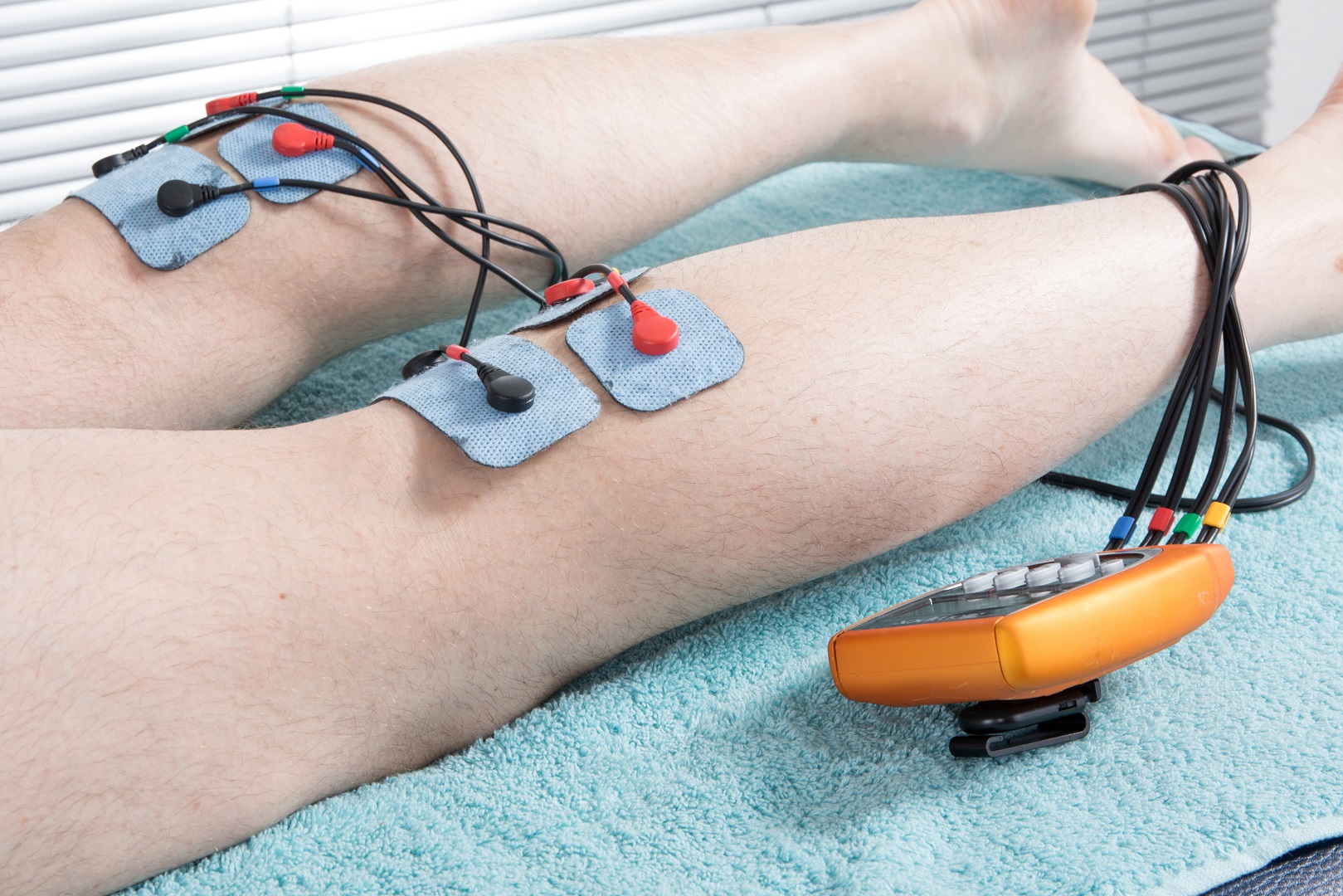
Vagus Nerve Stimulation (VNS) is a specific therapeutic approach used in neurology.
The vagus nerve is a cranial nerve that plays a crucial role in the parasympathetic nervous system, which is responsible for the "rest and digest" response. Vagus nerve stimulation involves the use of a small device, typically implanted under the skin in the chest, that delivers electrical impulses to the vagus nerve. Vagus Nerve Stimulation (VNS) is primarily used as a treatment for certain types of epilepsy that are resistant to medications.
The approved and established types of Vagus Nerve Stimulation include:
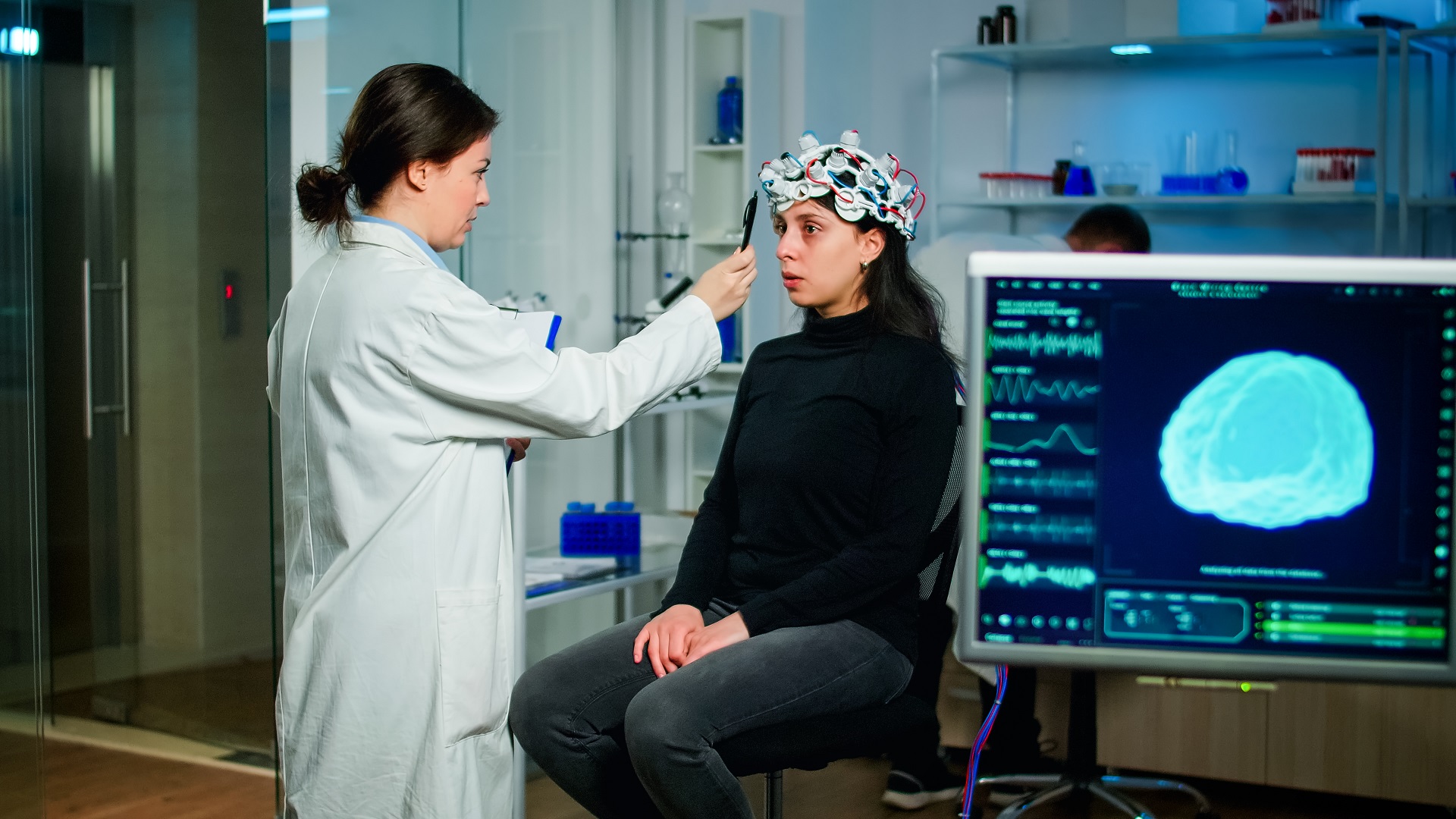
Here is a general overview of the process:
Patient Evaluation: A comprehensive evaluation of the patient's medical history, seizure history, and previous treatments is conducted to determine if VNS is a suitable option. Diagnostic tests such as electroencephalogram (EEG), magnetic resonance imaging (MRI), and video monitoring may be performed to gather information about the patient's seizures.
Selection Criteria: VNS is usually considered for individuals with epilepsy who have not responded well to medications and are not suitable candidates for surgical resection of the seizure focus.
Pre-Implantation Assessment: A thorough assessment of the patient's overall health, including any contraindications or factors that may affect the surgery, is conducted.
Implantation Surgery: The actual implantation of the VNS device is a surgical procedure. It is often done under general anesthesia.
A small incision is made in the left upper chest area, and the VNS device is implanted under the skin. The device is typically about the size of a small stopwatch. A second incision is made in the neck to access the left vagus nerve. The electrode leads are wrapped around the vagus nerve and connected to the device.
Programming the Device: The VNS device is programmed by a healthcare professional, usually a neurologist or nurse, after a recovery period following the surgery. The programming involves setting the stimulation parameters, such as the frequency, intensity, and duration of the electrical impulses.
Follow-Up and Adjustment: Regular follow-up appointments are scheduled to monitor the patient's progress and make any necessary adjustments to the VNS settings. The stimulation parameters can be modified to optimize seizure control and minimize side effects.
Patient Education: Patients are educated on how to use any external components of the VNS system, such as a magnet that can be swiped over the device to temporarily adjust or interrupt stimulation in certain situations.
India has become a popular destination for Neurology Vagus Nerve Stimulation due to its world-class medical facilities, experienced surgeons, and lower costs compared to other countries. Indian hospitals have state-of-the-art technology and equipment and offer excellent healthcare services at an affordable price. Patients from around the world can benefit from the cost-effective and high-quality healthcare services offered in India.
Gomedi9 is a medical tourism company that specializes in helping patients plan and organize their medical travel to India. They provide a range of services to make the process of medical tourism hassle-free and convenient for patients.
Gomedi9 can help patients to choose the right hospital, book accommodation, arrange transportation, provide interpreters, and ensure that the patient receives the best possible medical treatment at an affordable price. They have a team of experienced professionals who guide patients throughout the process of medical tourism, from the initial consultation to post-operative care.
