

Welcome guest
Monday to Friday8AM - 9PM
AddressABC A-504, Rajnigandha Apartment, VADODARA-390007, GUJARAT, India.
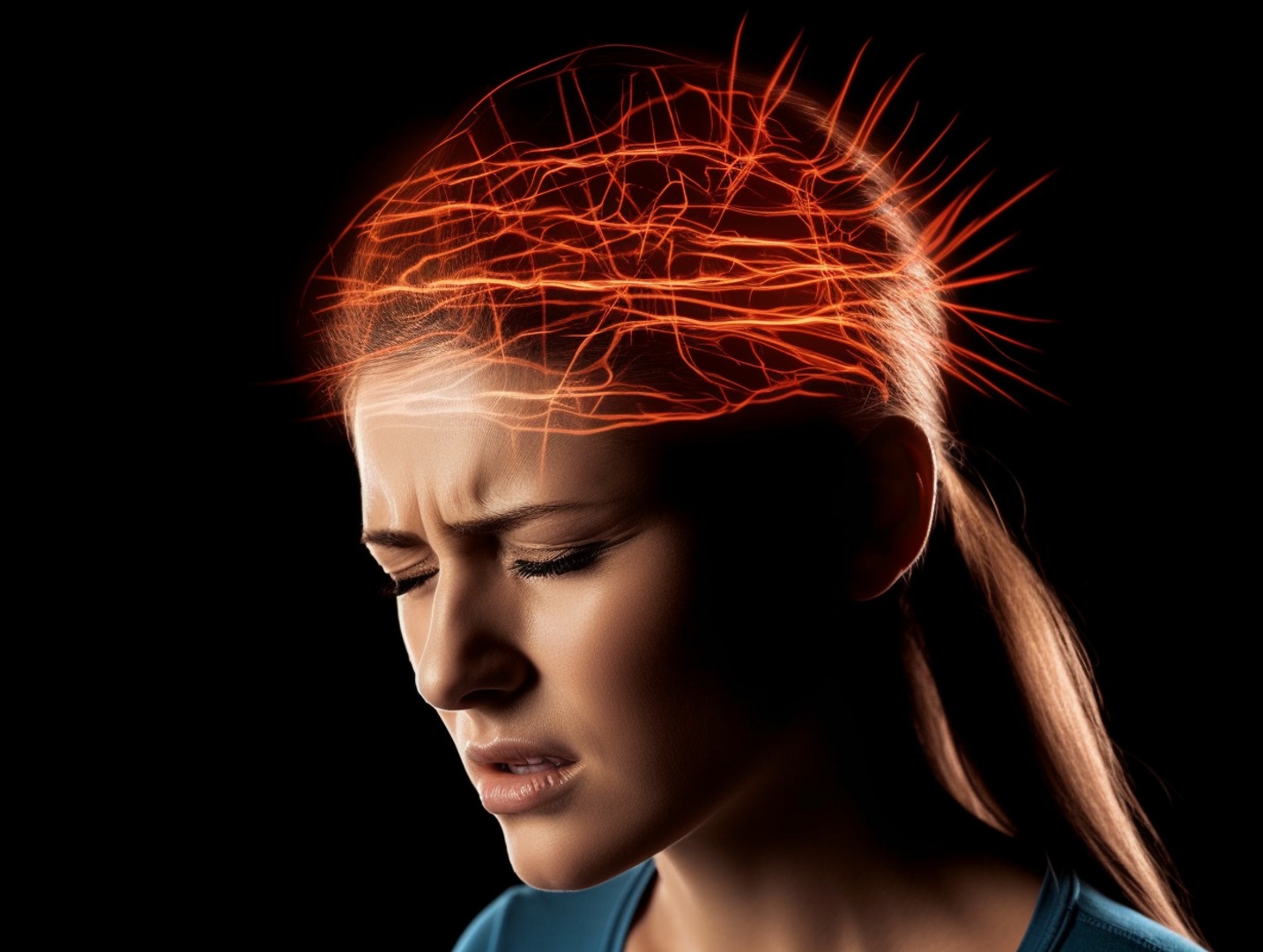
Headache and facial pain are common symptoms that can be associated with various neurological conditions.
Headaches and facial pain can be categorized into various types based on their causes, characteristics, and associated symptoms.
Here are some common types within the realm of neurology:
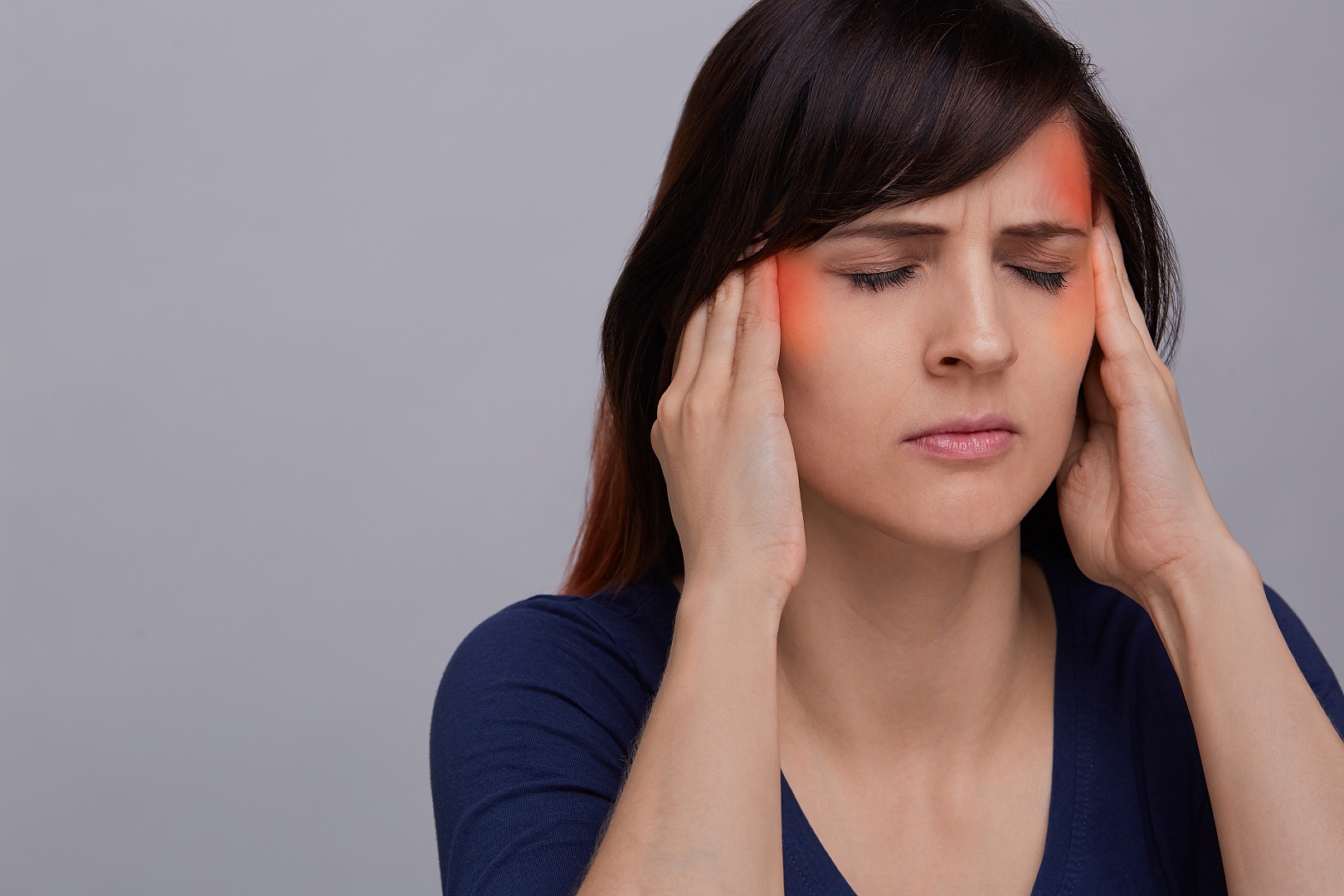
Following are the procedure steps:
Medical History: The healthcare provider will take a detailed medical history, including the onset, duration, and characteristics of the headaches or facial pain. Information about any triggering factors, associated symptoms, family history, and past medical conditions will be collected.
Physical Examination: A thorough physical examination, including a neurological examination, will be conducted to assess reflexes, coordination, sensory function, and motor function. For facial pain, a focused examination of the face, jaw, and neck may be performed to identify any specific areas of tenderness or abnormalities.
Diagnostic Testing: Depending on the clinical presentation, diagnostic tests may be ordered. This could include imaging studies such as MRI or CT scans to visualize the brain and surrounding structures. Blood tests may be conducted to rule out systemic causes of headaches.
Specialized Tests: Neurologists may order specialized tests if certain neurological conditions are suspected. For example, nerve conduction studies or electromyography for evaluating nerve function.
Pain Diary: Patients may be asked to maintain a headache or pain diary, noting the frequency, intensity, duration, and potential triggers of headaches or facial pain. This information can help in the diagnosis and treatment planning.
Discussion of Lifestyle Factors: Lifestyle factors such as sleep patterns, stress levels, dietary habits, and exercise may be discussed as they can contribute to headaches and facial pain.
Diagnosis: Based on the gathered information, the healthcare provider will formulate a diagnosis. Neurological causes such as migraines, tension headaches, trigeminal neuralgia, or other disorders may be identified.
Treatment Plan: A treatment plan will be developed based on the specific diagnosis. This may include medications, lifestyle modifications, physical therapy, or other interventions. Acute treatments for pain relief and preventive measures to reduce the frequency and severity of future episodes may be prescribed.
Follow-Up: Patients will be scheduled for follow-up appointments to assess the response to treatment, make any necessary adjustments, and address any new concerns.
Multidisciplinary Approach: In some cases, a multidisciplinary approach may be recommended, involving collaboration with other healthcare professionals such as pain specialists, physical therapists, or psychologists.
India has become a popular destination for Neurology Headache & Facial Pain due to its world-class medical facilities, experienced surgeons, and lower costs compared to other countries. Indian hospitals have state-of-the-art technology and equipment and offer excellent healthcare services at an affordable price. Patients from around the world can benefit from the cost-effective and high-quality healthcare services offered in India.
Gomedi9 is a medical tourism company that specializes in helping patients plan and organize their medical travel to India. They provide a range of services to make the process of medical tourism hassle-free and convenient for patients.
Gomedi9 can help patients to choose the right hospital, book accommodation, arrange transportation, provide interpreters, and ensure that the patient receives the best possible medical treatment at an affordable price. They have a team of experienced professionals who guide patients throughout the process of medical tourism, from the initial consultation to post-operative care.
