

Welcome guest
Monday to Friday8AM - 9PM
AddressABC A-504, Rajnigandha Apartment, VADODARA-390007, GUJARAT, India.
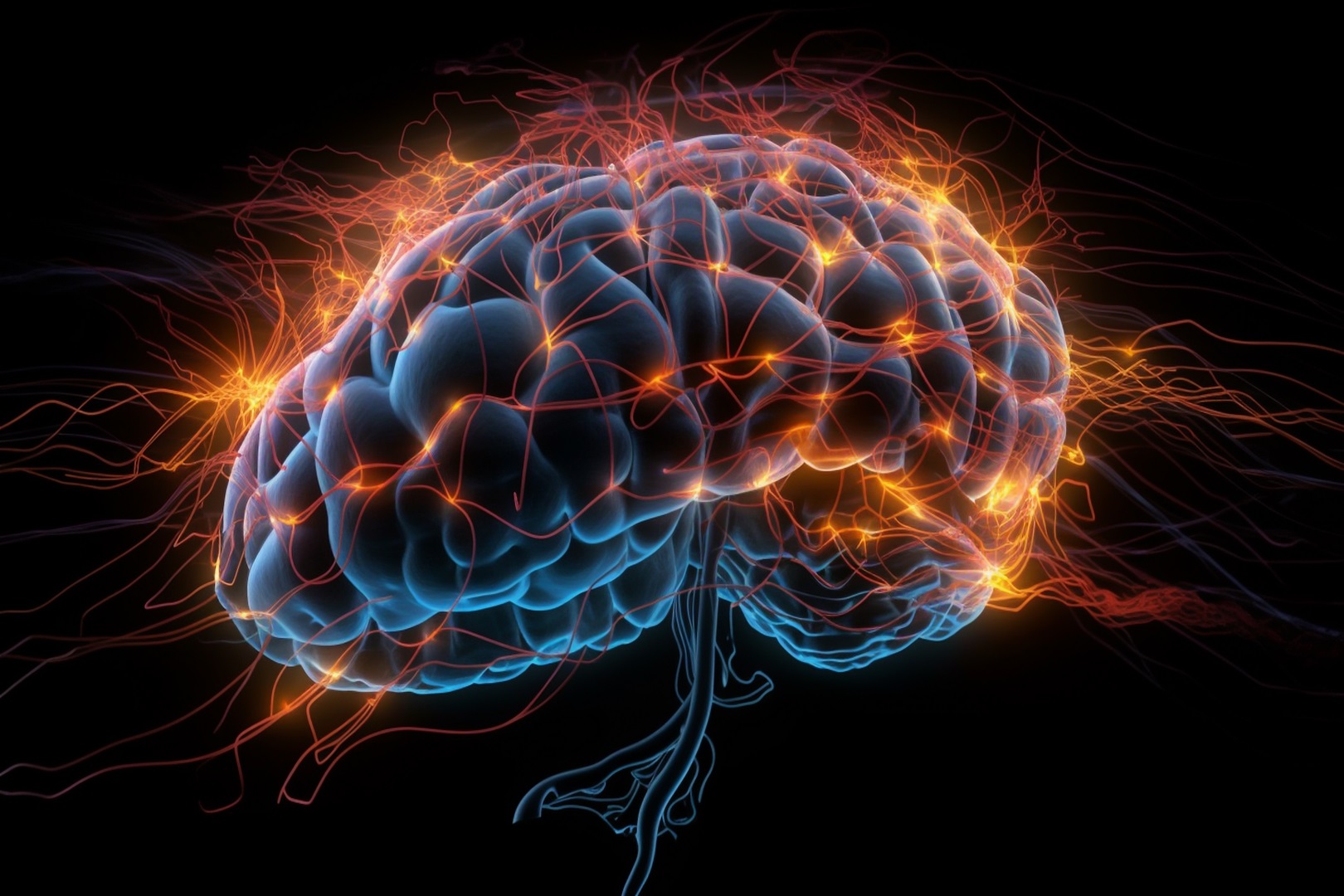
Epilepsy is a neurological disorder characterized by recurrent, unprovoked seizures.
Epilepsy can have various causes, including genetic factors, brain injuries, infections, or abnormalities in brain structure and function. The severity and frequency of seizures can also vary from person to person.
Here are some common types of epilepsy:
Here is a general overview of the procedure for epilepsy:
Medical Evaluation and Diagnosis: If someone experiences a seizure, they should seek medical attention. A thorough medical history, including information about the seizures and any potential triggers, is taken. Various diagnostic tests, such as EEG (electroencephalogram), MRI (magnetic resonance imaging), and blood tests, may be conducted to help diagnose epilepsy and determine the type of seizures.
Epilepsy Classification: Once diagnosed, healthcare professionals classify the type of epilepsy and the specific features of seizures experienced by the individual. This classification guides treatment decisions.
Treatment Planning: Based on the diagnosis, a treatment plan is developed. The goal is to control seizures while minimizing side effects and improving the individual's quality of life. Antiepileptic medications are often the first line of treatment. The choice of medication depends on the type of epilepsy and the individual's overall health. In some cases, lifestyle modifications, such as getting enough sleep, managing stress, and avoiding potential triggers, may be recommended.
Medication Management: Regular monitoring is essential to assess the effectiveness of the prescribed medication. Dosages may need to be adjusted, and healthcare providers may need to try different medications or combinations to achieve optimal seizure control.
Seizure Response Plan: Individuals with epilepsy and their caregivers develop a seizure response plan, including what to do during a seizure and when to seek emergency medical attention.
Regular Follow-Up: Regular follow-up appointments with healthcare providers are important to monitor the individual's overall health, adjust medications as needed, and address any concerns.
Lifestyle Management: Adopting a healthy lifestyle, including regular sleep patterns, stress management, and a balanced diet, can contribute to overall well-being and may help in managing epilepsy.
Surgical Options (if applicable): In some cases, when medications are not effective, surgery may be considered. This could involve removing or disconnecting the part of the brain where seizures originate.
Psychosocial Support: Living with epilepsy can have psychosocial implications. Support groups, counseling, and education can help individuals and their families cope with the challenges associated with epilepsy.
Emergency Preparedness: Individuals with epilepsy and their caregivers should be educated on how to respond during a seizure and when to seek emergency medical assistance.
India has become a popular destination for Epilepsy due to its world-class medical facilities, experienced surgeons, and lower costs compared to other countries. Indian hospitals have state-of-the-art technology and equipment and offer excellent healthcare services at an affordable price. Patients from around the world can benefit from the cost-effective and high-quality healthcare services offered in India.
Gomedi9 is a medical tourism company that specializes in helping patients plan and organize their medical travel to India. They provide a range of services to make the process of medical tourism hassle-free and convenient for patients.
Gomedi9 can help patients to choose the right hospital, book accommodation, arrange transportation, provide interpreters, and ensure that the patient receives the best possible medical treatment at an affordable price. They have a team of experienced professionals who guide patients throughout the process of medical tourism, from the initial consultation to post-operative care.
