

Welcome guest
Monday to Friday8AM - 9PM
AddressABC A-504, Rajnigandha Apartment, VADODARA-390007, GUJARAT, India.
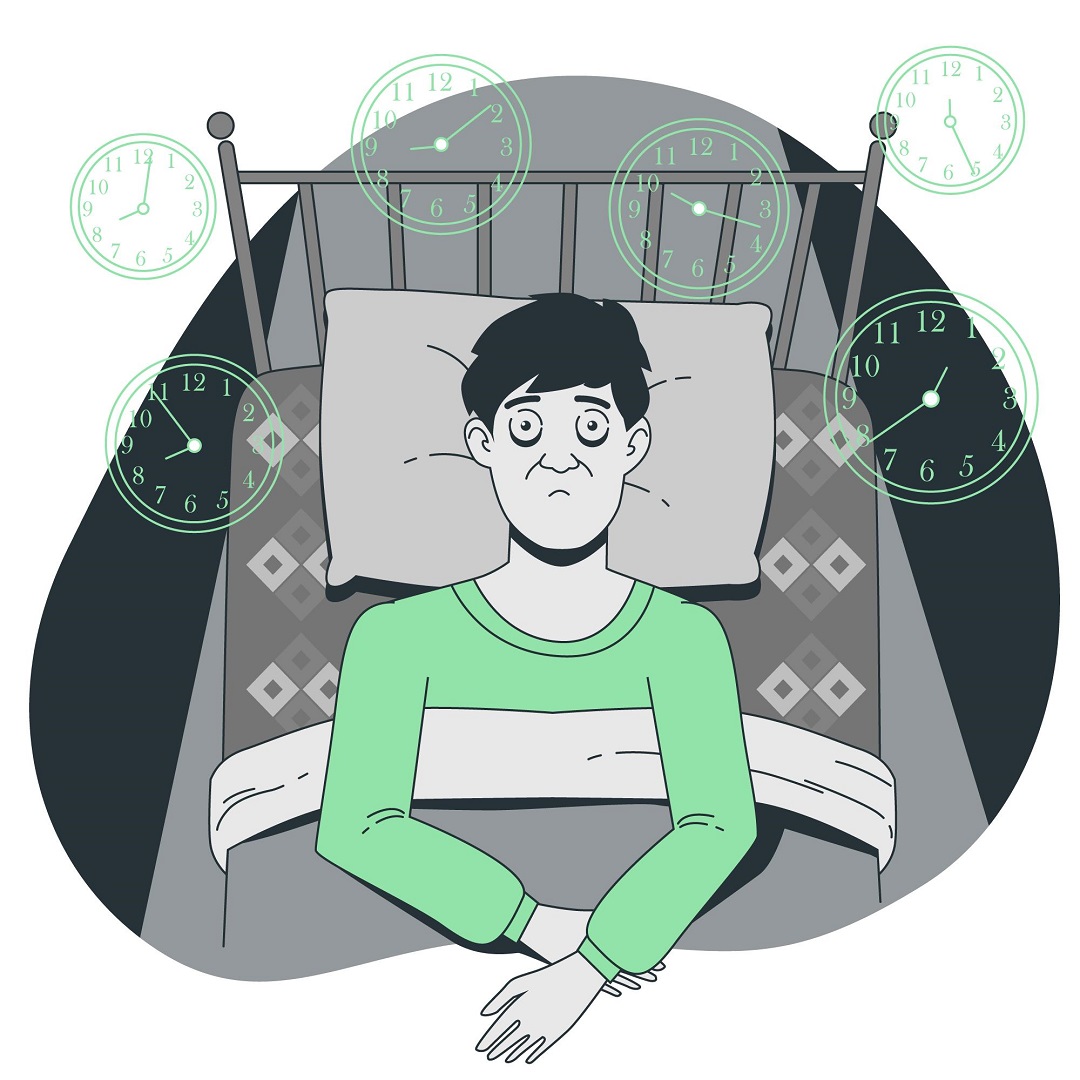
Sleep disorders refer to conditions that affect the quality, timing, and duration of sleep.
Neurology sleep disorders, therefore, specifically pertain to sleep-related issues that have an underlying neurological cause or are closely linked to the functioning of the nervous system. Neurology sleep disorders encompass a variety of conditions that involve disruptions in the normal sleep patterns and are often linked to neurological factors.
Here are some types of neurology sleep disorders:
Following are the procedure steps:
Patient History: A comprehensive medical history is taken to understand the patient's sleep patterns, daily routines, lifestyle, and any symptoms related to sleep disorders. Specific questions may address the onset and duration of sleep problems, daytime sleepiness, snoring, restless legs, and other relevant symptoms.
Physical Examination: A thorough physical examination, with a focus on neurological and sleep-related signs, may be conducted. This may include an assessment of muscle tone, reflexes, and signs of neurological disorders.
Sleep Diary: Patients may be asked to maintain a sleep diary for a certain period, noting their sleep-wake patterns, activities before bedtime, and any factors that may affect sleep.
Specialized Questionnaires: Patients might be asked to complete specific questionnaires designed to assess the severity and impact of sleep disorders, such as the Epworth Sleepiness Scale or the Pittsburgh Sleep Quality Index.
Polysomnography: PSG is a comprehensive sleep study that monitors various physiological parameters during sleep, including brain activity, eye movements, muscle activity, heart rate, and respiratory function. PSG is commonly used to diagnose conditions like sleep apnea, narcolepsy, and REM sleep behavior disorder.
Home Sleep Apnea Testing: In some cases, especially for suspected obstructive sleep apnea, patients may be provided with portable monitoring devices to use at home. These devices focus on key indicators such as airflow, oxygen levels, and breathing effort.
Actigraphy: Actigraphy involves wearing a wristwatch-like device to monitor and record movement patterns over an extended period. This can help assess sleep-wake cycles and circadian rhythms.
Multiple Sleep Latency Test and Maintenance of Wakefulness Test: These tests are often used in the diagnosis of narcolepsy and excessive daytime sleepiness. MSLT measures how quickly a person falls asleep during the day, while MWT assesses the ability to stay awake during specific daytime situations.
Neurological Imaging: Depending on the symptoms and findings, neuroimaging studies such as magnetic resonance imaging or computed tomography scans may be ordered to assess the structure of the brain and rule out structural abnormalities.
Treatment and Management: Treatment approaches vary depending on the specific sleep disorder diagnosed. They may include lifestyle modifications, behavioral therapies, medication, continuous positive airway pressure therapy for sleep apnea, or other targeted interventions.
India has become a popular destination for Neurology Sleep Disorders due to its world-class medical facilities, experienced surgeons, and lower costs compared to other countries. Indian hospitals have state-of-the-art technology and equipment and offer excellent healthcare services at an affordable price. Patients from around the world can benefit from the cost-effective and high-quality healthcare services offered in India.
Gomedi9 is a medical tourism company that specializes in helping patients plan and organize their medical travel to India. They provide a range of services to make the process of medical tourism hassle-free and convenient for patients.
Gomedi9 can help patients to choose the right hospital, book accommodation, arrange transportation, provide interpreters, and ensure that the patient receives the best possible medical treatment at an affordable price. They have a team of experienced professionals who guide patients throughout the process of medical tourism, from the initial consultation to post-operative care.
