

Welcome guest
Monday to Friday8AM - 9PM
AddressABC A-504, Rajnigandha Apartment, VADODARA-390007, GUJARAT, India.
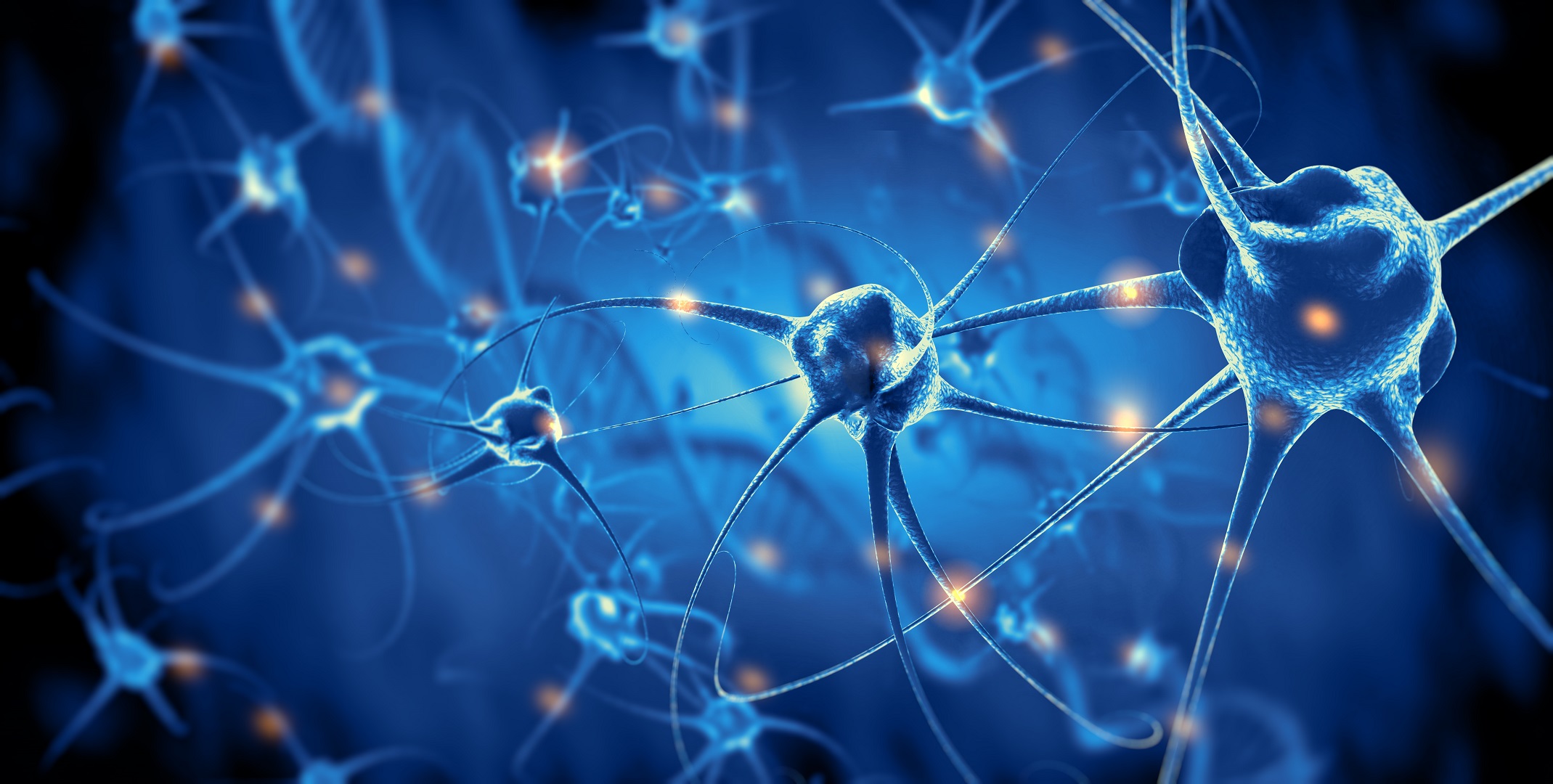
Neurology is a branch of medicine that focuses on the study and treatment of disorders of the nervous system.
Neurology encompasses various subspecialties, each focusing on specific aspects of the nervous system or certain types of neurological disorders.
Some of the major types of neurology include:
Here are some common procedures associated with neurology:
Neurological Examination: A comprehensive neurological examination is often the first step in assessing a patient. This involves evaluating the patient's mental status, cranial nerves, motor and sensory functions, reflexes, coordination, and gait.
Imaging Studies:
a. MRI (Magnetic Resonance Imaging): Provides detailed images of the brain and spinal cord.
b. CT (Computed Tomography) Scan: Often used to quickly assess for bleeding or structural abnormalities in the brain.
c. PET (Positron Emission Tomography) Scan: Measures brain activity and is used in certain neurological conditions.
d. Cerebral Angiography: Involves injecting contrast dye into blood vessels to visualize the blood flow in the brain.
Electrodiagnostic Tests:
a. Electroencephalogram (EEG): Measures electrical activity in the brain and is often used in the diagnosis of epilepsy.
b. Electromyography (EMG): Measures electrical activity in muscles and can help diagnose neuromuscular disorders.
c. Nerve Conduction Studies (NCS): Measures the speed of nerve signals to diagnose peripheral nerve disorders.
Lumbar Puncture (Spinal Tap): Involves removing a small amount of cerebrospinal fluid from the space around the spinal cord for diagnostic purposes. This is often done to investigate conditions such as meningitis, encephalitis, or multiple sclerosis.
Evoked Potentials: Measures the electrical activity in the brain in response to stimuli and is used to assess the function of specific sensory pathways.
Neurological Interventional Procedures:
a. Cerebral Angioplasty and Stenting: Used to treat certain vascular conditions affecting the brain.
b. Neurointerventional Radiology Procedures: Minimally invasive procedures to treat conditions such as aneurysms or arteriovenous malformations (AVMs).
Neuropsychological Testing: Involves a battery of tests to assess cognitive function, memory, and other aspects of mental processing. It is often used to evaluate conditions such as dementia or traumatic brain injury.
Botulinum Toxin Injections: Used in conditions such as dystonia or chronic migraines to temporarily paralyze muscles and relieve symptoms.
Deep Brain Stimulation (DBS): Involves implanting electrodes into the brain and a pulse generator in the chest to treat certain movement disorders like Parkinson's disease.
Botox Injections: Sometimes used for the treatment of chronic migraines or certain movement disorders.
India has become a popular destination for Neurology due to its world-class medical facilities, experienced surgeons, and lower costs compared to other countries. Indian hospitals have state-of-the-art technology and equipment and offer excellent healthcare services at an affordable price. Patients from around the world can benefit from the cost-effective and high-quality healthcare services offered in India.
Gomedi9 is a medical tourism company that specializes in helping patients plan and organize their medical travel to India. They provide a range of services to make the process of medical tourism hassle-free and convenient for patients.
Gomedi9 can help patients to choose the right hospital, book accommodation, arrange transportation, provide interpreters, and ensure that the patient receives the best possible medical treatment at an affordable price. They have a team of experienced professionals who guide patients throughout the process of medical tourism, from the initial consultation to post-operative care.
