

Welcome guest
Monday to Friday8AM - 9PM
AddressABC A-504, Rajnigandha Apartment, VADODARA-390007, GUJARAT, India.
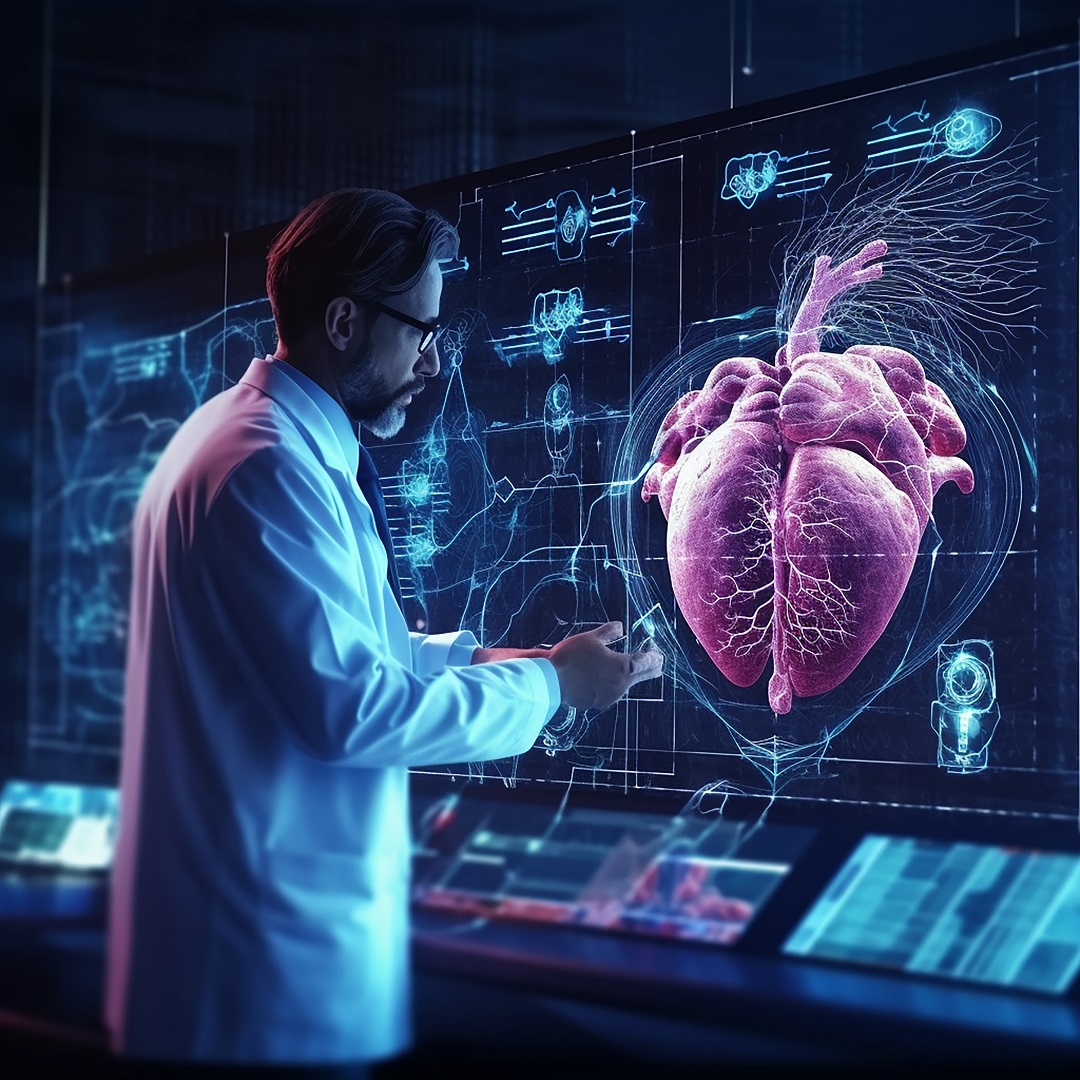
Cardiac nuclear cardiology is a medical imaging technique that uses small amounts of radioactive material, along with specialized imaging equipment, to diagnose and assess various heart conditions.
Cardiac nuclear cardiology encompasses various imaging techniques and tests that use radioactive materials to assess different aspects of heart function and blood flow.
Here are some of the main types of cardiac nuclear cardiology tests:
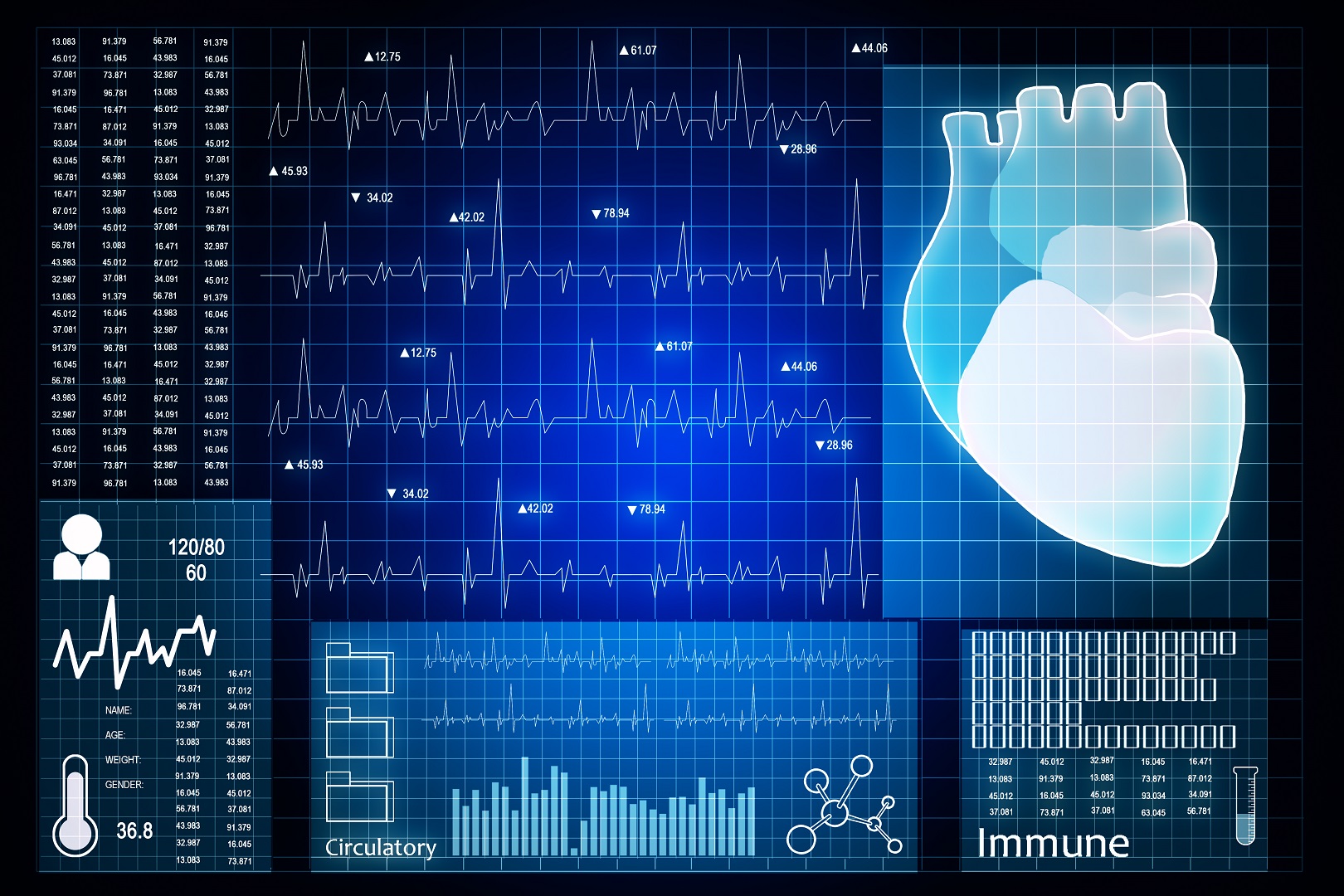
Here is a general overview of the procedure for cardiac nuclear cardiology:
Patient Preparation: Before the procedure, the patient is asked to fast for a certain period to ensure accurate imaging results and/or to discontinue certain medications temporarily after discussed with a healthcare provider. Patients should inform their healthcare providers if they are pregnant/ breastfeeding, as the use of radioactive materials can pose risks to a developing fetus or infant.
Radiopharmaceutical Injection: A small amount of a radiopharmaceutical is injected into the patient's bloodstream, usually through an intravenous line.
Rest Imaging: After the radiopharmaceutical injection, the patient is positioned on a table under a specialized gamma camera and images of the heart are acquired. These images help assess the heart's baseline function and blood flow at rest.
Stress Testing: In cases where a stress test is part of the procedure, the patient may undergo physical exercise, such as walking on a treadmill or cycling on a stationary bike, to increase the heart rate.
Alternatively, pharmacological agents may be administered to simulate the effects of exercise and images of the heart are acquired during or immediately after the stress-inducing activity.
Image Acquisition: The gamma camera rotates around the patient to capture images of the heart from various angles. The camera detects the gamma radiation emitted by the radiopharmaceutical as it accumulates in the heart tissue. The images are acquired at different time points to track the distribution of the radiopharmaceutical in the heart over time.
Data Analysis: The acquired images are processed and analyzed by a nuclear medicine technologist or radiologist. Software is used to create detailed images of the heart, allowing the healthcare provider to assess blood flow, identify areas of reduced perfusion, and evaluate the heart's function.
Interpretation: A cardiologist or nuclear medicine specialist interprets the images and generates a report. The report provides information about the heart's condition, including the presence of coronary artery disease, myocardial infarction, and overall cardiac function.
Follow-up: Based on the results of the cardiac nuclear cardiology test, the healthcare provider can determine the appropriate course of action, such as further diagnostic tests, medical treatment, or consideration of surgical intervention.
Cardiac nuclear cardiology is a diagnostic imaging technique that uses radioactive materials and specialized imaging equipment to assess the function and blood flow of the heart.
However, cardiac nuclear cardiology is often used in conjunction with surgical procedures when heart disease or other cardiac issues require intervention.
India has become a popular destination for Cardiac Nuclear Cardiology due to its world-class medical facilities, experienced surgeons, and lower costs compared to other countries. Indian hospitals have state-of-the-art technology and equipment and offer excellent healthcare services at an affordable price. Patients from around the world can benefit from the cost-effective and high-quality healthcare services offered in India.
Gomedi9 is a medical tourism company that specializes in helping patients plan and organize their medical travel to India. They provide a range of services to make the process of medical tourism hassle-free and convenient for patients.
Gomedi9 can help patients to choose the right hospital, book accommodation, arrange transportation, provide interpreters, and ensure that the patient receives the best possible medical treatment at an affordable price. They have a team of experienced professionals who guide patients throughout the process of medical tourism, from the initial consultation to post-operative care.
