

Welcome guest
Monday to Friday8AM - 9PM
AddressABC A-504, Rajnigandha Apartment, VADODARA-390007, GUJARAT, India.
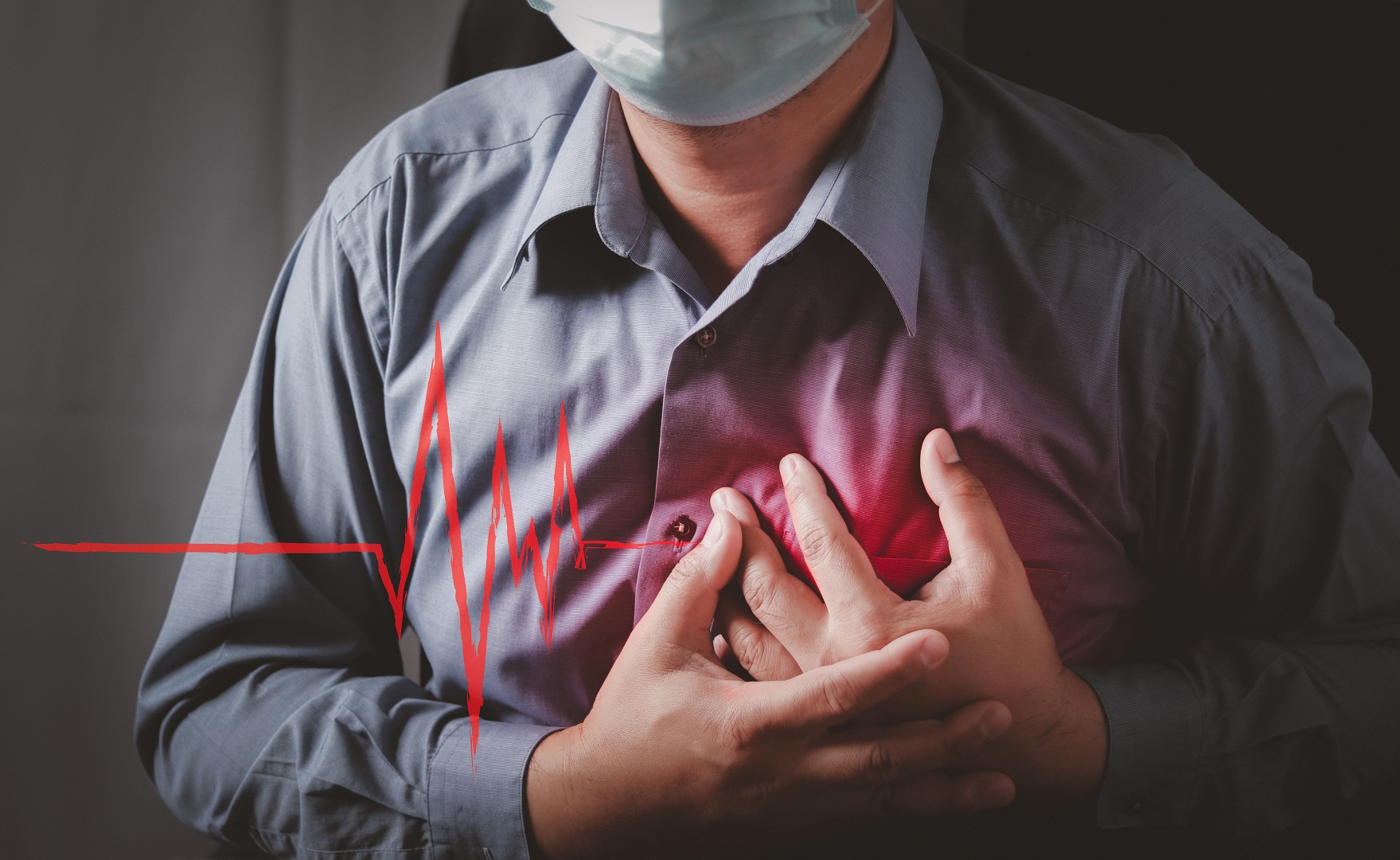
Cardiac EECP is a medical procedure used to improve blood flow to the heart.
Cardiac EECP is a medical procedure used to improve blood flow to the heart and relieve symptoms in individuals with certain cardiac conditions, such as angina or heart failure. Enhanced External Counter Pulsation (EECP) is primarily a standardized procedure with a consistent approach. However, variations in equipment and protocols may exist depending on the specific manufacturer or medical facility.
Here are some types or variations of EECP based on different aspects of the treatment:
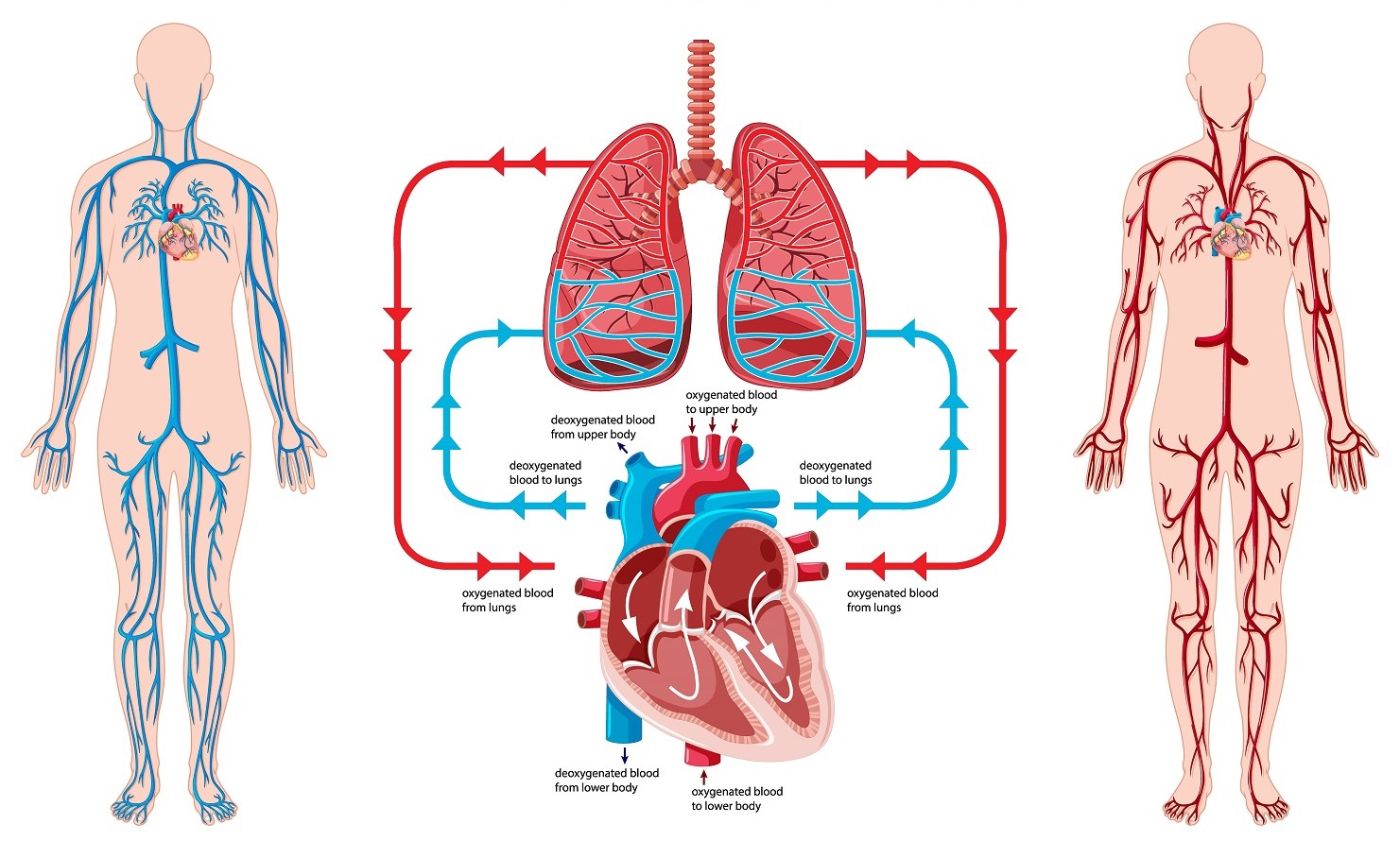
The procedure for Cardiac EECP typically involves the following steps:
Preparation and Setup: The patient is usually required to wear loose-fitting clothing and lie down on a comfortable treatment table. Electrocardiogram electrodes are placed on the patient's chest to monitor their heart's electrical activity throughout the procedure. Blood pressure cuffs are placed around the patient's calves, thighs, and buttocks. These cuffs are connected to an EECP machine.
Monitoring: The healthcare provider or trained technician monitors the patient's vital signs, including heart rate and blood pressure, throughout the procedure.
Cuff Inflation and Deflation: The EECP machine is programmed to inflate and deflate the cuffs in synchronization with the patient's cardiac cycle. During the resting phase of the heart's cycle (diastole), the cuffs sequentially inflate from the lower legs to the buttocks.
This inflation creates a pressure wave that pushes blood from the lower extremities toward the heart and other parts of the body.
Treatment Sessions: A complete course of EECP treatment usually consists of daily sessions, typically lasting about an hour each. The number of treatment sessions can vary depending on the patient's condition and the healthcare provider's recommendation. It may range from 20 to 35 sessions or more over several weeks. During each session, the patient can relax, read, watch TV, or engage in other quiet activities.
Completion of Treatment: After completing the recommended number of sessions, the healthcare provider will assess the patient's progress and determine if additional sessions are needed. Some patients may experience significant relief of symptoms, such as angina, during or after the course of EECP treatment.
Post-Treatment Evaluation: After the completion of EECP therapy, the healthcare provider may conduct follow-up assessments to evaluate the patient's overall cardiac function, exercise tolerance, and symptom improvement.
It's important to note that the specific details of the EECP procedure may vary slightly depending on the medical facility, the patient's individual needs, and the equipment used.
However, the core principles of EECP therapy, which involve the inflation and deflation of cuffs to enhance blood flow to the heart, remain consistent.
India has become a popular destination for Cardiac EECP (Enhanced External Counterpulsation) due to its world-class medical facilities, experienced surgeons, and lower costs compared to other countries. Indian hospitals have state-of-the-art technology and equipment and offer excellent healthcare services at an affordable price. Patients from around the world can benefit from the cost-effective and high-quality healthcare services offered in India.
Gomedi9 is a medical tourism company that specializes in helping patients plan and organize their medical travel to India. They provide a range of services to make the process of medical tourism hassle-free and convenient for patients.
Gomedi9 can help patients to choose the right hospital, book accommodation, arrange transportation, provide interpreters, and ensure that the patient receives the best possible medical treatment at an affordable price. They have a team of experienced professionals who guide patients throughout the process of medical tourism, from the initial consultation to post-operative care.
