

Welcome guest
Monday to Friday8AM - 9PM
AddressABC A-504, Rajnigandha Apartment, VADODARA-390007, GUJARAT, India.
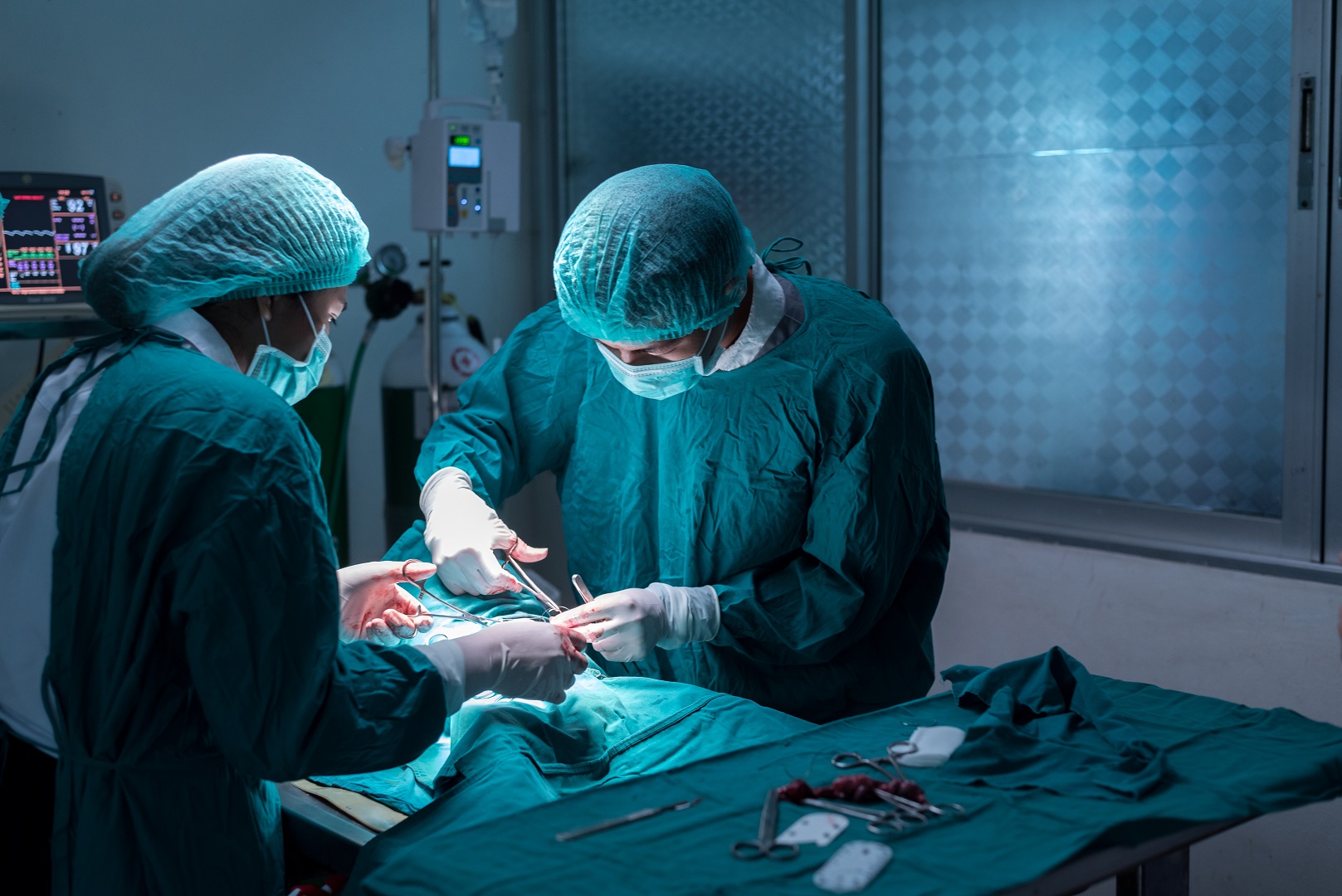
Cardiac ablation is a medical procedure used to treat abnormal heart rhythms, also known as arrhythmias.
Cardiac ablation is typically considered when medications fail to control abnormal heart rhythms or when the side effects of these medications become problematic.
Cardiac ablation is primarily used to treat the following types of arrhythmias:
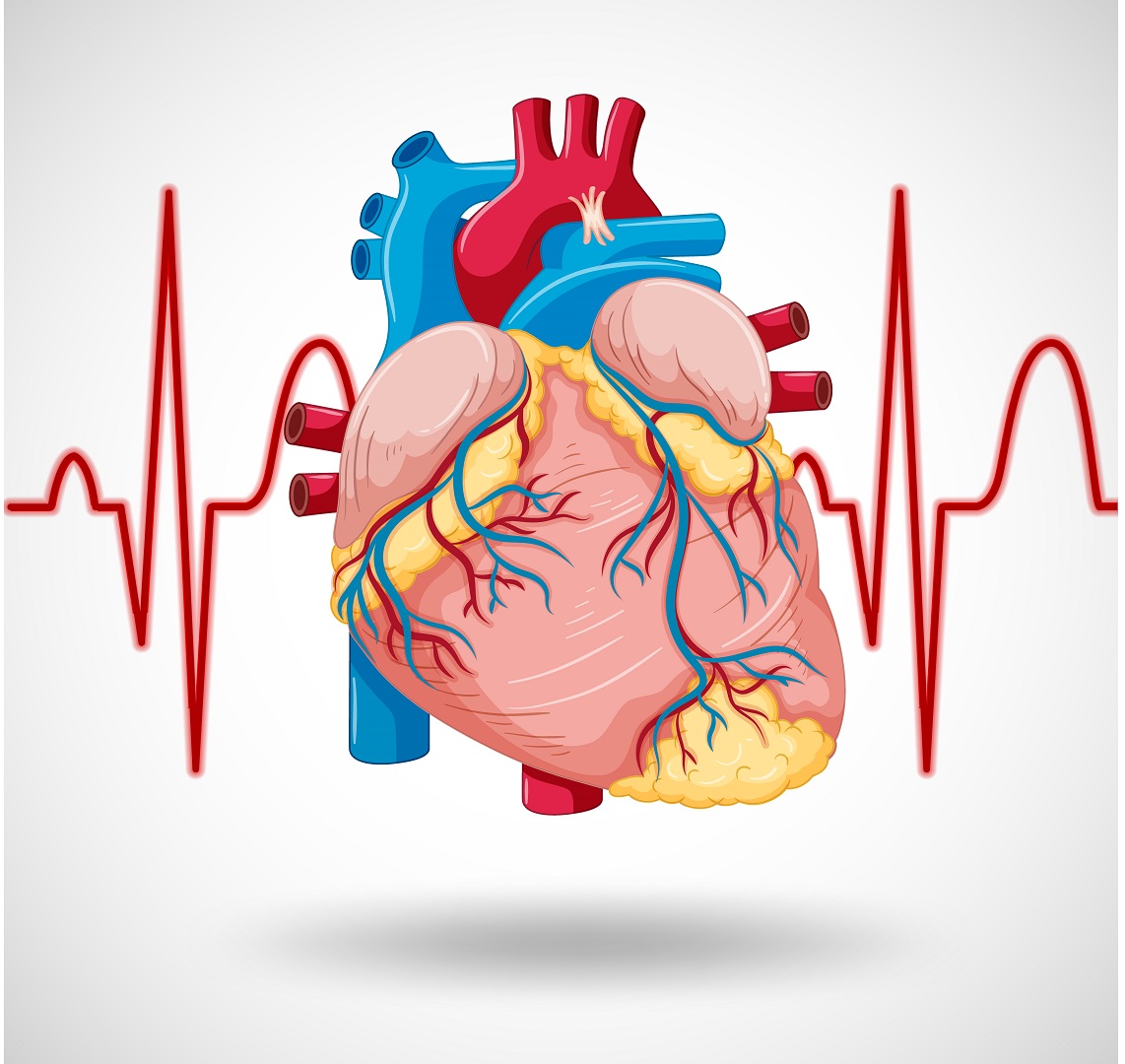
Cardiac ablation can be performed using different techniques, including:
Radiofrequency Ablation: This is the most common method, where a catheter with a specialized tip is used to deliver high-frequency electrical energy to the targeted area, creating heat and destroying abnormal tissue.
Cryoablation: In this approach, a catheter is used to deliver extreme cold to the abnormal tissue, freezing and damaging it.
Laser Ablation: A laser catheter emits laser energy to burn away or modify the targeted tissue.
The cardiac ablation procedure involves the following steps:
Preparation: The patient is usually given sedation or anesthesia to ensure comfort during the procedure. Electrodes are placed on the chest to monitor the heart's electrical activity.
Catheter Insertion: A thin, flexible catheter is inserted into a blood vessel, often in the groin or wrist, and guided through the blood vessels to the heart.
Mapping: Specialized mapping techniques are used to identify the precise location of the abnormal electrical signals.
Ablation: Once the abnormal area is identified, the ablation catheter is positioned, and the energy is delivered to create lesions that disrupt the abnormal electrical pathways.
Monitoring: Throughout the procedure, the patient's heart rhythm is continuously monitored to ensure the effectiveness of the ablation.
Post-Procedure Assessment: After ablation, the catheters are removed, and the patient is monitored for several hours to ensure there are no complications.
Cardiac ablation can be highly effective in eliminating or significantly reducing arrhythmias. It can improve the patient's quality of life by reducing symptoms like palpitations, dizziness, and fatigue. It may reduce or eliminate the need for long-term medication.
Recovery time varies, but most patients can return to normal activities within a few days to a week. Follow-up appointments with the cardiologist are essential to monitor progress and assess the need for further treatment.
India has become a popular destination for Cardiac Ablation due to its world-class medical facilities, experienced surgeons, and lower costs compared to other countries. Indian hospitals have state-of-the-art technology and equipment and offer excellent healthcare services at an affordable price. Patients from around the world can benefit from the cost-effective and high-quality healthcare services offered in India.
Gomedi9 is a medical tourism company that specializes in helping patients plan and organize their medical travel to India. They provide a range of services to make the process of medical tourism hassle-free and convenient for patients.
Gomedi9 can help patients to choose the right hospital, book accommodation, arrange transportation, provide interpreters, and ensure that the patient receives the best possible medical treatment at an affordable price. They have a team of experienced professionals who guide patients throughout the process of medical tourism, from the initial consultation to post-operative care.
