

Welcome guest
Monday to Friday8AM - 9PM
AddressABC A-504, Rajnigandha Apartment, VADODARA-390007, GUJARAT, India.
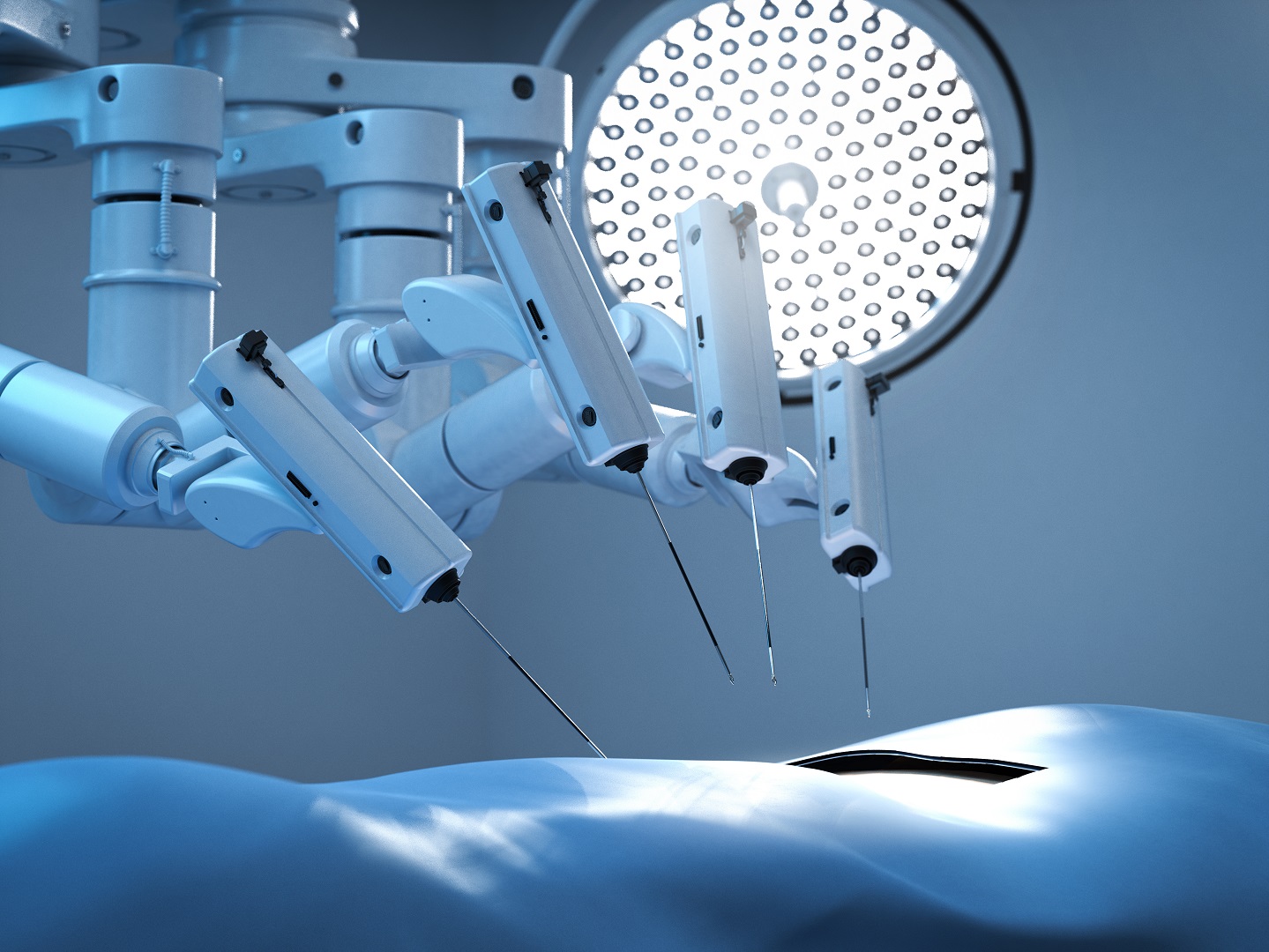
Radical robotic prostatectomy is a surgical procedure used to treat prostate cancer.
Radical robotic prostatectomy is the use of robotic-assisted technology during the surgery. There are different types or approaches to performing radical robotic prostatectomy, each with its own variations.
The primary approaches include:
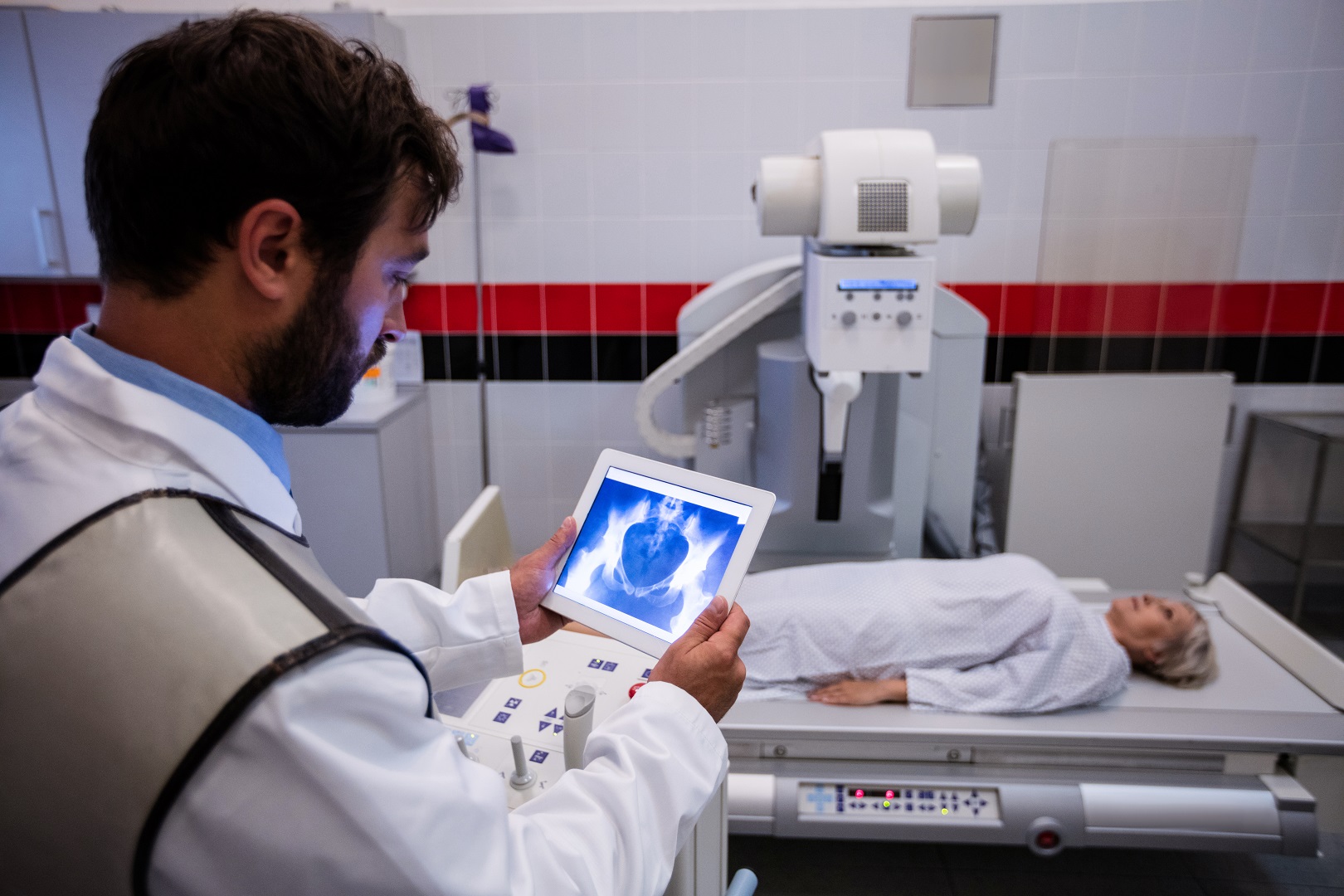
Here is a general overview of the process:
1. Preoperative Preparation: Patient Preparation: The patient is positioned on the operating table, and general anesthesia is administered to ensure the patient is unconscious and pain-free during the procedure.
2. Trocar Placement: Small Incisions: The surgeon makes several small incisions in the abdomen to serve as entry points for the robotic instruments. Typically, these incisions are about half an inch to an inch in length.
3. Robotic System Setup:
a. Trocar Insertion: Trocars are inserted through the incisions. These trocars serve as ports for the robotic arms and camera to access the abdominal cavity.
b. Robot Docking: The robotic arms are attached to the trocars, and the surgeon controls the robotic system from a console in the operating room.
4. Visualization: Camera Insertion: A high-definition 3D camera is inserted through one of the trocars. This camera provides a detailed view of the surgical site.
5. Tissue Dissection:
Surgical Instrument Insertion: The remaining robotic arms are equipped with surgical instruments that the surgeon uses to dissect and remove the prostate gland and surrounding tissues.
Blood Vessel Control: Blood vessels supplying the prostate are carefully sealed or tied off to minimize bleeding.
6. Nerve-Sparing (if applicable): Preserving Nerves: If a nerve-sparing approach is planned, the surgeon works to carefully separate and preserve the nerves responsible for erectile function.
7. Removal of the Prostate: Prostate Removal: The surgeon removes the entire prostate gland, seminal vesicles, and any nearby affected tissues. The goal is to eliminate cancerous cells while preserving urinary and sexual function as much as possible.
8. Lymph Node Dissection (if necessary): Lymph Node Removal: In some cases, the surgeon may also perform a lymph node dissection to check for the presence of cancer cells in the nearby lymph nodes.
9. Closure: Closure of Incisions: Once the prostate and surrounding tissues are removed, the surgeon closes the incisions with sutures or staples.
10. Postoperative Care:
a. Recovery Room: The patient is moved to the recovery room, where medical staff monitors vital signs and manages postoperative pain.
b. Hospital Stay: The length of hospital stay varies but is typically a day or two.
11. Follow-Up: Postoperative Follow-Up: The patient will have follow-up appointments with the surgeon to monitor recovery, discuss any potential side effects, and address any concerns.
India has become a popular destination for Radical Robotic Prostatectomy due to its world-class medical facilities, experienced surgeons, and lower costs compared to other countries. Indian hospitals have state-of-the-art technology and equipment and offer excellent healthcare services at an affordable price. Patients from around the world can benefit from the cost-effective and high-quality healthcare services offered in India.
Gomedi9 is a medical tourism company that specializes in helping patients plan and organize their medical travel to India. They provide a range of services to make the process of medical tourism hassle-free and convenient for patients.
Gomedi9 can help patients to choose the right hospital, book accommodation, arrange transportation, provide interpreters, and ensure that the patient receives the best possible medical treatment at an affordable price. They have a team of experienced professionals who guide patients throughout the process of medical tourism, from the initial consultation to post-operative care.
