

Welcome guest
Monday to Friday8AM - 9PM
AddressABC A-504, Rajnigandha Apartment, VADODARA-390007, GUJARAT, India.
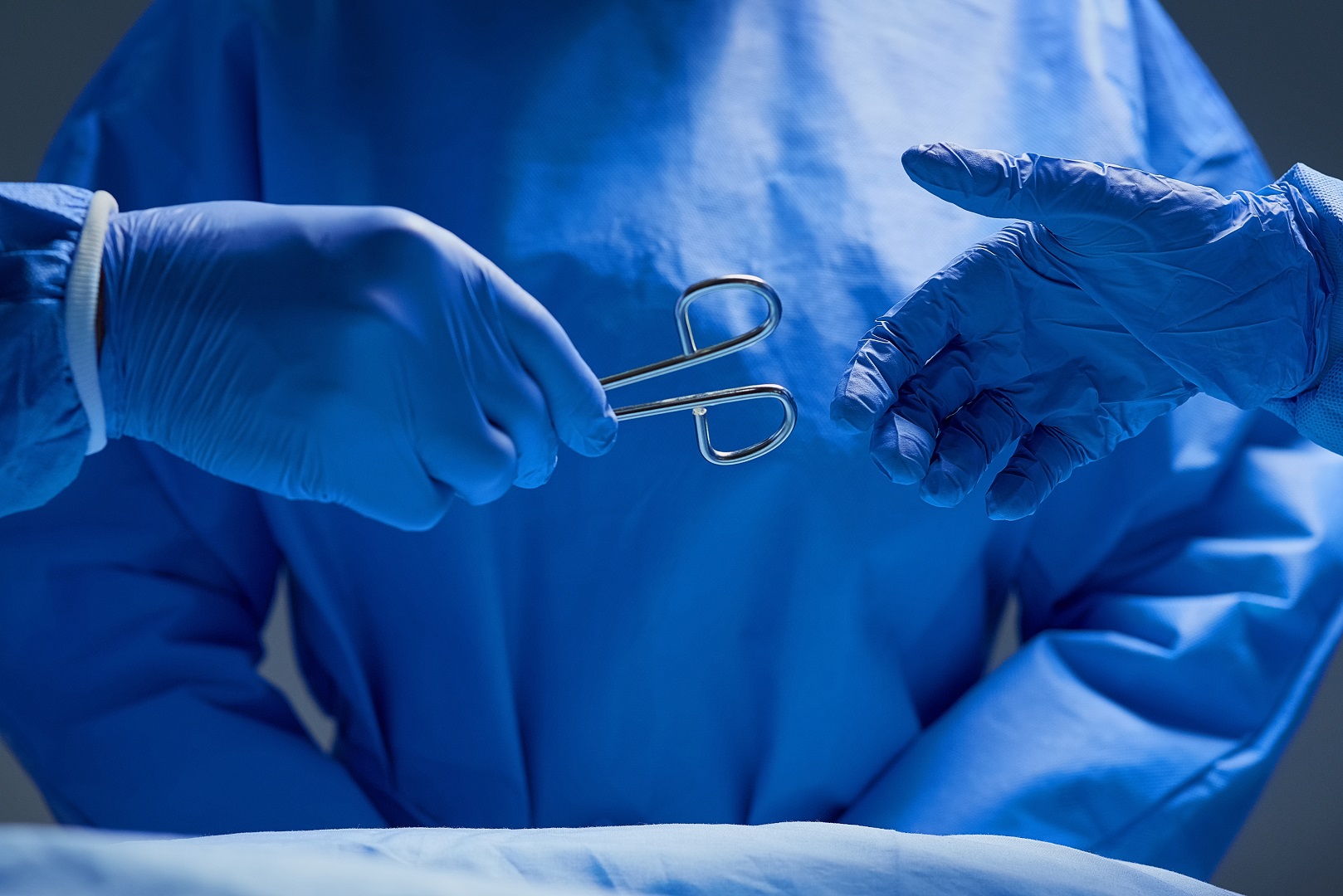
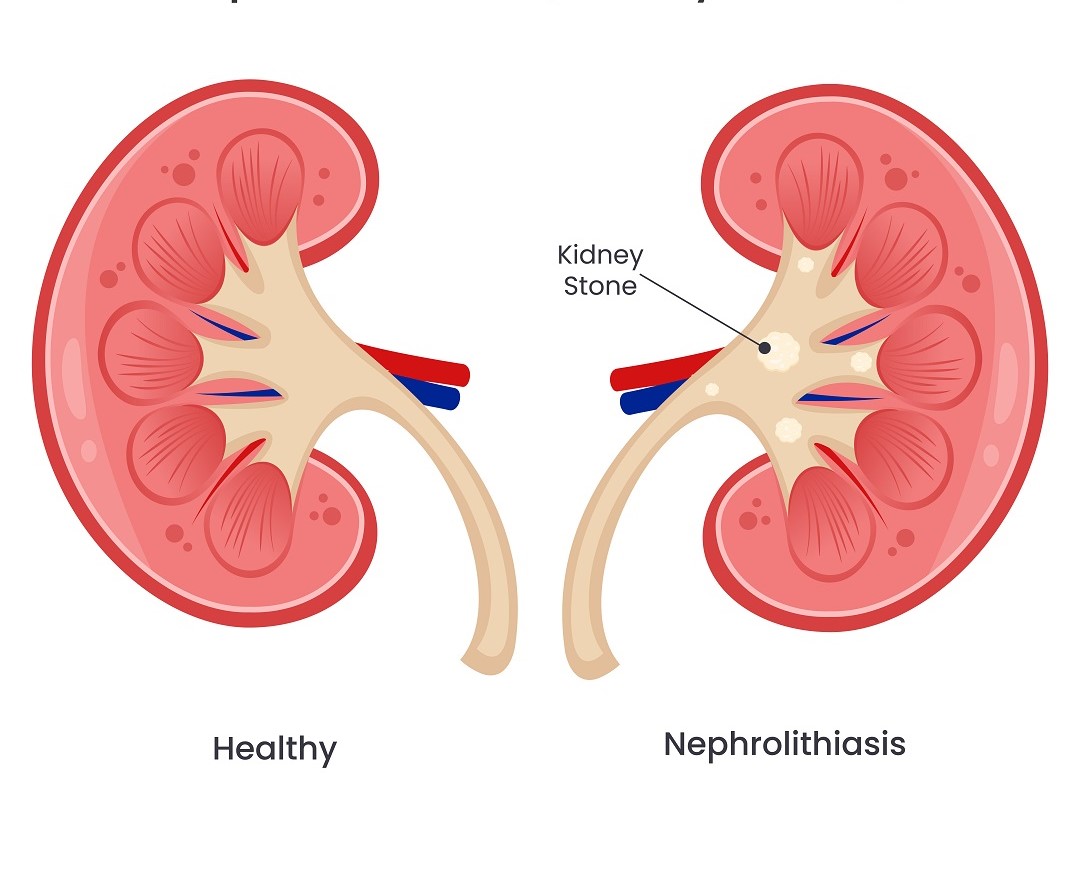
Percutaneous Nephrolithotomy is a minimally invasive surgical procedure used to remove large or complex kidney stones from the kidney.
Percutaneous Nephrolithotomy (PCNL) is often considered when other less invasive methods, such as shock wave lithotripsy or ureteroscopy, are not suitable for treating the particular characteristics of the kidney stones. It is an effective method for managing larger stones, complex stones, or cases where there is a high stone burden.
Some types or variations of PCNL include:
Here is a general overview of the PCNL procedure:
Patient Preparation: The patient is positioned on an operating table, usually in the prone position (lying face down) or occasionally in the supine position (lying on the back). Anesthesia is administered to ensure the patient is comfortable and unconscious during the procedure.
Access to the Kidney: The surgeon identifies the optimal entry point on the patient's back, typically in the area overlying the kidney. A small incision or puncture is made through the skin, and a guide wire is inserted through the incision into the kidney. This is often done under imaging guidance, such as fluoroscopy or ultrasound.
Dilation of the Access Tract: Over the guide wire, a series of dilators of increasing size are passed through the incision to enlarge the tract and create a pathway to the kidney.
Nephroscope Insertion: Once the tract is dilated, a nephroscope”a thin tube with a light and camera on the end is inserted through the tract and into the kidney.
The nephroscope allows the surgeon to visualize the kidney stones and surrounding structures.
Stone Fragmentation and Removal: Specialized instruments, such as laser fibers, pneumatic or ultrasonic probes, are used to fragment the kidney stones into smaller pieces. The surgeon removes the fragmented stones using forceps or suction through the nephroscope.
Completion of Stone Removal: The process of stone fragmentation and removal is repeated until all visible stones have been cleared.
Closure of Access Tract: If a drainage tube was used during the procedure, it may be left in place temporarily. The access tract is closed using stitches or a special sealing material. In some cases, the incision may be left open to drain, or a small tube (nephrostomy tube) may be left in place to facilitate drainage.
Recovery and Postoperative Care: The patient is monitored in the recovery room before being transferred to a hospital room. Pain management and postoperative care are provided, which may include antibiotics to prevent infection and medications to control pain.
Follow-up: The patient is typically scheduled for follow-up appointments to monitor recovery and assess the success of the procedure. Imaging studies, such as X-rays or CT scans, may be performed to confirm the clearance of kidney stones.
India has become a popular destination for Percutaneous Nephrolithotomy due to its world-class medical facilities, experienced surgeons, and lower costs compared to other countries. Indian hospitals have state-of-the-art technology and equipment and offer excellent healthcare services at an affordable price. Patients from around the world can benefit from the cost-effective and high-quality healthcare services offered in India.
Gomedi9 is a medical tourism company that specializes in helping patients plan and organize their medical travel to India. They provide a range of services to make the process of medical tourism hassle-free and convenient for patients.
Gomedi9 can help patients to choose the right hospital, book accommodation, arrange transportation, provide interpreters, and ensure that the patient receives the best possible medical treatment at an affordable price. They have a team of experienced professionals who guide patients throughout the process of medical tourism, from the initial consultation to post-operative care.
