

Welcome guest
Monday to Friday8AM - 9PM
AddressABC A-504, Rajnigandha Apartment, VADODARA-390007, GUJARAT, India.
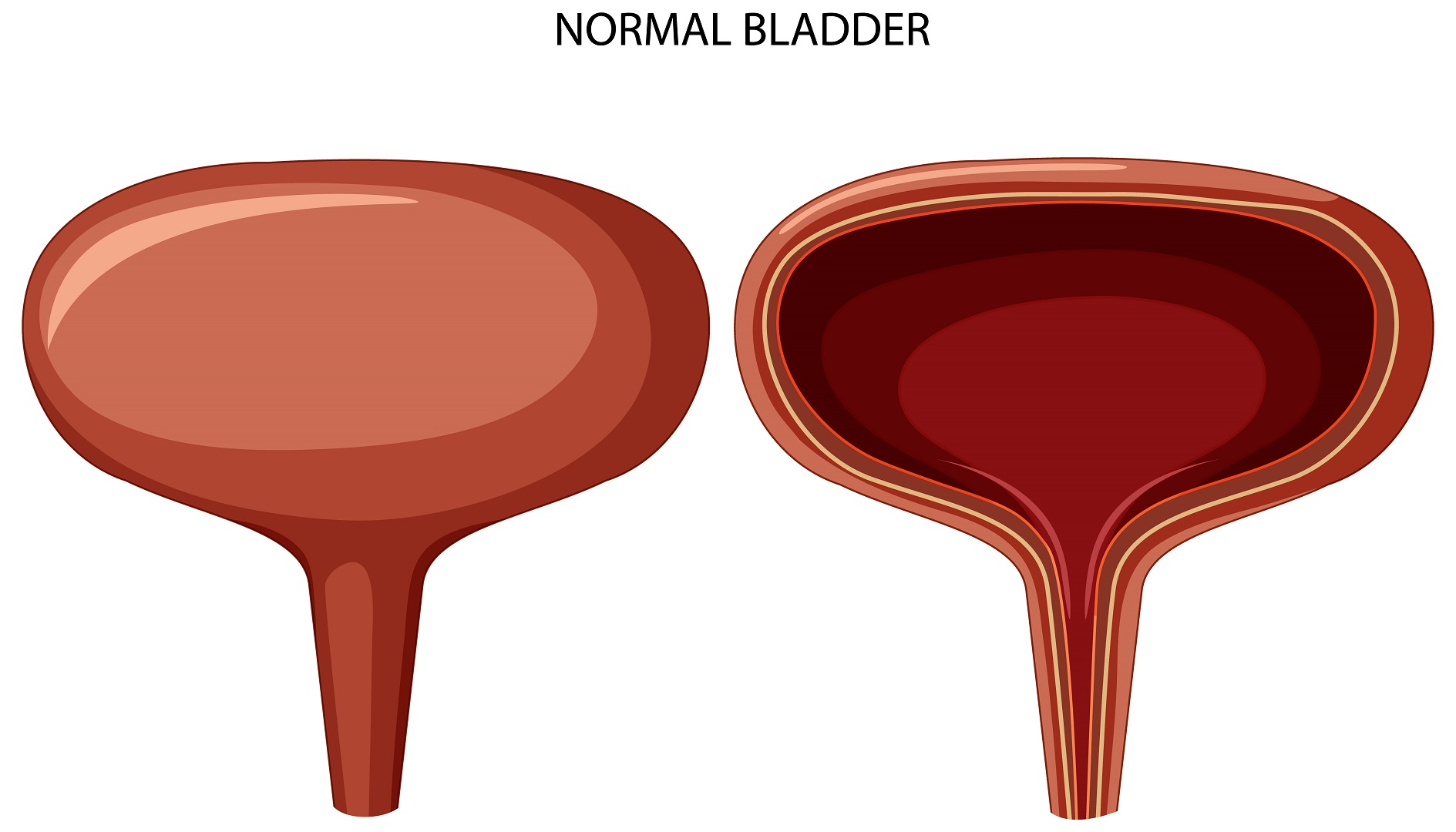
Bladder cancer is a type of cancer that begins in the cells of the bladder, which is a hollow organ in the pelvis responsible for storing urine.
Symptoms of bladder cancer may include blood in the urine (hematuria), frequent urination, pain during urination, and lower back pain. Diagnosis often involves a combination of medical history review, physical examination, imaging tests, and a biopsy of the bladder tissue.
The two main types of bladder cancer are:
Here is an overview of the typical procedure:
Symptom Recognition and Initial Evaluation: Individuals may initially notice symptoms such as blood in the urine, frequent urination, pain during urination, or lower back pain. Consultation with a healthcare professional is essential for a thorough evaluation of symptoms and medical history.
Diagnostic Tests:
a. Cystoscopy: A thin tube with a camera (cystoscope) is inserted through the urethra into the bladder to visually examine the bladder lining.
b. Biopsy: If suspicious areas are found during cystoscopy, a small tissue sample (biopsy) may be taken for laboratory analysis to determine if cancer is present.
Imaging Studies:
a. CT Scan or MRI: These imaging tests help evaluate the extent of the cancer and whether it has spread to surrounding tissues or organs.
b. Intravenous Pyelogram: A special dye is injected into a vein, and X-rays are taken to visualize the urinary tract.
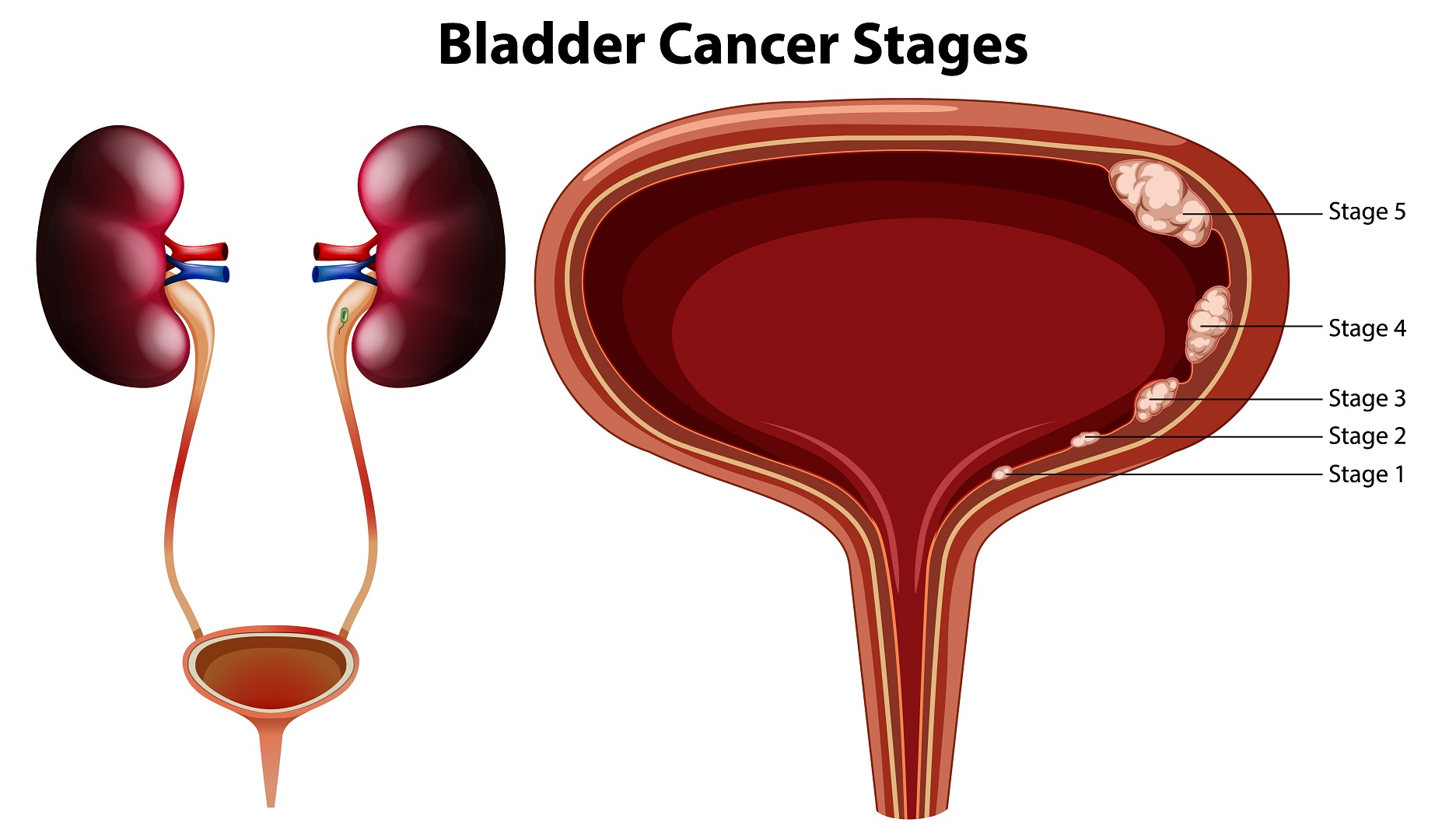
Staging: Staging determines the extent and severity of the cancer. Stages range from non-invasive to invasive. Staging helps guide treatment decisions and provides information about the prognosis.
Treatment Options:
a. Non-Muscle-Invasive Bladder Cancer:
Transurethral Resection of Bladder Tumor: Surgical removal of the tumor through a cystoscope.
Intravesical Therapy: Treatment with medications placed directly into the bladder to prevent recurrence.
b. Muscle-Invasive Bladder Cancer:
Radical Cystectomy: Surgical removal of the entire bladder and surrounding tissues.
Chemotherapy: Used before or after surgery to shrink tumors or kill remaining cancer cells.
Radiation Therapy: Targeted radiation to destroy cancer cells.
Advanced or Metastatic Bladder Cancer:
Chemotherapy: Systemic treatment to target cancer cells throughout the body.
Immunotherapy: Drugs that stimulate the immune system to fight cancer.
Follow-Up and Monitoring: Regular follow-up visits are essential to monitor for any signs of recurrence or complications. Imaging tests and cystoscopies may be performed periodically based on the individual's risk and treatment history.
India has become a popular destination for Bladder Cancer due to its world-class medical facilities, experienced surgeons, and lower costs compared to other countries. Indian hospitals have state-of-the-art technology and equipment and offer excellent healthcare services at an affordable price. Patients from around the world can benefit from the cost-effective and high-quality healthcare services offered in India.
Gomedi9 is a medical tourism company that specializes in helping patients plan and organize their medical travel to India. They provide a range of services to make the process of medical tourism hassle-free and convenient for patients.
Gomedi9 can help patients to choose the right hospital, book accommodation, arrange transportation, provide interpreters, and ensure that the patient receives the best possible medical treatment at an affordable price. They have a team of experienced professionals who guide patients throughout the process of medical tourism, from the initial consultation to post-operative care.
