

Welcome guest
Monday to Friday8AM - 9PM
AddressABC A-504, Rajnigandha Apartment, VADODARA-390007, GUJARAT, India.
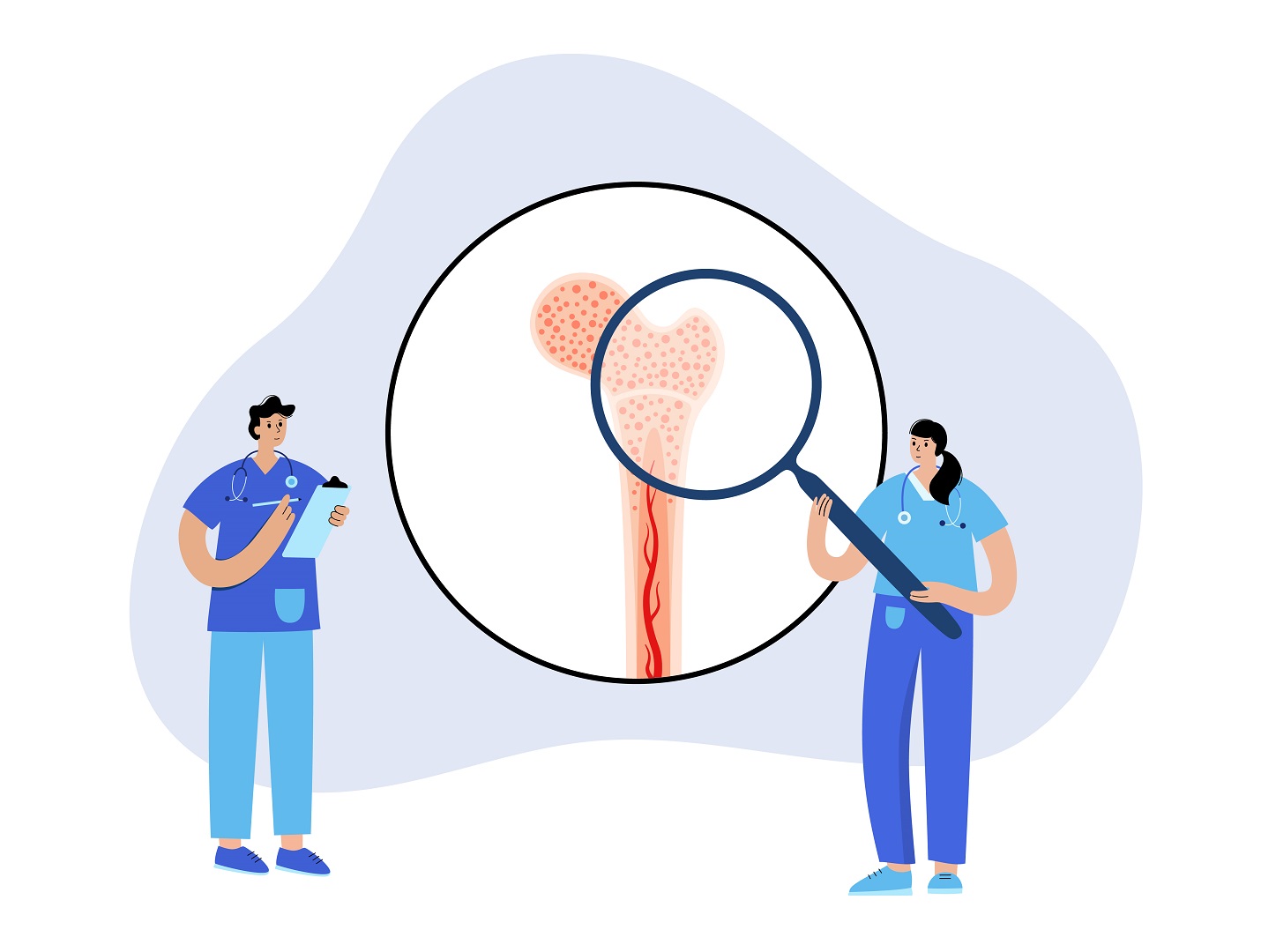
A bone marrow transplant is a medical procedure in which damaged or diseased bone marrow is replaced with healthy bone marrow cells.
The bone marrow is a spongy tissue found in the cavities of certain bones, and it plays a crucial role in the production of blood cells, including red blood cells, white blood cells, and platelets. There are three main types of bone marrow transplant, each based on the source of the transplanted cells and the relationship between the donor and the recipient.
These types are:
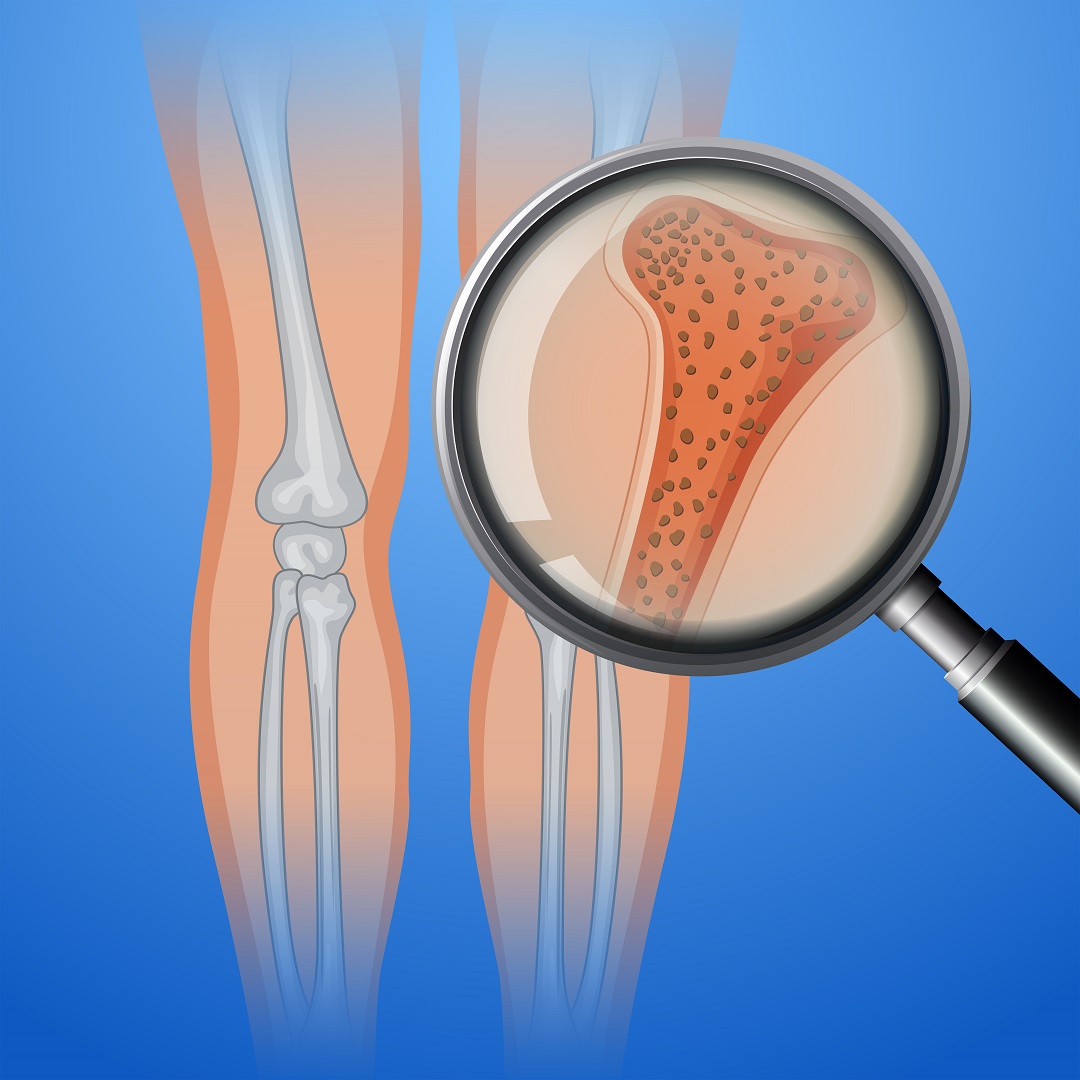
Here is a general overview of the bone marrow transplant procedure:
Pre-Transplant Evaluation:
a. Medical Assessment: The patient undergoes a thorough medical evaluation, including physical exams, blood tests, imaging studies, and possibly a bone marrow biopsy.
b. Donor Compatibility: For allogeneic transplants, a suitable donor is identified through human leukocyte antigen (HLA) matching. This may involve testing family members or unrelated donors.
Harvesting or Collection of Stem Cells:
a. Autologous Transplant: The patient's own stem cells are collected. This may involve bone marrow aspiration or apheresis (a process where blood is drawn, stem cells are separated, and the remaining blood is returned to the donor).
b. Allogeneic Transplant: Stem cells are obtained from the chosen donor. This can involve bone marrow aspiration, peripheral blood stem cell collection, or using umbilical cord blood.
Conditioning Regimen: High-Dose Therapy: The patient undergoes a conditioning regimen, which typically involves high-dose chemotherapy and/or total body irradiation.
This aims to destroy the existing bone marrow, including cancer cells, and suppress the patient's immune system to prevent rejection of the transplanted cells.
Transplantation:
a. Infusion of Stem Cells: The harvested or thawed stem cells are infused into the patient's bloodstream through a central venous catheter. This is similar to receiving a blood transfusion.
b. Engraftment: The transplanted stem cells travel to the bone marrow and begin to produce new blood cells. The time for engraftment varies and is monitored through blood tests.
Recovery and Supportive Care:
a. Isolation: During the initial recovery period, patients may be placed in isolation to reduce the risk of infections while their immune system is weakened.
b. Supportive Therapies: Patients receive supportive care, including antibiotics, antiviral medications, and blood transfusions as needed.
c. Monitoring: Regular monitoring of blood counts and overall health is crucial during the recovery phase.
Follow-up Care:
a. Long-Term Follow-up: Patients undergo long-term follow-up to monitor for potential complications, such as graft-versus-host disease (in allogeneic transplants), infections, and other side effects.
b. Immunosuppressive Medications: In allogeneic transplants, patients may need to take immunosuppressive medications to prevent graft-versus-host disease.
India has become a popular destination for Bone Marrow Transplant due to its world-class medical facilities, experienced surgeons, and lower costs compared to other countries. Indian hospitals have state-of-the-art technology and equipment and offer excellent healthcare services at an affordable price. Patients from around the world can benefit from the cost-effective and high-quality healthcare services offered in India.
Gomedi9 is a medical tourism company that specializes in helping patients plan and organize their medical travel to India. They provide a range of services to make the process of medical tourism hassle-free and convenient for patients.
Gomedi9 can help patients to choose the right hospital, book accommodation, arrange transportation, provide interpreters, and ensure that the patient receives the best possible medical treatment at an affordable price. They have a team of experienced professionals who guide patients throughout the process of medical tourism, from the initial consultation to post-operative care.
