

Welcome guest
Monday to Friday8AM - 9PM
AddressABC A-504, Rajnigandha Apartment, VADODARA-390007, GUJARAT, India.
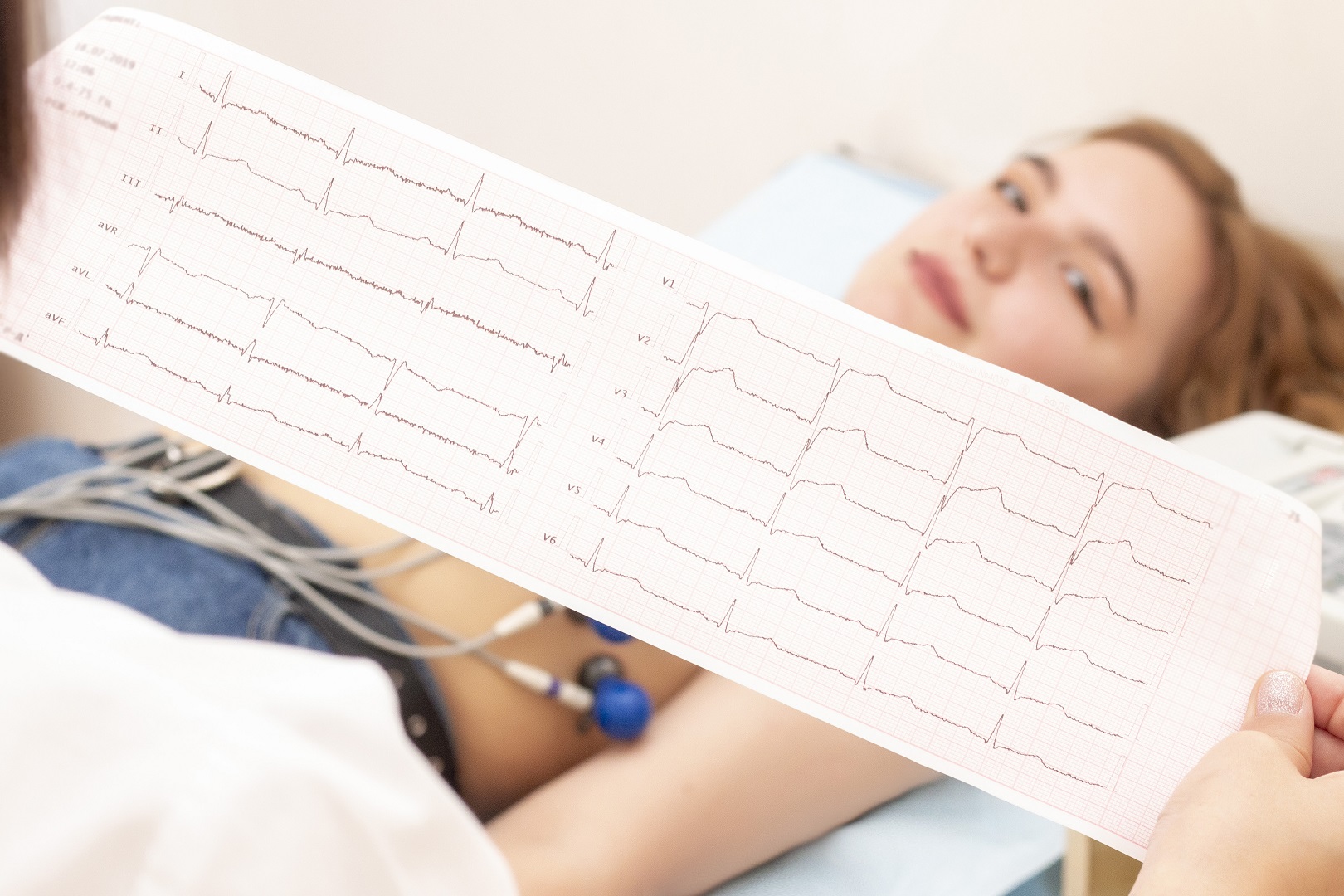
An Electrocardiogram is a medical test that records the electrical activity of the heart over a specific period of time.
Electrocardiogram is a non-invasive diagnostic tool used to monitor and assess the heart's electrical rhythm and activity.
Here are some of the common types of cardiac EKGs:

Here is an overview of the typical procedure:
Preparation: The patient is usually asked to remove any clothing that obstructs access to the chest, arms, and legs where the EKG electrodes will be placed. In some cases, the patient may be asked to wear a gown.
Patient Positioning: The patient is typically asked to lie down on an examination table or bed. If the patient is unable to lie down, the EKG can be performed while they are sitting or even standing.
Skin Preparation: The areas where the EKG electrodes will be placed are cleaned to remove any oils, sweat, or dirt. This ensures good electrode-skin contact. Electrode gel or adhesive electrodes are then applied to these areas.
Electrode Placement: Standard EKGs use a set of electrodes placed on specific areas of the body.
Recording the EKG: The EKG machine is turned on, and the technician or healthcare provider starts the recording. The EKG machine records the electrical signals produced by the heart over a period of a few seconds to a few minutes.
Monitoring: The healthcare provider or technician monitors the EKG tracings in real-time to ensure the quality of the recording. They may ask the patient to hold their breath briefly or make other minor adjustments as needed.
Completing the Test: Once the necessary data has been collected, the EKG recording is stopped. The electrodes are removed, and any residual electrode gel or adhesive is cleaned from the skin.
Results: The EKG tracings are printed on paper or displayed electronically on a monitor. A healthcare provider, often a cardiologist or trained technician, interprets the EKG results to diagnose any abnormalities in the heart's electrical activity.
Post-Test Care: After the EKG, the patient is typically allowed to dress and return to their normal activities. The healthcare provider may discuss the preliminary findings with the patient or schedule a follow-up appointment to discuss the results in detail.
The entire EKG procedure is non-invasive and usually takes only a few minutes to complete.
It is a valuable tool for diagnosing and monitoring various heart conditions, including arrhythmias, myocardial infarctions (heart attacks), and other cardiac abnormalities.
India has become a popular destination for Cardiac Electrocardiogram due to its world-class medical facilities, experienced surgeons, and lower costs compared to other countries. Indian hospitals have state-of-the-art technology and equipment and offer excellent healthcare services at an affordable price. Patients from around the world can benefit from the cost-effective and high-quality healthcare services offered in India.
Gomedi9 is a medical tourism company that specializes in helping patients plan and organize their medical travel to India. They provide a range of services to make the process of medical tourism hassle-free and convenient for patients.
Gomedi9 can help patients to choose the right hospital, book accommodation, arrange transportation, provide interpreters, and ensure that the patient receives the best possible medical treatment at an affordable price. They have a team of experienced professionals who guide patients throughout the process of medical tourism, from the initial consultation to post-operative care.
