

Welcome guest
Monday to Friday8AM - 9PM
AddressABC A-504, Rajnigandha Apartment, VADODARA-390007, GUJARAT, India.

Imaging involves the use of various techniques and technologies to capture, create, or visualize visual information. There are various types of imaging techniques used in different fields for capturing and visualizing information.
Here are some common types of imaging:
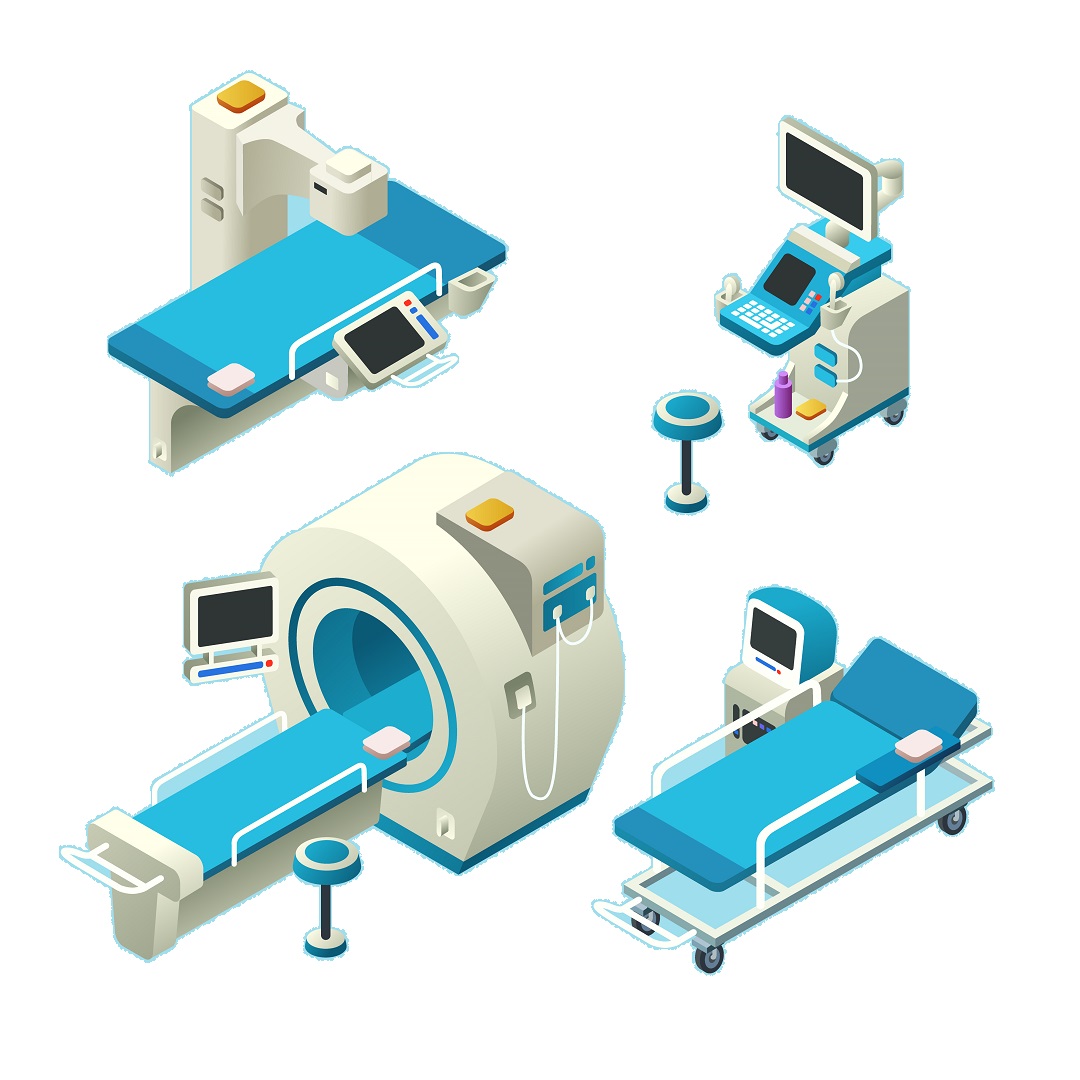
Here is a general outline that covers common steps involved in medical imaging procedures:
Patient Check-In: Patients arrive at the medical imaging facility and go through the check-in process, including providing identification and insurance information.
Patient Interview: A healthcare professional may interview the patient to gather relevant medical history, including any existing conditions, allergies, or prior surgeries.
Informed Consent: The healthcare provider explains the imaging procedure to the patient, including its purpose, potential risks, and benefits. Informed consent is obtained.
Patient Preparation: Depending on the imaging modality, patients may need to change into a gown and remove metal objects or clothing that could interfere with the procedure (watches, jewelry, etc.).
Positioning: Patients are positioned appropriately on the imaging table or device to ensure the area of interest is properly aligned with the imaging equipment.
Equipment Calibration: The imaging equipment is calibrated and set up according to the specific requirements of the procedure.
Image Acquisition: The imaging procedure is initiated. This could involve:
a. X-ray Imaging: X-rays are directed through the body to create images of internal structures.
b. CT Scan: Multiple X-ray images are taken from different angles to create cross-sectional images.
c. MRI: Strong magnetic fields and radio waves are used to generate detailed images of soft tissues.
d. Ultrasound: High-frequency sound waves are used to create real-time images of internal structures.
Monitoring: Patients may be monitored throughout the procedure, especially if sedation is used or if the imaging session is lengthy.
Post-Processing (if applicable): In some cases, acquired images may undergo post-processing to enhance or reconstruct specific details.
Interpretation and Reporting: The images are interpreted by a radiologist or another qualified healthcare professional, who generates a report for the referring physician.
Follow-up: Depending on the results, further diagnostic or treatment steps may be recommended. The patient may follow up with their healthcare provider to discuss the findings.
India has world-class facilities, experienced professionals, and lower costs for Imaging. Indian facilities have state-of-the-art technology and equipment and offer excellent services at an affordable price. Patients from around the world can benefit from the cost-effective and high-quality services offered in India.
Gomedi9 is a medical tourism company that specializes in helping patients plan and organize their medical travel to India. They provide a range of services to make the process of medical tourism hassle-free and convenient for patients.
Gomedi9 can help patients to choose the right laboratory, book accommodation, arrange transportation, provide interpreters, and ensure that the patient receives the best service at an affordable price. They have a team of experienced professionals who guide patients throughout the process of medical tourism.
