

Welcome guest
Monday to Friday8AM - 9PM
AddressABC A-504, Rajnigandha Apartment, VADODARA-390007, GUJARAT, India.

Pediatric gastroenterology is a medical specialty that focuses on the diagnosis and treatment of digestive and nutritional disorders in infants, children, and adolescents.
Pediatric gastroenterology is a subspecialty of medicine that deals with a wide range of digestive and nutritional disorders in children. Within this field, pediatric gastroenterologists may focus on specific types of conditions or areas of expertise.
Here are some types or areas within pediatric gastroenterology:
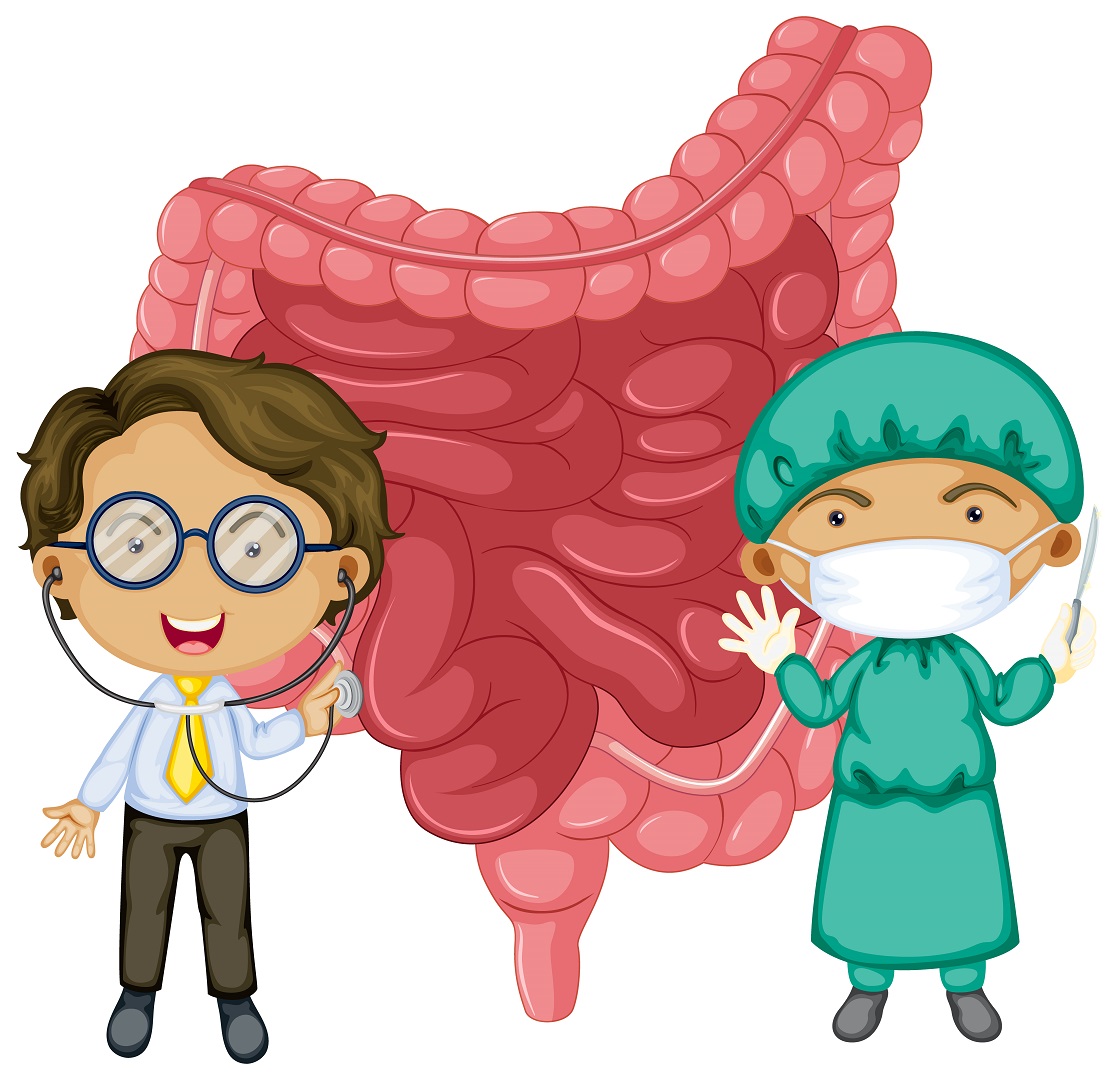
Here are some common procedures used in pediatric gastroenterology:
Physical Examination: The first step in the process involves a thorough physical examination by the pediatric gastroenterologist. This examination can help identify signs or symptoms that may suggest specific gastrointestinal issues.
Medical History: Obtaining a detailed medical history from the child and their parents or caregivers is crucial for understanding the patient's symptoms, family history, and any previous medical conditions.
Blood Tests: Blood tests are commonly used to assess liver function, nutritional status, inflammation, and the presence of specific antibodies or markers that may indicate certain gastrointestinal conditions.
Stool Studies: Stool samples may be analyzed to check for infections, blood, or evidence of malabsorption.
Imaging Studies:
Ultrasound: Abdominal ultrasound can provide images of the liver, gallbladder, and other abdominal organs.
X-rays: X-rays may be used to visualize the gastrointestinal tract, detect structural abnormalities, or assess for intestinal obstructions.
Endoscopy:
Upper Endoscopy: A thin, flexible tube with a camera is inserted through the mouth to examine the esophagus, stomach, and duodenum.
Lower Endoscopy: A similar procedure used to inspect the colon.
Biopsy: During endoscopic procedures, tissue samples may be taken for microscopic examination to aid in the diagnosis of conditions such as inflammatory bowel disease, celiac disease, or eosinophilic esophagitis.
Imaging Procedures:
CT Scans and MRIs: These imaging techniques may be used to visualize the gastrointestinal tract or liver in more detail.
HIDA Scan: A HIDA scan can evaluate the function of the gallbladder and biliary system.
Breath Tests: Breath tests can be employed to diagnose conditions like lactose intolerance or bacterial overgrowth in the small intestine.
Manometry: Manometry measures pressure within the gastrointestinal tract and is used to diagnose motility disorders like achalasia.
Liver Biopsy: For liver-related issues, a liver biopsy may be performed to assess liver tissue for inflammation, fibrosis, or other liver diseases.
Interventional Procedures: In some cases, pediatric gastroenterologists may perform therapeutic procedures, such as placing feeding tubes, dilating narrowed areas of the esophagus or intestines, or treating gastrointestinal bleeding.
Nutritional Assessments: Nutritional assessments may include monitoring growth, assessing dietary habits, and providing dietary counseling and support for conditions like obesity, failure to thrive, or food allergies.
India has become a popular destination for Pediatric Gastroenterology due to its world-class medical facilities, experienced surgeons, and lower costs compared to other countries. Indian hospitals have state-of-the-art technology and equipment and offer excellent healthcare services at an affordable price. Patients from around the world can benefit from the cost-effective and high-quality healthcare services offered in India.
Gomedi9 is a medical tourism company that specializes in helping patients plan and organize their medical travel to India. They provide a range of services to make the process of medical tourism hassle-free and convenient for patients.
Gomedi9 can help patients to choose the right hospital, book accommodation, arrange transportation, provide interpreters, and ensure that the patient receives the best possible medical treatment at an affordable price. They have a team of experienced professionals who guide patients throughout the process of medical tourism, from the initial consultation to post-operative care.
