

Welcome guest
Monday to Friday8AM - 9PM
AddressABC A-504, Rajnigandha Apartment, VADODARA-390007, GUJARAT, India.
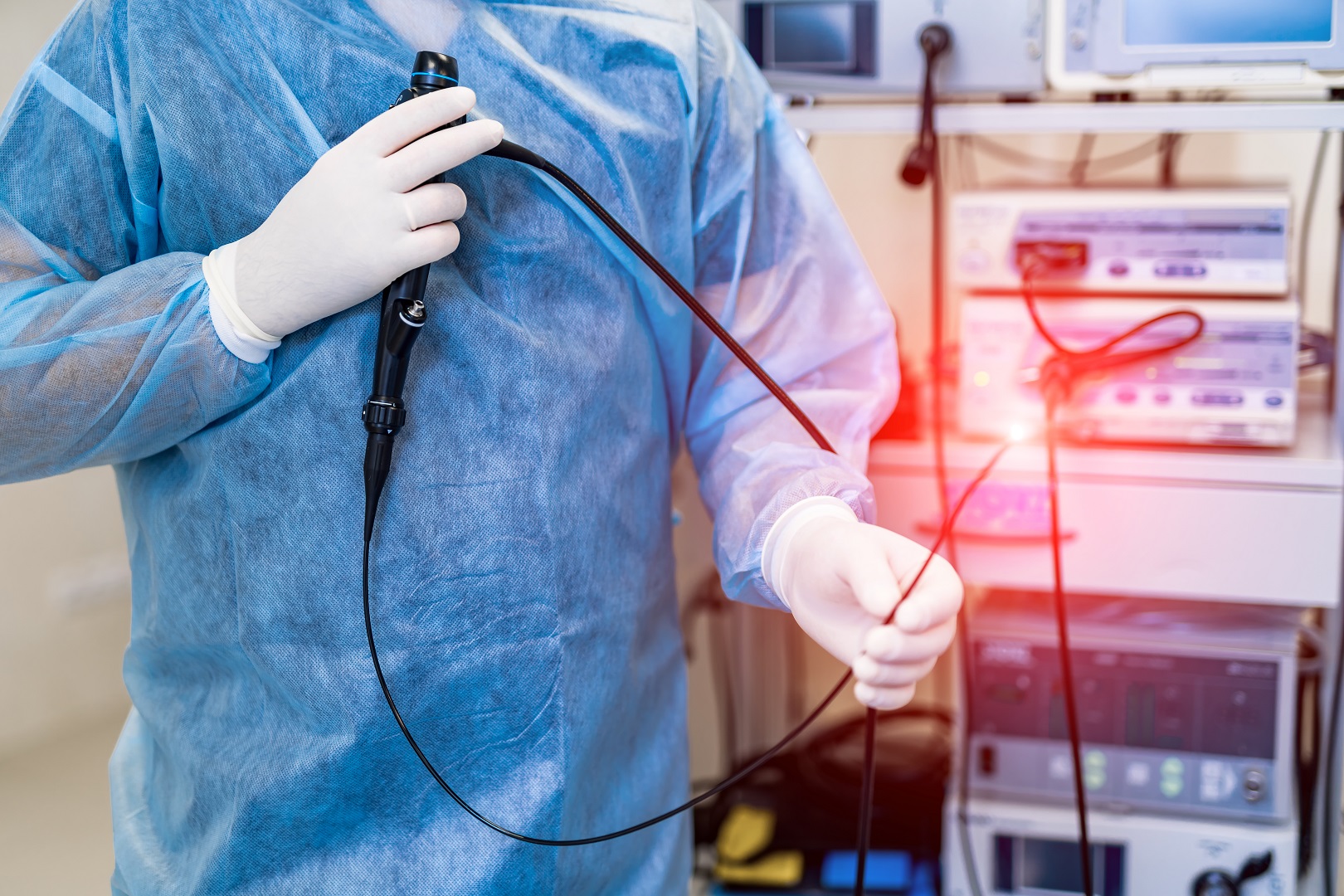
Gastroscopy is a medical procedure that involves the examination of the inside of the upper gastrointestinal tract.
Gastroscopy, also known as esophagogastroduodenoscopy (EGD), primarily refers to the examination of the upper gastrointestinal tract, which includes the esophagus, stomach, and duodenum.
There are a few variations or additional procedures related to gastroscopy, including:
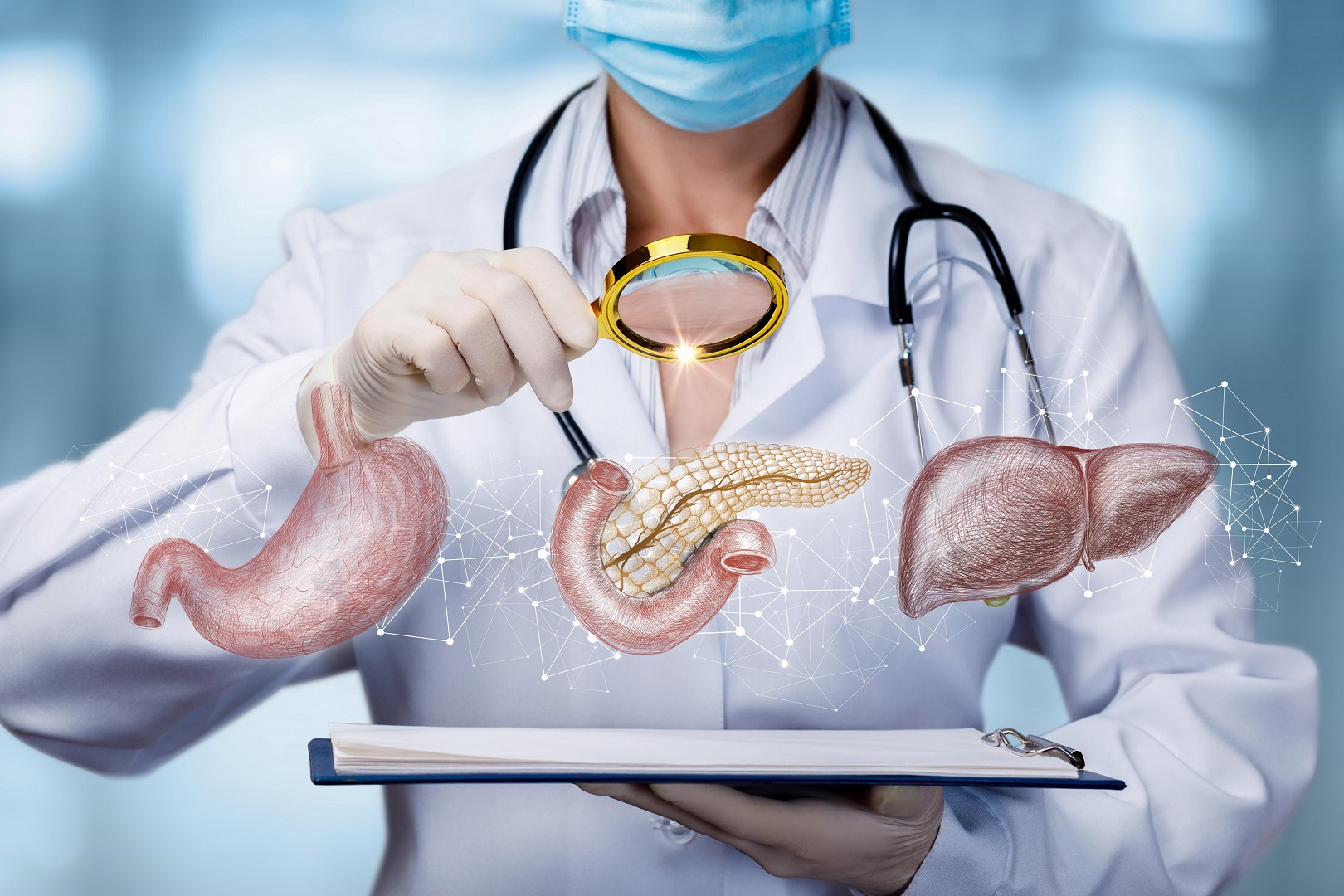
Here is a general outline of the steps involved in a gastroscopy:
Preparation:
a. Fasting: Typically, you will be asked to fast for a specific period before the procedure, usually for around 6 to 12 hours. This ensures that your stomach is empty, making it easier to perform the examination.
b. Consent: You'll be asked to sign a consent form, acknowledging your understanding of the procedure and its potential risks.
Pre-Procedure:
a. Change into a hospital gown and remove any jewelry, dentures, or glasses.
b. An intravenous (IV) line may be inserted to administer medications or fluids during the procedure.
c. You will be positioned on your left side, and a mouthguard or bite block may be placed to protect your teeth and the endoscope.
Sedation and Anesthesia:
a. Sedation: You may receive a sedative through the IV to help you relax and reduce discomfort during the procedure.
b. Throat Anesthesia: A local anesthetic may be sprayed or applied to the back of your throat to numb the area, making it more comfortable during the endoscope insertion.
Endoscope Insertion:
a. The gastroenterologist will gently insert the endoscope into your mouth and guide it down your throat, through the esophagus, and into the stomach.
Examination:
a. The endoscope is equipped with a camera and a light source, allowing the doctor to visualize the lining of the esophagus, stomach, and duodenum in real-time.
b. The doctor may take biopsies, remove polyps, or perform other therapeutic procedures as needed.
Post-Procedure:
a. Once the examination is complete, the endoscope is slowly withdrawn.
b. You will be monitored in a recovery area while the effects of the sedation wear off.
c. It's important to have someone available to drive you home, as the sedative can impair your ability to drive.
Recovery: a. After the procedure, you may experience some throat discomfort or bloating from air introduced during the examination. These effects should subside relatively quickly.
Discussion: a. The doctor will discuss their initial findings with you, although more detailed analysis of biopsies may take some time. They will also provide any relevant instructions or follow-up recommendations.
India has become a popular destination for Gastroscopy due to its world-class medical facilities, experienced surgeons, and lower costs compared to other countries. Indian hospitals have state-of-the-art technology and equipment and offer excellent healthcare services at an affordable price. Patients from around the world can benefit from the cost-effective and high-quality healthcare services offered in India.
Gomedi9 is a medical tourism company that specializes in helping patients plan and organize their medical travel to India. They provide a range of services to make the process of medical tourism hassle-free and convenient for patients.
Gomedi9 can help patients to choose the right hospital, book accommodation, arrange transportation, provide interpreters, and ensure that the patient receives the best possible medical treatment at an affordable price. They have a team of experienced professionals who guide patients throughout the process of medical tourism, from the initial consultation to post-operative care.
