

Welcome guest
Monday to Friday8AM - 9PM
AddressABC A-504, Rajnigandha Apartment, VADODARA-390007, GUJARAT, India.
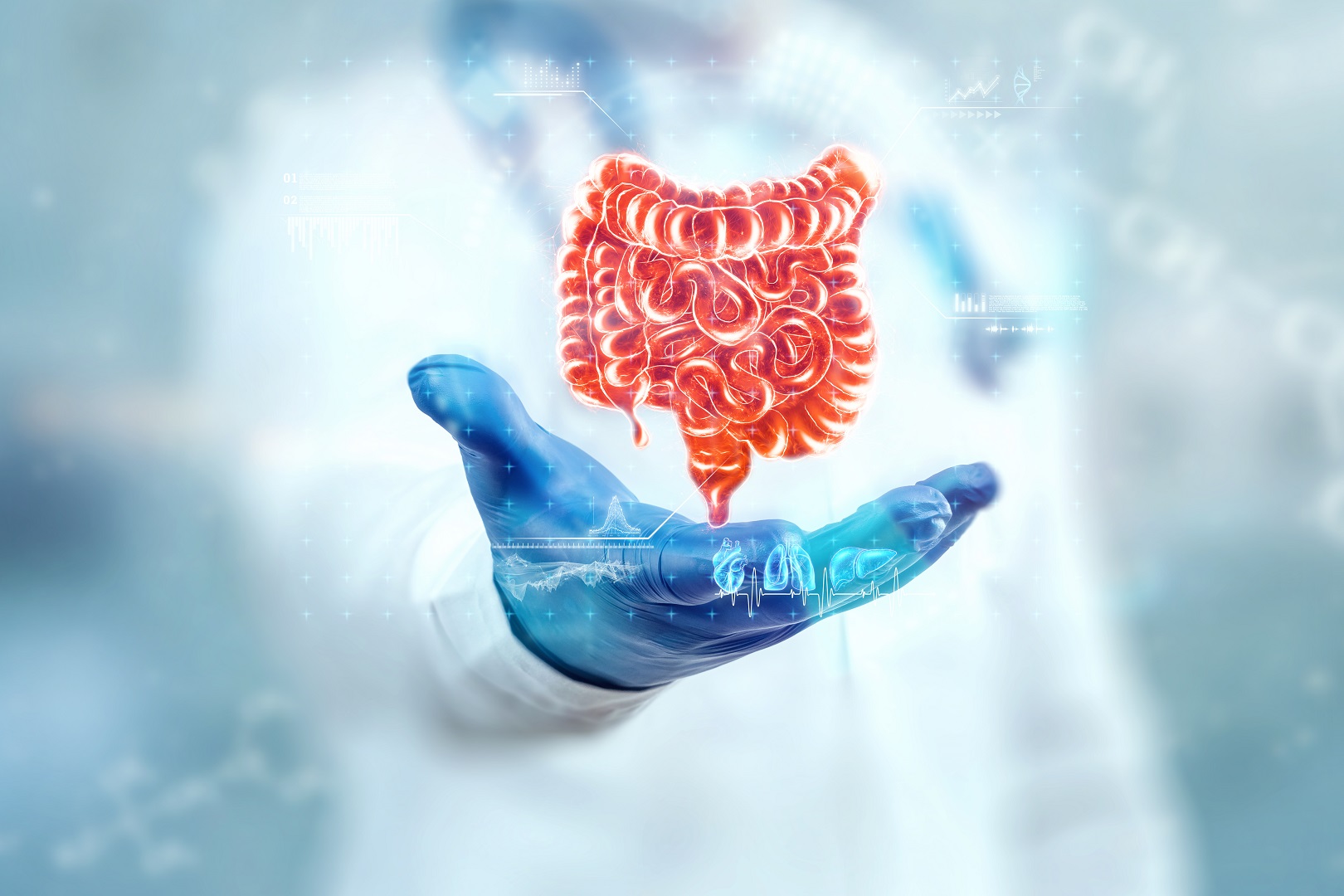
ERCP is used in the field of gastroenterology to diagnose and treat conditions related to the bile ducts, gallbladder, and pancreas.
Gastroenterology ERCP (Endoscopic Retrograde Cholangiopancreatography) encompasses various types and purposes of procedures, depending on the specific diagnostic or therapeutic needs of the patient.
Here are some common types of ERCP procedures within the field of gastroenterology:
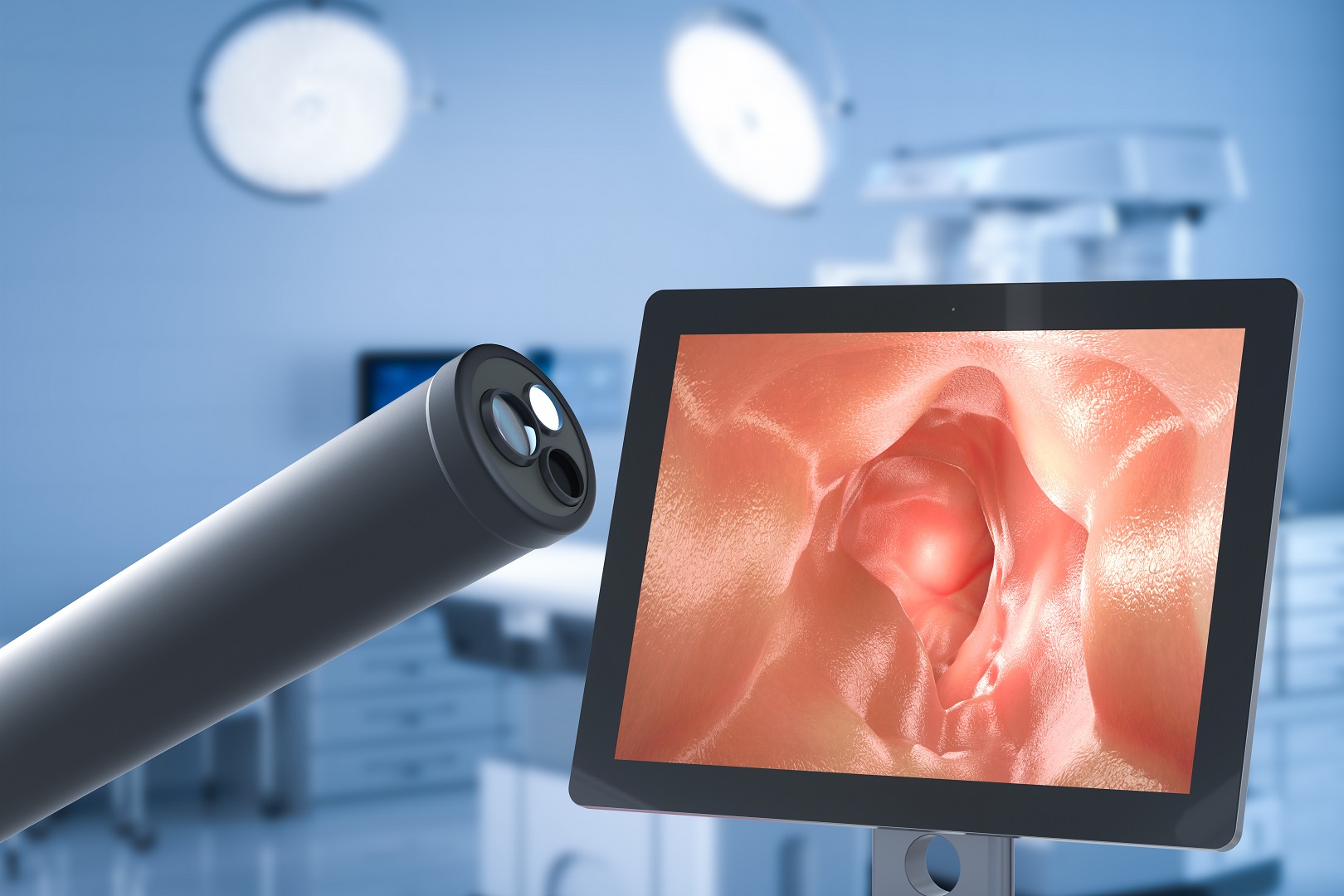
Here is an overview of the key steps involved in an ERCP:
Patient Preparation: The patient is usually asked to fast for a certain period before the procedure to ensure an empty stomach, which helps reduce the risk of aspiration during sedation.
Informed Consent: The patient is informed about the procedure, its risks, benefits, and alternatives. Informed consent is obtained before the ERCP.
Sedation: The patient is usually given intravenous (IV) sedation to induce a state of relaxation and drowsiness during the procedure. Some patients may receive general anesthesia, depending on their medical condition and the complexity of the procedure.
Positioning: The patient is typically positioned on their left side on an examination table.
Insertion of Endoscope: The endoscope, a thin, flexible tube with a light and camera on its tip, is passed through the mouth, down the esophagus, and into the stomach and duodenum. The endoscope allows the doctor to visualize the gastrointestinal tract.
Identification of Ampulla of Vater: The doctor identifies the ampulla of Vater, a small opening where the common bile duct and the pancreatic duct meet and empty into the duodenum.
Contrast Injection: A contrast dye is injected through the endoscope into the common bile duct and pancreatic duct. The contrast dye helps in visualizing these ducts on X-ray images.
X-ray Imaging: As the contrast dye flows through the bile ducts and pancreatic duct, X-ray images are captured. These images provide detailed information about the anatomy and any abnormalities within these ducts.
Diagnosis or Intervention: Depending on the findings from the X-ray images, the doctor may perform various procedures or interventions during the ERCP like, removal of gallstones from the common bile duct, placement of stents to open and maintain duct patency, balloon dilation to widen strictures or narrow areas, sphincterotomy, where the muscle at the entrance of the bile duct is cut to relieve pressure, biopsy of any suspicious tissue or lesions for further evaluation, drainage of blocked or infected ducts.
Completion and Recovery: Once the necessary procedures are completed, the endoscope is withdrawn, and the patient is allowed to recover. The patient may be observed for a period to monitor for any immediate complications.
Post-Procedure Care: After the procedure, the patient may be instructed to avoid eating or drinking for a period until the sedation wears off. The healthcare team will provide post-procedure instructions and discuss any potential side effects or complications to watch for.
ERCP is generally considered a safe and effective procedure for diagnosing and treating conditions related to the bile ducts and pancreas.
India has become a popular destination for Gastroenterology ERCP due to its world-class medical facilities, experienced surgeons, and lower costs compared to other countries. Indian hospitals have state-of-the-art technology and equipment and offer excellent healthcare services at an affordable price. Patients from around the world can benefit from the cost-effective and high-quality healthcare services offered in India.
Gomedi9 is a medical tourism company that specializes in helping patients plan and organize their medical travel to India. They provide a range of services to make the process of medical tourism hassle-free and convenient for patients.
Gomedi9 can help patients to choose the right hospital, book accommodation, arrange transportation, provide interpreters, and ensure that the patient receives the best possible medical treatment at an affordable price. They have a team of experienced professionals who guide patients throughout the process of medical tourism, from the initial consultation to post-operative care.
