

Welcome guest
Monday to Friday8AM - 9PM
AddressABC A-504, Rajnigandha Apartment, VADODARA-390007, GUJARAT, India.
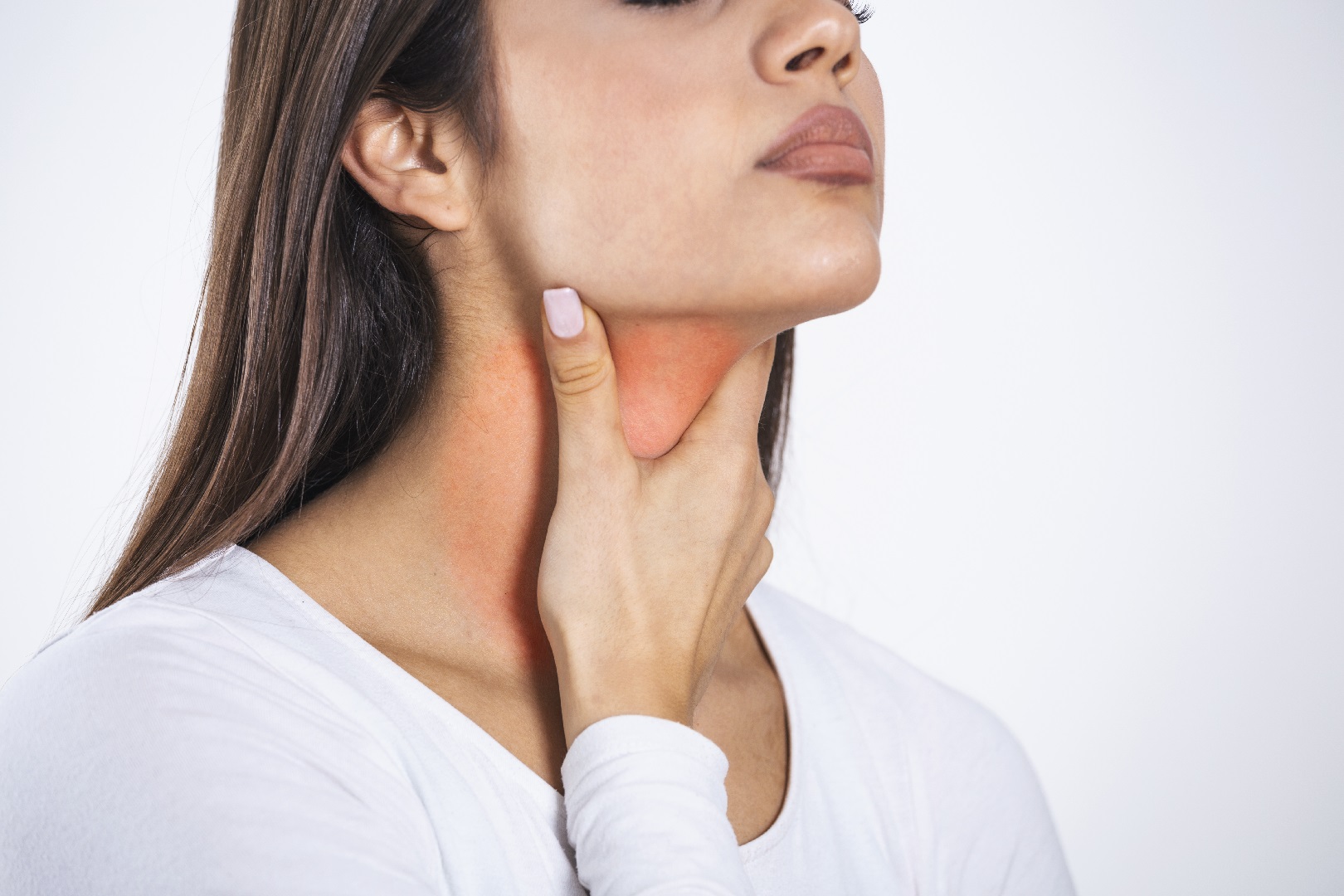
Goiter removal surgery is a surgical procedure performed to remove part or all of the thyroid gland in the neck.
A goiter is an abnormal enlargement of the thyroid gland, which can be caused by various conditions, including thyroid nodules, thyroid cancer, or thyroid dysfunction. The surgery is typically recommended when the goiter becomes large, causing difficulty in swallowing, breathing, or speaking, or when there are concerns about the presence of thyroid cancer.
The main types of goiter removal surgery include:
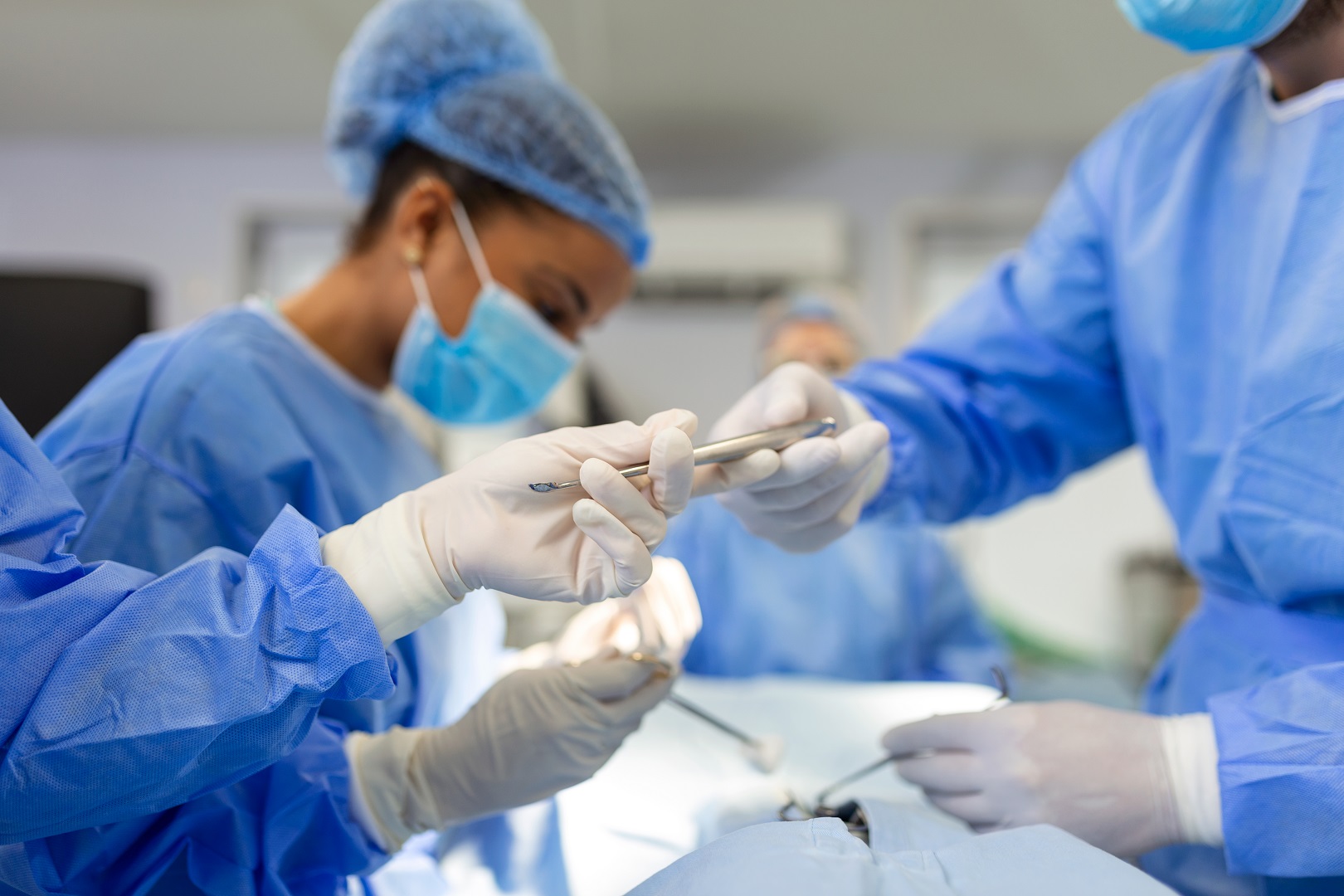
Following are the procedure steps:
Preoperative Preparation: Before the surgery, the patient will undergo a thorough preoperative evaluation, including blood tests, imaging studies, and a physical examination. This is to assess the size and condition of the goiter, as well as to ensure the patient is fit for surgery.
Anesthesia: The surgery is performed under general anesthesia, which means the patient will be unconscious and feel no pain during the procedure.
Incision: The surgeon makes a horizontal incision in the lower part of the neck, just above the collarbone. The size and location of the incision may vary depending on the case, but the goal is to provide access to the thyroid gland.
Dissection: The surgeon carefully dissects the tissue to expose the thyroid gland and surrounding structures. The thyroid gland consists of two lobes, connected by a bridge of tissue called the isthmus.
Lobe Identification and Isolation: If a partial thyroidectomy is planned, the surgeon identifies and isolates the affected lobe of the thyroid gland while leaving the unaffected lobe intact. In the case of a total thyroidectomy, both lobes are isolated.
Ligating Blood Vessels: The surgeon identifies and carefully ligates the blood vessels supplying the thyroid to minimize bleeding during the procedure.
Thyroid Gland Removal: The surgeon removes the identified portion of the thyroid gland, or in the case of a total thyroidectomy, the entire gland. The gland is carefully separated from surrounding structures, including the parathyroid glands, the recurrent laryngeal nerves, and the trachea.
Closure: After the thyroid tissue has been removed, the surgeon carefully inspects the surgical area to ensure there is no excessive bleeding. The incision is then closed with sutures, staples, or surgical glue.
Drain Placement (if needed): In some cases, a small drain may be placed in the surgical area to help remove any accumulated fluid and reduce the risk of hematoma or seroma.
Dressing and Recovery: The incision is covered with a sterile dressing, and the patient is taken to the recovery room. They will be monitored for any immediate postoperative complications.
India has become a popular destination for Goiter Removal Surgery due to its world-class medical facilities, experienced surgeons, and lower costs compared to other countries. Indian hospitals have state-of-the-art technology and equipment and offer excellent healthcare services at an affordable price. Patients from around the world can benefit from the cost-effective and high-quality healthcare services offered in India.
Gomedi9 is a medical tourism company that specializes in helping patients plan and organize their medical travel to India. They provide a range of services to make the process of medical tourism hassle-free and convenient for patients.
Gomedi9 can help patients to choose the right hospital, book accommodation, arrange transportation, provide interpreters, and ensure that the patient receives the best possible medical treatment at an affordable price. They have a team of experienced professionals who guide patients throughout the process of medical tourism, from the initial consultation to post-operative care.
