

Welcome guest
Monday to Friday8AM - 9PM
AddressABC A-504, Rajnigandha Apartment, VADODARA-390007, GUJARAT, India.
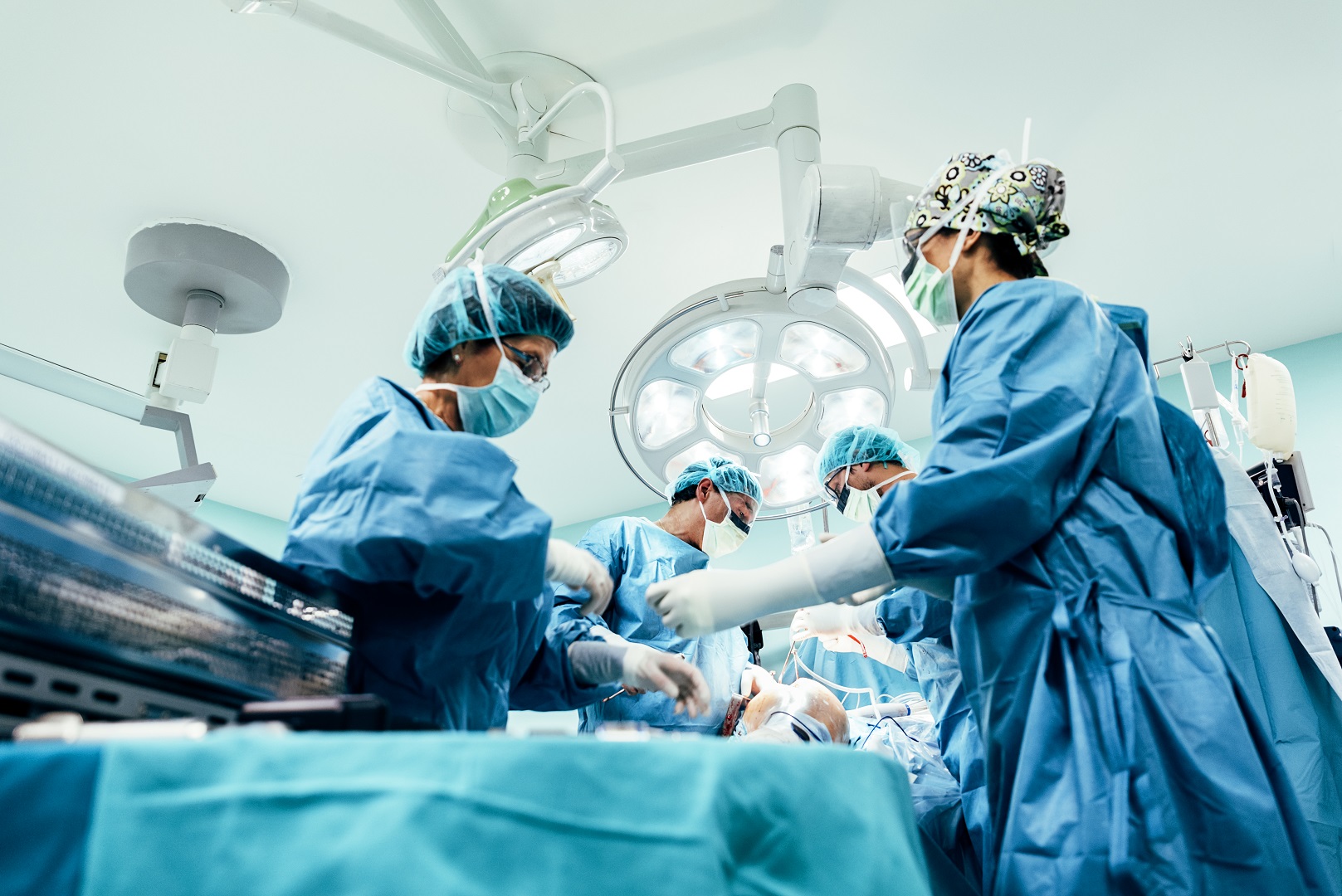
Cleft palate repair surgery is a medical procedure performed to correct a congenital condition known as a cleft palate.
A cleft palate is a birth defect in which there is an opening or gap in the roof of the mouth (palate) that may extend into the upper lip. This condition occurs early in pregnancy when the tissues of the baby's face and mouth do not fuse properly.
Here are some common types of cleft palate repair surgeries:

Here is a general overview of the steps involved in a typical cleft palate repair surgery:
Preoperative Assessment:
a. Medical Evaluation: The child undergoes a thorough medical examination to assess overall health and identify any potential risks. Blood tests and other diagnostic evaluations may be performed.
b. Anesthetic Evaluation: An anesthesiologist evaluates the child's suitability for anesthesia. Anesthesia options are discussed with the parents.
Surgical Procedure:
a. Patient Positioning: The child is positioned on the operating table, and general anesthesia is administered.
b. Incision and Tissue Preparation: The surgeon makes an incision on both sides of the cleft, often extending into the tissues of the soft palate. Tissues are prepared for repositioning and closure.
c. Tissue Mobilization: The surgeon mobilizes tissues from the surrounding areas to close the gap in the palate. Techniques may include the creation of flaps or use of tissues from adjacent areas.
d. Closure of the Palate: The surgeon carefully sutures the tissues together, reconstructing the palate and closing the cleft. Sutures may be absorbable or non-absorbable, and their placement is critical for proper healing.
e. Muscle Reconstruction: If the cleft involves the muscles of the soft palate, the surgeon may reconstruct and reposition these muscles to improve function.
f. Wound Closure: The incisions are closed with meticulous care to minimize scarring and promote optimal healing.
e. Postoperative Care: The child is closely monitored as they wake up from anesthesia. Pain management measures are implemented, and the child is observed for any signs of complications.
Postoperative Recovery:
a. Hospital Stay: The length of hospital stay varies but is typically brief, ranging from a day to a few days, depending on the specific procedure and the child's recovery.
b. Follow-Up Care: The child will have follow-up appointments with the surgical team to monitor healing and address any concerns. Parents receive instructions on postoperative care, including feeding and wound care.
c. Speech Therapy: Depending on the extent of the cleft and associated speech issues, the child may undergo speech therapy to support proper speech development.
India has become a popular destination for Cleft Palate Repair Surgery due to its world-class medical facilities, experienced surgeons, and lower costs compared to other countries. Indian hospitals have state-of-the-art technology and equipment and offer excellent healthcare services at an affordable price. Patients from around the world can benefit from the cost-effective and high-quality healthcare services offered in India.
Gomedi9 is a medical tourism company that specializes in helping patients plan and organize their medical travel to India. They provide a range of services to make the process of medical tourism hassle-free and convenient for patients.
Gomedi9 can help patients to choose the right hospital, book accommodation, arrange transportation, provide interpreters, and ensure that the patient receives the best possible medical treatment at an affordable price. They have a team of experienced professionals who guide patients throughout the process of medical tourism, from the initial consultation to post-operative care.
