

Welcome guest
Monday to Friday8AM - 9PM
AddressABC A-504, Rajnigandha Apartment, VADODARA-390007, GUJARAT, India.

Dialysis serves as an artificial replacement for kidney function by using a machine to filter the blood.
There are primarily two types of dialysis:
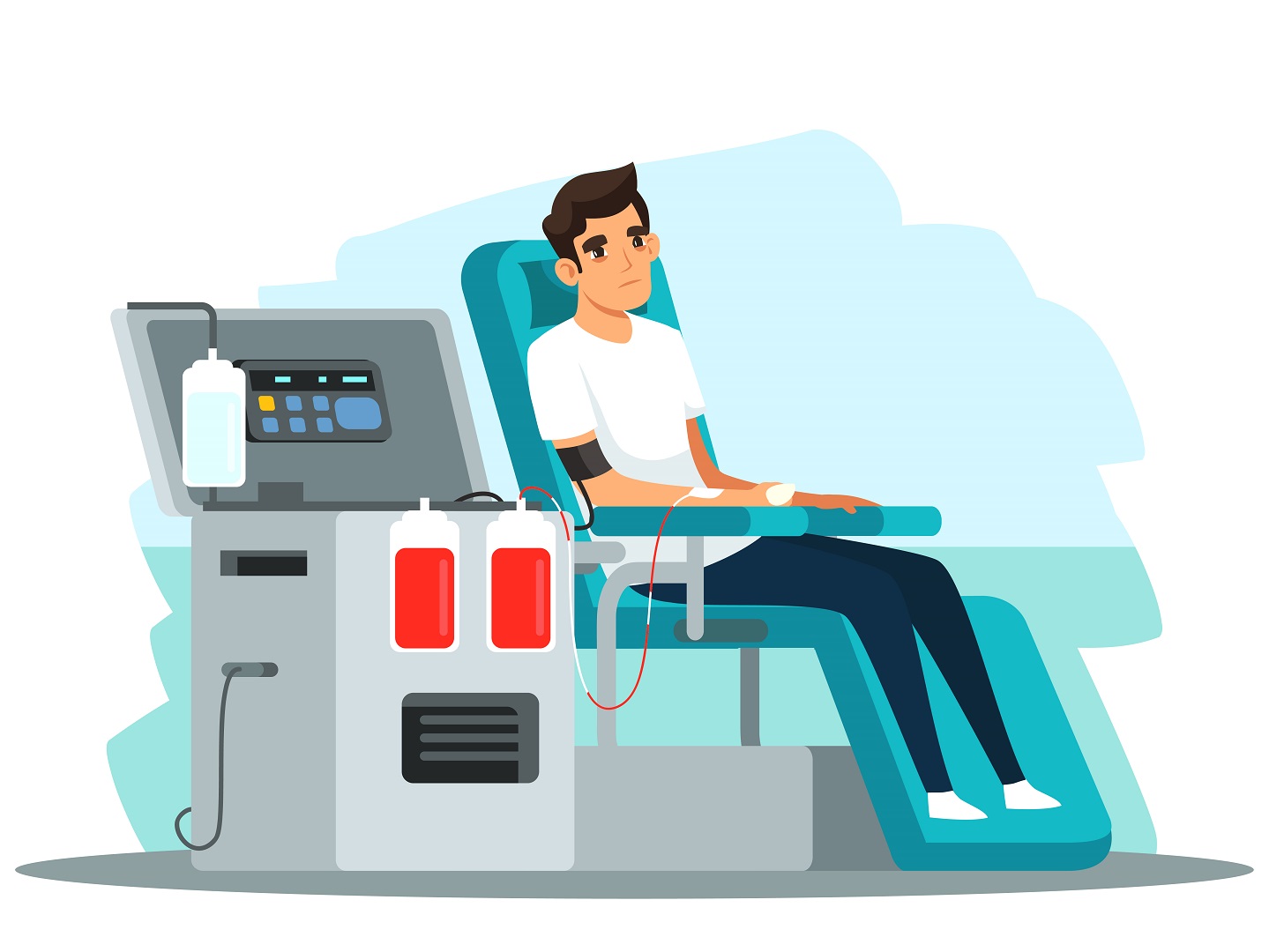
Following are the procedure steps:
Hemodialysis Procedure:
a .Vascular Access: The first step involves creating access to the bloodstream, usually by creating an arteriovenous (AV) fistula, using an AV graft, or inserting a central venous catheter. The access point allows blood to be withdrawn from the body and returned after filtration.
b. Preparation: The patient is seated in a reclining chair next to the hemodialysis machine. Blood pressure, pulse, and weight may be measured before the session.
c. Connection to the Dialysis Machine: The vascular access point is connected to the hemodialysis machine. Blood is pumped from the patient to the dialyzer, a component of the machine that acts as an artificial kidney.
d. Filtration Process: Inside the dialyzer, blood flows on one side of a semi-permeable membrane, while dialysate (a special fluid) flows on the other side. Waste products and excess fluids pass through the membrane and are removed by the dialysate.
e. Return of Purified Blood: The purified blood is then returned to the patient's body through the vascular access.
f. Monitoring: The patient's vital signs are monitored throughout the procedure. The duration of a hemodialysis session is typically a few hours.
g. Completion: Once the session is complete, the vascular access is disconnected, and the patient may leave the dialysis center.
Peritoneal Dialysis Procedure:
a. Catheter Insertion: A catheter is surgically implanted into the abdominal cavity, typically through the wall of the abdomen.
b. Filling the Peritoneal Cavity: The patient or a machine fills the peritoneal cavity with a prescribed amount of dialysate solution.
c. Dwell Time: The dialysate remains in the peritoneal cavity for a specified dwell time, during which it absorbs waste products and excess fluids from the blood vessels in the peritoneum.
d. Draining the Dialysate: After the dwell time, the used dialysate, now containing waste products, is drained from the peritoneal cavity into a drainage bag.
e. Refilling: The process is repeated with the introduction of fresh dialysate to continue the cycle.
f. Continuous Ambulatory Peritoneal Dialysis (CAPD): In CAPD, the patient performs manual exchanges throughout the day, and no machine is required.
g. Automated Peritoneal Dialysis (APD): APD involves using a machine to perform cycles of filling, dwelling, and draining the dialysate while the patient sleeps.
India has become a popular destination for Dialysis due to its world-class medical facilities, experienced surgeons, and lower costs compared to other countries. Indian hospitals have state-of-the-art technology and equipment and offer excellent healthcare services at an affordable price. Patients from around the world can benefit from the cost-effective and high-quality healthcare services offered in India.
Gomedi9 is a medical tourism company that specializes in helping patients plan and organize their medical travel to India. They provide a range of services to make the process of medical tourism hassle-free and convenient for patients.
Gomedi9 can help patients to choose the right hospital, book accommodation, arrange transportation, provide interpreters, and ensure that the patient receives the best possible medical treatment at an affordable price. They have a team of experienced professionals who guide patients throughout the process of medical tourism, from the initial consultation to post-operative care.
