

Welcome guest
Monday to Friday8AM - 9PM
AddressABC A-504, Rajnigandha Apartment, VADODARA-390007, GUJARAT, India.
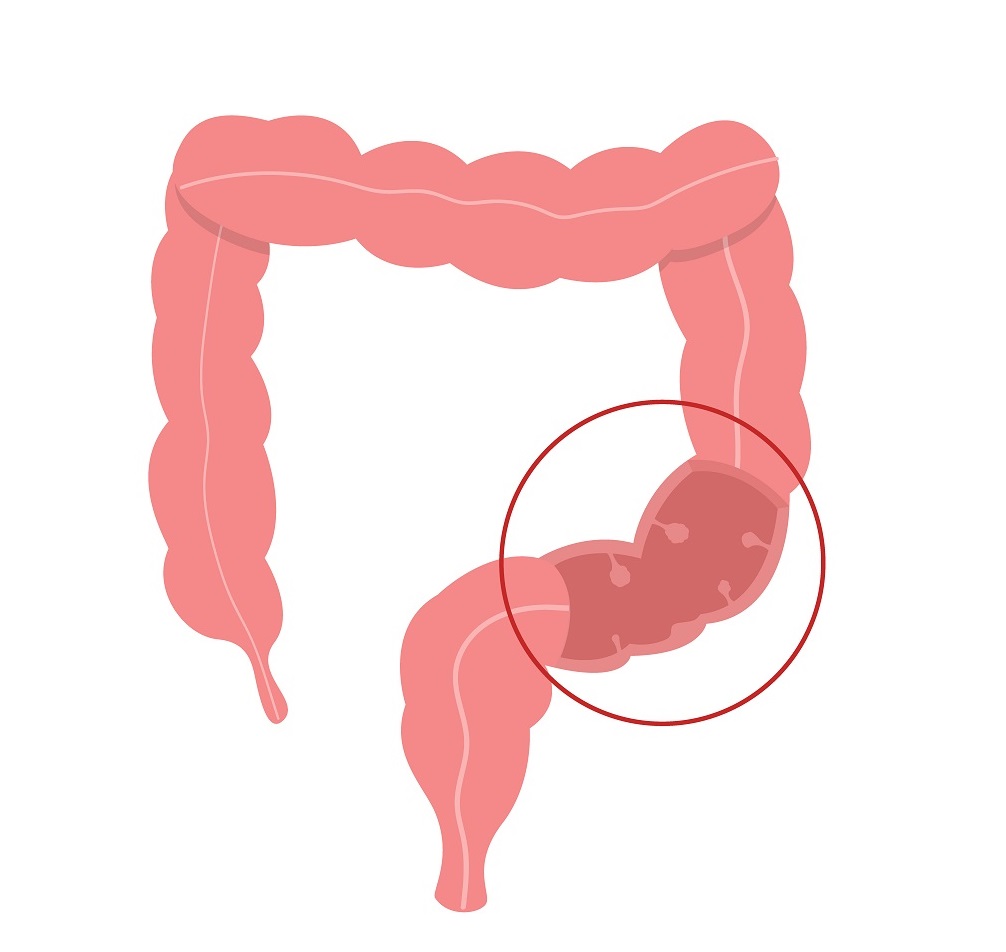
Polypectomy is a medical procedure used to remove polyps from the body.
A polyp is an abnormal growth of tissue that can occur in various parts of the body, including the colon, nasal passages, uterus, and other locations. Polyps can sometimes be benign, but they may also be precancerous or cancerous, so it's important to remove them for further examination and to prevent potential health risks.
Here are some common types of polypectomy:
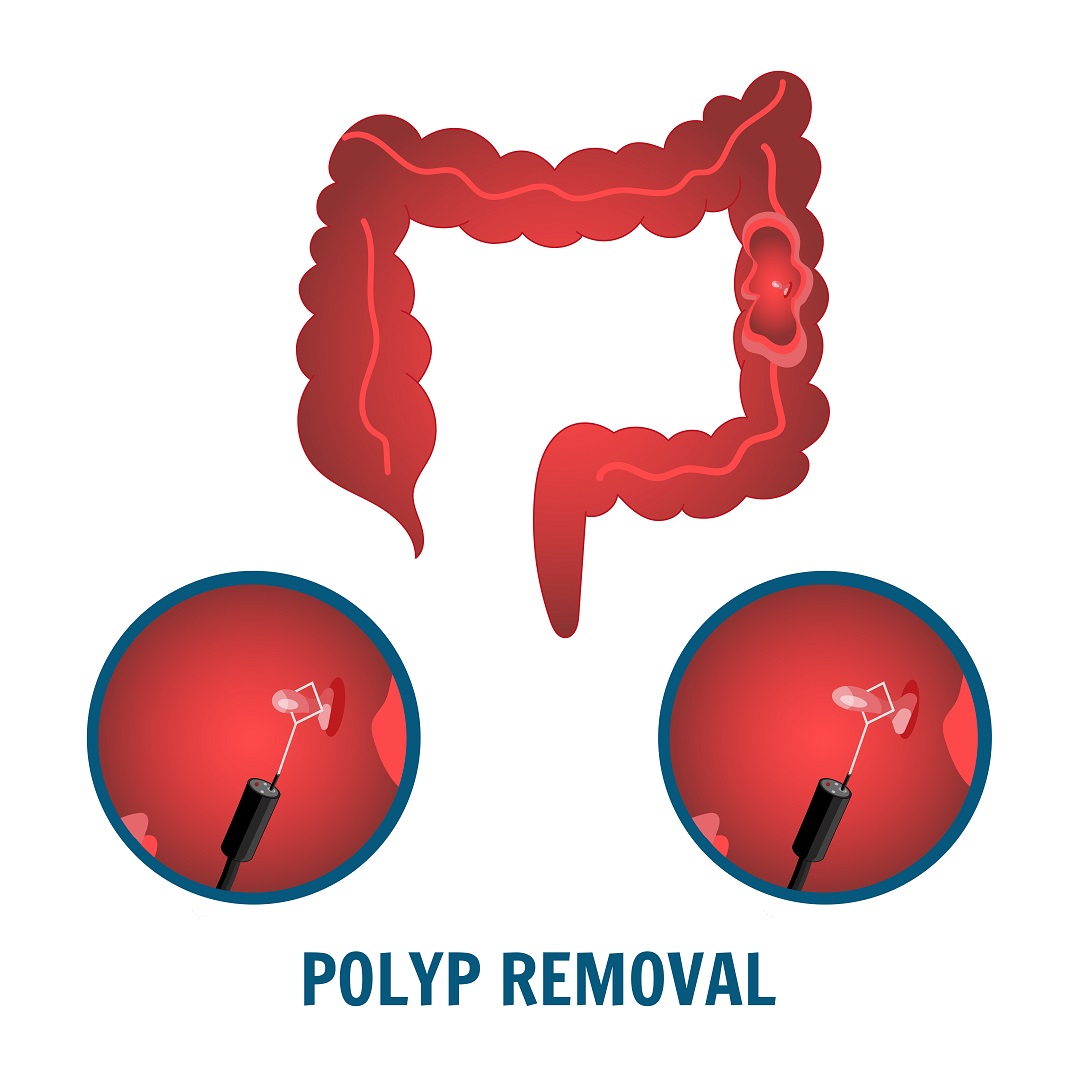
Following are the procedure steps:
Preparation
a. Pre-procedure Evaluation: Before the polypectomy, your healthcare provider will review your medical history and perform a physical examination.
b. Informed Consent: You will be informed about the procedure, its risks, and benefits, and you will be asked to provide informed consent.
c. Sedation: In many cases, you may be given sedation or anesthesia to help you relax and minimize discomfort during the procedure.
Endoscopy:
a. Insertion of Endoscope: An endoscope, a flexible tube with a camera at its tip, is inserted into the body through a natural opening or a small incision. The type of endoscope used depends on the location of the polyp (e.g., colonoscope for colon polyps).
b. Visualization: The camera on the endoscope allows the healthcare provider to visualize the polyp on a monitor.
Polyp Identification: The polyp is identified, and its characteristics are assessed. This includes its size, shape, and location.
Polyp Removal:
a. Snaring and Cutting: A wire loop or snare is passed through the endoscope, and the polyp is captured by the loop. An electrical current may be applied to cut or burn the polyp away from the surrounding tissue.
b. Excision: In some cases, the polyp may be removed by excision using specialized instruments like forceps or snares.
c. Hemostasis: If bleeding occurs during the polypectomy, the healthcare provider can use techniques to control bleeding, such as electrocautery or coagulation.
Retrieval and Pathological Examination:
a. The removed polyp is retrieved through the endoscope or removed via the natural opening through which the endoscope was inserted.
b. The excised polyp is sent for pathological examination to determine its type, whether it's benign, precancerous, or cancerous, and to assess any potential health implications.
Post-Polypectomy Care:
a. After the polypectomy, you may be monitored in a recovery area until the effects of sedation wear off.
b. You will receive instructions on post-procedure care, including dietary restrictions and activity limitations.
India has become a popular destination for Gastroenterology Polypectomy due to its world-class medical facilities, experienced surgeons, and lower costs compared to other countries. Indian hospitals have state-of-the-art technology and equipment and offer excellent healthcare services at an affordable price. Patients from around the world can benefit from the cost-effective and high-quality healthcare services offered in India.
Gomedi9 is a medical tourism company that specializes in helping patients plan and organize their medical travel to India. They provide a range of services to make the process of medical tourism hassle-free and convenient for patients.
Gomedi9 can help patients to choose the right hospital, book accommodation, arrange transportation, provide interpreters, and ensure that the patient receives the best possible medical treatment at an affordable price. They have a team of experienced professionals who guide patients throughout the process of medical tourism, from the initial consultation to post-operative care.
