

Welcome guest
Monday to Friday8AM - 9PM
AddressABC A-504, Rajnigandha Apartment, VADODARA-390007, GUJARAT, India.
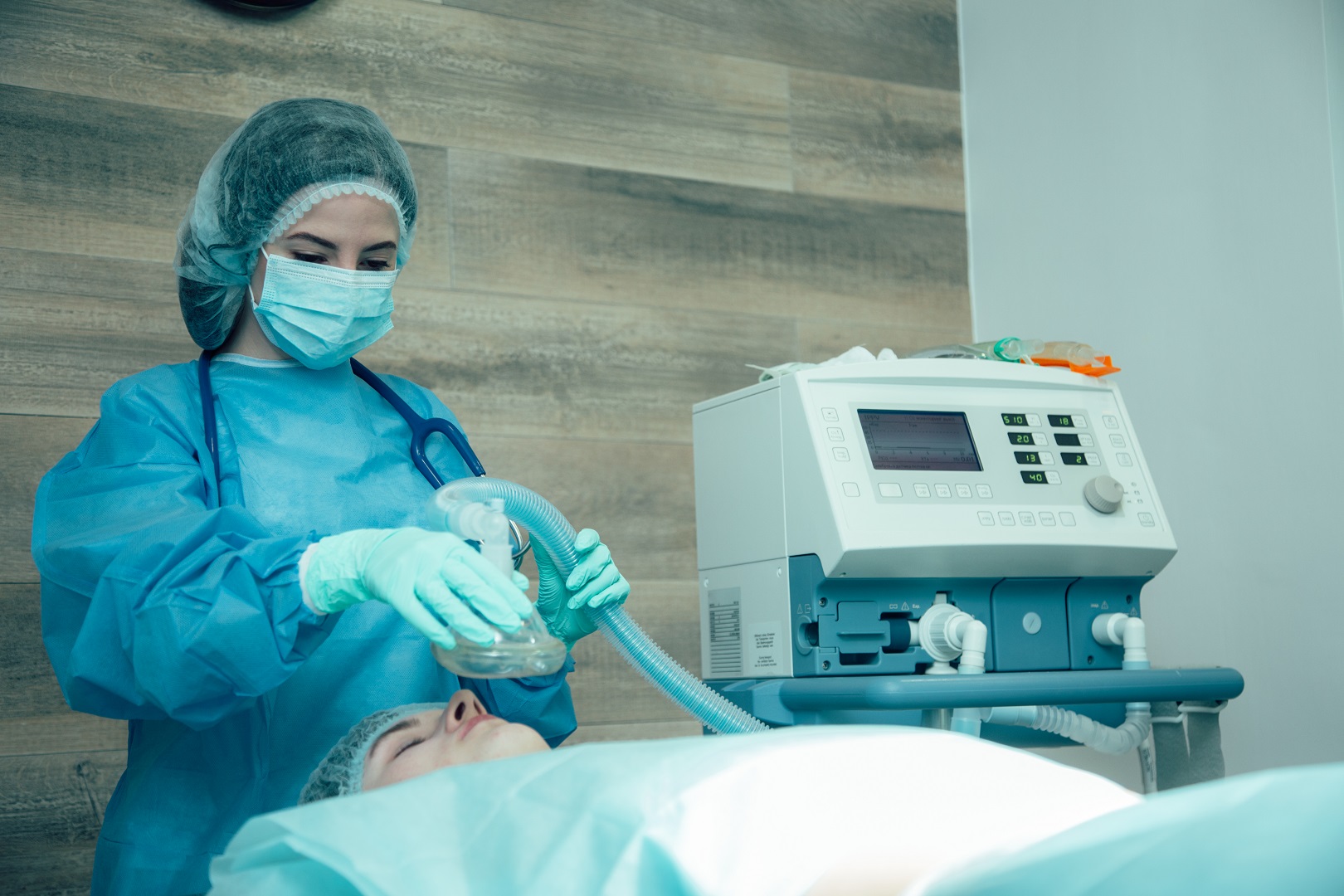
Anesthesia refers to a medical practice that involves inducing a state of temporary loss of sensation or awareness in an individual, typically for the purpose of performing a medical procedure.
The aim of anesthesia is to eliminate pain and discomfort during surgical or medical interventions, allowing patients to undergo procedures without experiencing pain or distress.
There are several types of anesthesia:

Here's a general overview of the anesthesia procedure:
Pre-anesthetic Assessment:
a. Patient Evaluation: The anesthesiologist conducts a thorough pre-anesthetic assessment, reviewing the patient's medical history, current health status, and any relevant lab test results.
b. Discussion with the Patient: The anesthesiologist discusses the type of anesthesia to be used, potential risks, and answers any questions the patient may have.
Pre-operative Preparation:
a. Fasting: Depending on the type of anesthesia, patients may be required to fast for a specified period before the procedure to reduce the risk of aspiration (inhaling stomach contents).
b. Medication Adjustment: The anesthesiologist may adjust the patient's regular medications in the lead-up to the procedure.
Intraoperative Care:
General Anesthesia:
a. Induction: The anesthesiologist administers medications to induce unconsciousness. This is often done through intravenous injection or inhaled anesthetics.
b. Maintenance: Anesthesia is maintained throughout the procedure using a combination of intravenous drugs and inhaled anesthetics.
Regional Anesthesia:
a. Administration: The anesthesiologist administers the regional anesthetic (e.g., epidural or spinal) with the patient either sitting or lying in a specific position.
b. Monitoring: Continuous monitoring of vital signs is performed throughout the procedure.
Local Anesthesia: Administration: Local anesthetics are injected or applied topically to the specific area where the procedure will be performed.
Monitoring:
a. Vital Signs: Continuous monitoring of vital signs, including heart rate, blood pressure, oxygen saturation, and respiratory rate, is crucial during the entire procedure.
b. Anesthetic Depth: Anesthesiologists monitor the depth of anesthesia to ensure the patient remains appropriately sedated or unconscious.
Postoperative Care:
a. Emergence: For general anesthesia, the patient is carefully brought out of anesthesia as the procedure concludes.
b. Recovery: Patients are transferred to the recovery area where they are monitored as they wake up from anesthesia.
c. Pain Management: The anesthesiologist may provide postoperative pain management, which can include medications or regional techniques.
Post-anesthetic Evaluation:
a. Assessment: The patient's condition is closely monitored postoperatively to ensure a smooth recovery.
b. Handover: If applicable, the anesthesiologist communicates relevant information to the post-anesthesia care team or nursing staff.
India has become a popular destination for Anesthesia due to its world-class medical facilities, experienced surgeons, and lower costs compared to other countries. Indian hospitals have state-of-the-art technology and equipment and offer excellent healthcare services at an affordable price. Patients from around the world can benefit from the cost-effective and high-quality healthcare services offered in India.
Gomedi9 is a medical tourism company that specializes in helping patients plan and organize their medical travel to India. They provide a range of services to make the process of medical tourism hassle-free and convenient for patients.
Gomedi9 can help patients to choose the right hospital, book accommodation, arrange transportation, provide interpreters, and ensure that the patient receives the best possible medical treatment at an affordable price. They have a team of experienced professionals who guide patients throughout the process of medical tourism, from the initial consultation to post-operative care.
