

Welcome guest
Monday to Friday8AM - 9PM
AddressABC A-504, Rajnigandha Apartment, VADODARA-390007, GUJARAT, India.

Urinary incontinence is a medical condition characterized by the involuntary loss of urine.
Urinary incontinence can be caused by various factors, including aging, childbirth, obesity, neurological disorders, urinary tract infections, and certain medications. Treatment options depend on the underlying cause and may include lifestyle changes, pelvic floor exercises, medications, or surgical interventions.
The main types include:
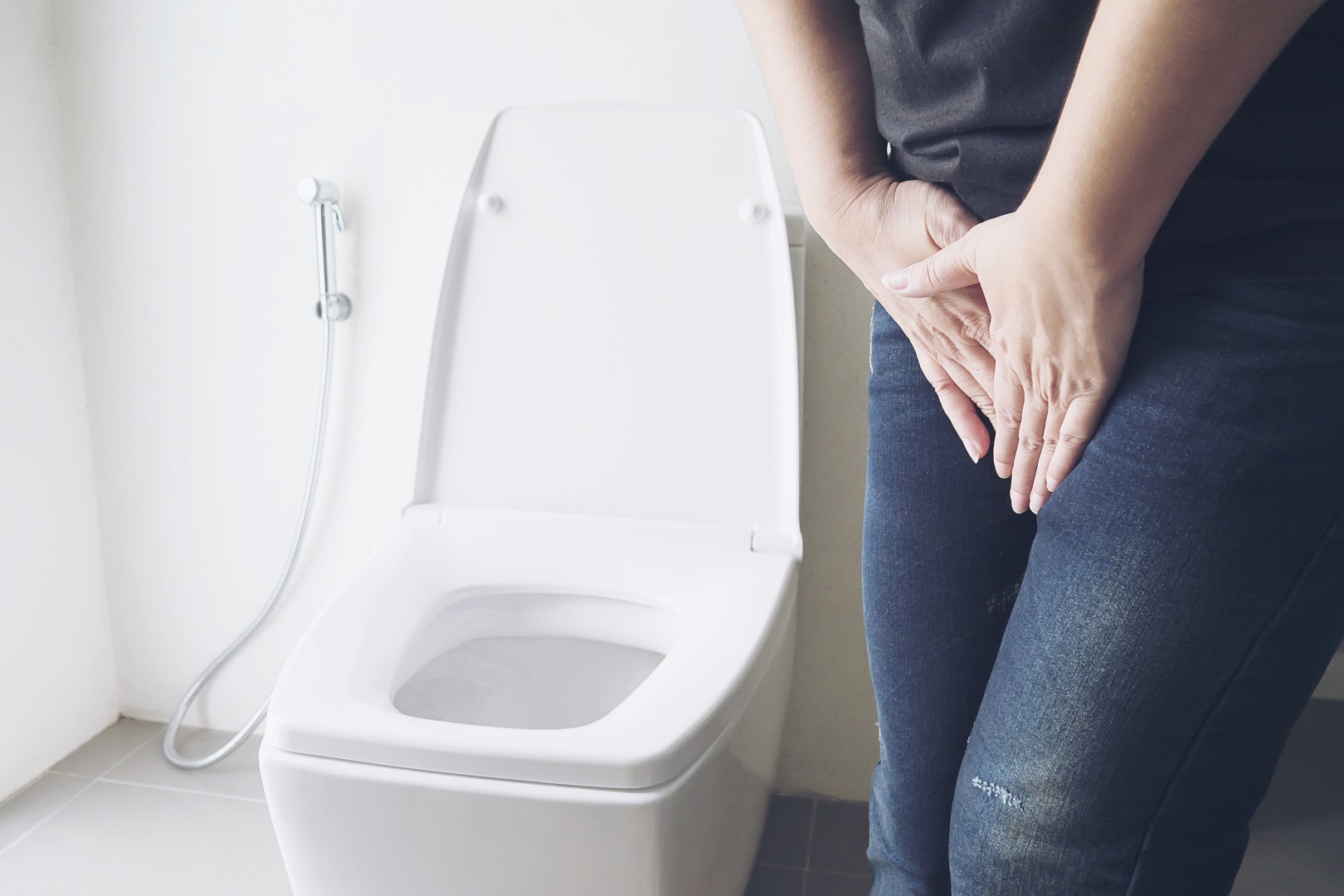
Here are general approaches and procedures commonly used for urinary incontinence:
Lifestyle Modifications:
a. Behavioral Techniques: This includes bladder training, scheduled voiding, and prompted voiding to help improve bladder control.
b. Weight Management: For individuals with obesity, losing weight can alleviate stress on the pelvic floor and reduce stress incontinence.
Pelvic Floor Exercises (Kegel Exercises):
Description: Strengthening the pelvic floor muscles can improve bladder control.
Procedure: Contracting and relaxing the pelvic floor muscles in a controlled manner. These exercises can be done regularly at home.
Bladder Training:
Description: Gradually increasing the time between bathroom visits to train the bladder to hold larger amounts of urine.
Procedure: Scheduled voiding and delaying urination when the urge arises.
Medications: Prescription Drugs: Depending on the type of incontinence, medications may be prescribed to relax the bladder, reduce bladder spasms, or improve bladder function.
Medical Devices:
a. Pessary: A device inserted into the vagina to support the bladder and reduce stress incontinence in women.
b. Urethral Inserts: Small devices placed into the urethra before activities that may trigger stress incontinence.
Surgery:
a. Sling Procedure: A surgical procedure to support the urethra and reduce stress incontinence.
b. Bladder Neck Suspension: Surgical technique to provide support to the urethra and bladder neck.
Nerve Stimulation: Sacral Nerve Stimulation (SNS): Involves the implantation of a device that sends electrical impulses to the sacral nerves, which control bladder function.
Botox Injections: Description: Botulinum toxin injections into the bladder muscle to relax the muscles and reduce urge incontinence.
Biofeedback: Procedure: Using electronic monitoring to provide feedback on muscle activity, helping individuals gain better control over pelvic floor muscles.
Treatment of Underlying Conditions: Addressing Contributing Factors: Treating infections, managing constipation, or addressing other underlying health issues that may contribute to incontinence.
India has become a popular destination for Urology Urinary Incontinence due to its world-class medical facilities, experienced surgeons, and lower costs compared to other countries. Indian hospitals have state-of-the-art technology and equipment and offer excellent healthcare services at an affordable price. Patients from around the world can benefit from the cost-effective and high-quality healthcare services offered in India.
Gomedi9 is a medical tourism company that specializes in helping patients plan and organize their medical travel to India. They provide a range of services to make the process of medical tourism hassle-free and convenient for patients.
Gomedi9 can help patients to choose the right hospital, book accommodation, arrange transportation, provide interpreters, and ensure that the patient receives the best possible medical treatment at an affordable price. They have a team of experienced professionals who guide patients throughout the process of medical tourism, from the initial consultation to post-operative care.
