

Welcome guest
Monday to Friday8AM - 9PM
AddressABC A-504, Rajnigandha Apartment, VADODARA-390007, GUJARAT, India.

Fertility refers to the natural capacity or ability of an organism, individual, or population to produce offspring or seeds.
Fertility is often measured by fertility rates, which indicate the average number of children born to a woman or a population during their reproductive years. These rates are important demographic indicators and play a crucial role in understanding population dynamics, family planning, and the overall health of a society.
Here are a few common types of fertility:
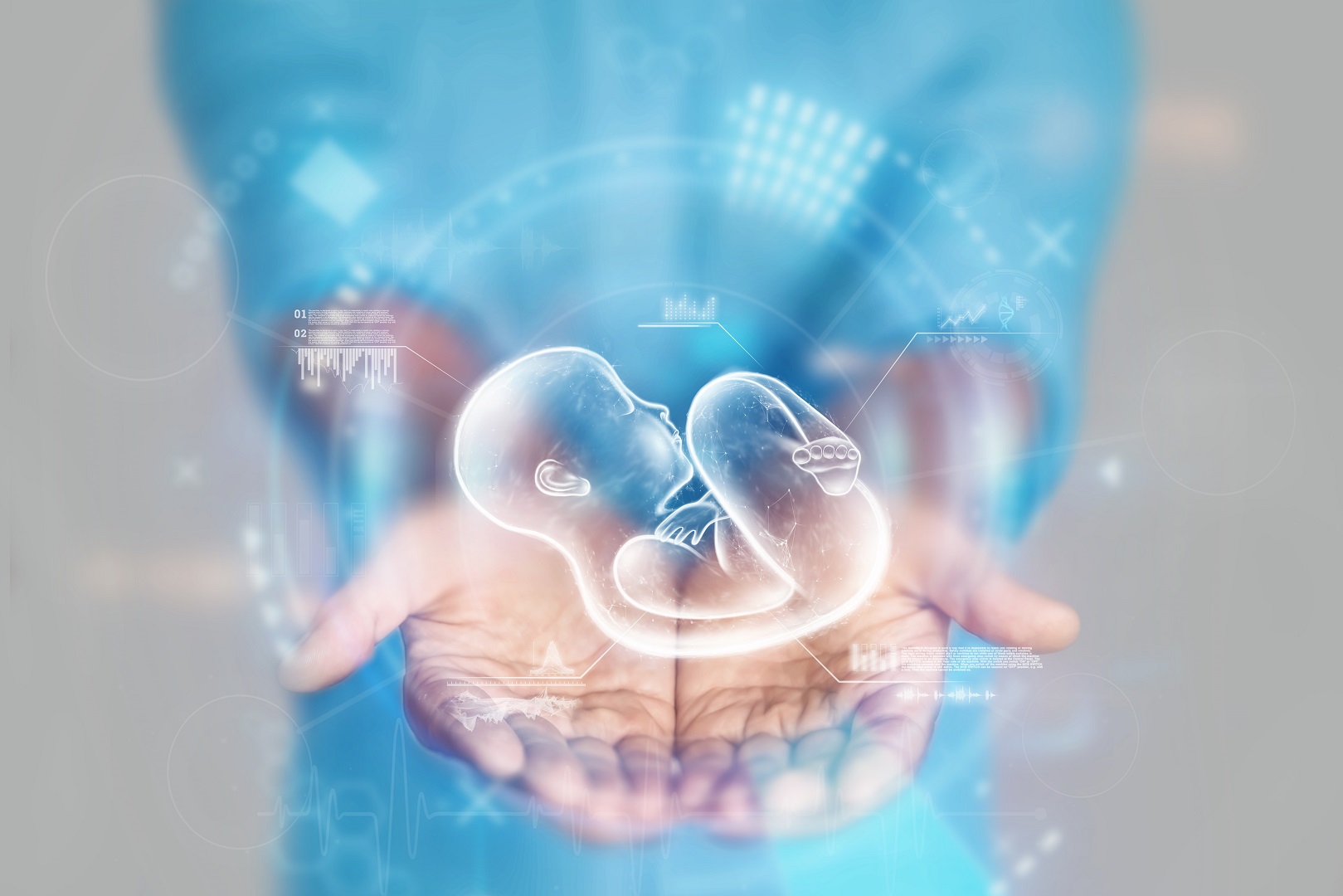
Here is a general overview of some common procedures and treatments associated with fertility:
Medical Evaluation: Individuals or couples experiencing fertility issues typically begin with a medical evaluation. This involves a thorough examination of both partners to identify potential factors affecting fertility.
Fertility Counseling: Couples may seek counseling to address emotional and psychological aspects of fertility challenges. This can help them cope with stress and make informed decisions about treatment options.
Lifestyle Changes: Adopting a healthy lifestyle can positively impact fertility. This may include maintaining a balanced diet, regular exercise, avoiding excessive alcohol and tobacco use, and managing stress.
Fertility Medications: Fertility drugs may be prescribed to stimulate ovulation in women or improve sperm production in men. These medications are often a first-line treatment for certain types of infertility.
Intrauterine Insemination (IUI): IUI involves placing specially prepared sperm directly into the woman's uterus during her fertile window to increase the chances of fertilization.
In Vitro Fertilization (IVF): IVF is a more complex fertility treatment where eggs and sperm are combined outside the body in a laboratory. The resulting embryos are then implanted into the woman's uterus.
Intracytoplasmic Sperm Injection (ICSI): ICSI is often used in conjunction with IVF. It involves injecting a single sperm directly into an egg to facilitate fertilization in cases of male infertility or other challenges.
Egg or Sperm Donation: In cases where one partner has fertility issues, using donated eggs or sperm may be an option. This involves fertilizing the egg with donor sperm or vice versa.
Surrogacy: Surrogacy involves a third-party (the surrogate) carrying and delivering a baby for a couple. This may be an option for individuals or couples who are unable to carry a pregnancy to term.
Adoption: For some individuals or couples, adoption is chosen as an alternative to biological parenthood.
India has become a popular destination for Fertility due to its world-class medical facilities, experienced surgeons, and lower costs compared to other countries. Indian hospitals have state-of-the-art technology and equipment and offer excellent healthcare services at an affordable price. Patients from around the world can benefit from the cost-effective and high-quality healthcare services offered in India.
Gomedi9 is a medical tourism company that specializes in helping patients plan and organize their medical travel to India. They provide a range of services to make the process of medical tourism hassle-free and convenient for patients.
Gomedi9 can help patients to choose the right hospital, book accommodation, arrange transportation, provide interpreters, and ensure that the patient receives the best possible medical treatment at an affordable price. They have a team of experienced professionals who guide patients throughout the process of medical tourism, from the initial consultation to post-operative care.
